How to Choose an Ethical Amazon Tour Operator
Two trips can carry the same price, the same length and the same photographs, and still be completely different products. The difference usually shows up in how the operator treats animals and people, and you can spot it before you pay.
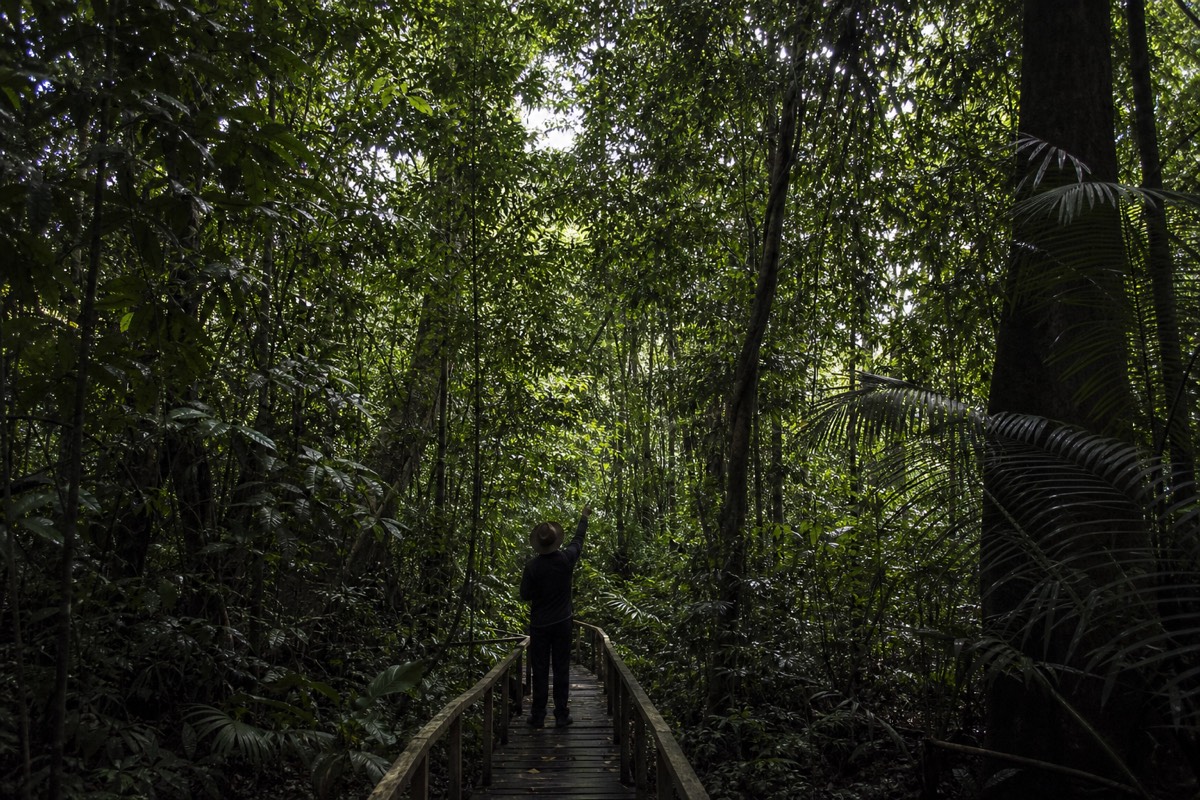
For a paid experience alongside this guide, explore the Yanayacu-Pucate by boat, with forest walks, birdwatching and night excursions. Camp accommodation, meals and reserve entry included. Explore Pacaya-Samiria: 4 days / 3 nights
Pricing note: figures in the original guide are illustrative historical examples, not current quotes. No independent wildlife sighting percentages or safety/welfare certification are verified. Use the dated provider options below to compare current details.
Read enough traveller reports about the Amazon and a pattern shows up fast. The complaints are rarely about the food or the boat. They are about a sloth passed around a circle of tourists, an anaconda produced from a sack at a riverside stop, or a village visit that felt less like a welcome than a viewing.
None of that is inevitable. Plenty of operators around Iquitos run trips where the wildlife stays wild and the community stop is an actual exchange. The problem is that the brochures look identical, so the sorting has to happen on your side, before the deposit clears.
The single most useful filter: any operator that promises you will hold, touch or pose with a wild animal has told you what kind of company it is. Genuine habitat observation cannot be guaranteed, and honest operators say so. Add small group sizes, a trained local naturalist guide and a community visit described as an exchange rather than an attraction, and you have covered most of the risk.
Booking choice: Pacaya-Samiria: 4 days / 3 nights. Explore the Yanayacu-Pucate by boat, with forest walks, birdwatching and night excursions. Camp accommodation, meals and reserve entry included.
Discover Pacaya-Samiria: 4 days / 3 nightsWhat separates an ethical operator from a well-marketed one?
Ethical operators sell conditions, not outcomes. They promise good guides, small groups, the right hours on the water and access to real habitat, then tell you honestly that wildlife decides the rest. Marketing-led operators sell guaranteed encounters, which in the Amazon almost always means an animal is being handled, baited or held.
That distinction is easy to test. Open the itinerary and count the promises. Phrases like "see monkeys, sloths and anacondas up close" attached to a four-hour trip are not describing luck. Wild sloths sleep high in the canopy; you watch them through binoculars, not at arm's length. When a short tour guarantees close contact, something is supplying the animals.
Compare that to how honest wildlife odds read. No independently measured sighting rate is verified for this guide; encounters depend on the route, conditions and wild animals. Those numbers have gaps, and a truthful operator lets them show.
Which wildlife practices should rule an operator out?
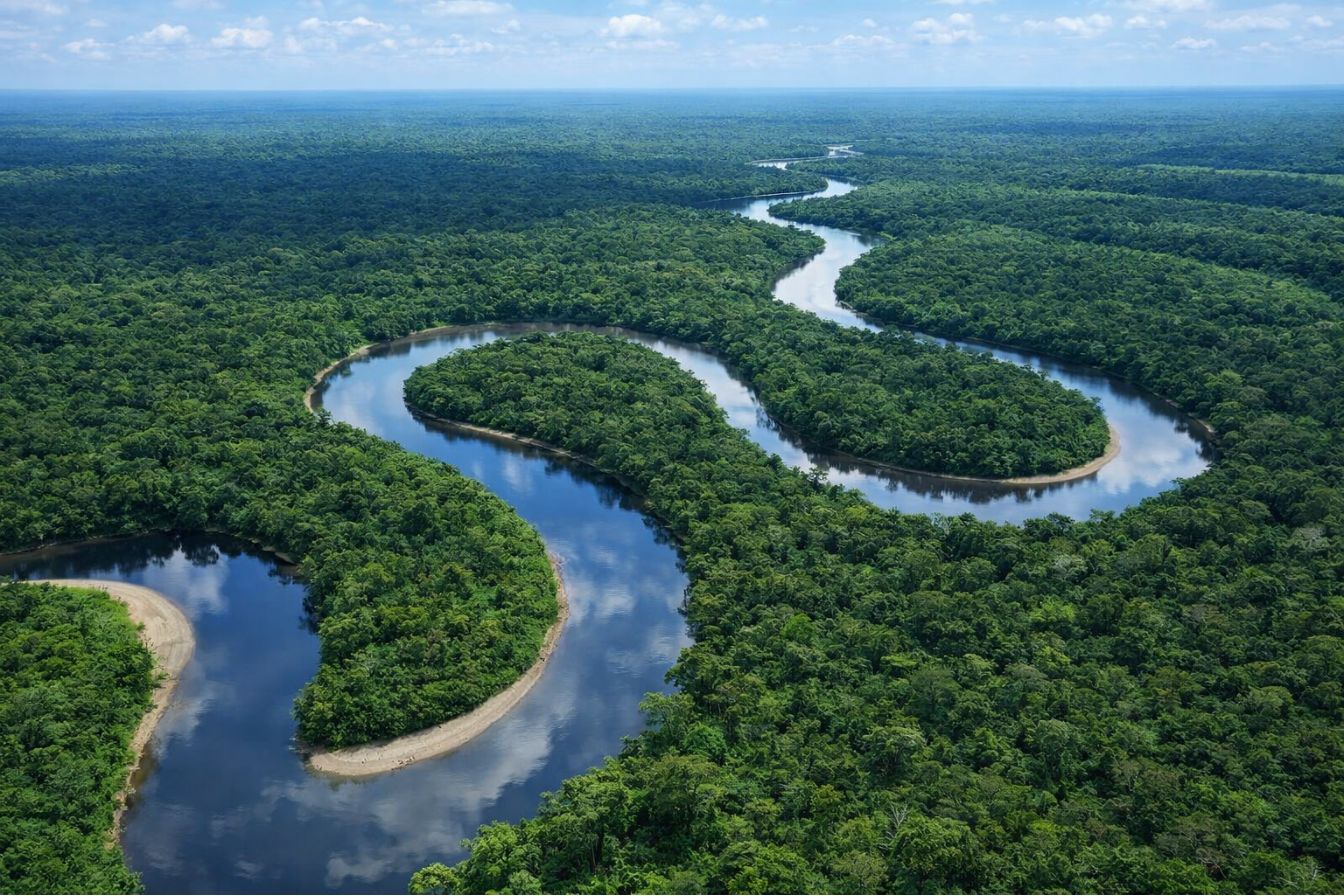
Rule out anyone offering held or handled animals, baited encounters, captive animals kept for photos, or a guaranteed touch. These practices stress the animal, teach wild populations to approach humans, and in some cases involve animals taken from the forest specifically to be shown to tourists.
| Practice | Why it fails | What good looks like instead |
|---|---|---|
| Holding a sloth, monkey or anaconda for photos | Handling stresses the animal and the animal is usually captive or restrained | Spotting scopes, binoculars and a guide who finds the animal where it lives |
| Feeding or baiting wildlife to bring it close | Alters natural foraging and habituates animals to boats and people | Waiting quietly at known feeding sites and clay licks at the right hour |
| Any guarantee of physical contact | A wild animal cannot consent to a schedule | Honest probability language, including the chance of seeing nothing |
| Caged or tethered animals at a lodge or stop | Captivity dressed as a rescue or an attraction | No animals held on site, referrals to accredited rehabilitation instead |
| Chasing pods or troops with the engine | Splits groups, separates young, cuts encounter quality | Engine cut, drifting, letting animals set the distance |
The same logic runs through the river encounters people ask about most often, which is why the question of whether swimming with the pink dolphins is ethical comes down to the identical test: did the animal choose this, and can it leave?
What does a genuine community visit look like?
A genuine visit is arranged with the community, pays them directly, happens on their schedule, and includes an explicit brief about photography. A staged one drops a boatload of visitors into a village for twenty minutes of dancing and craft-selling, with no relationship behind it and no clear money reaching the people involved.
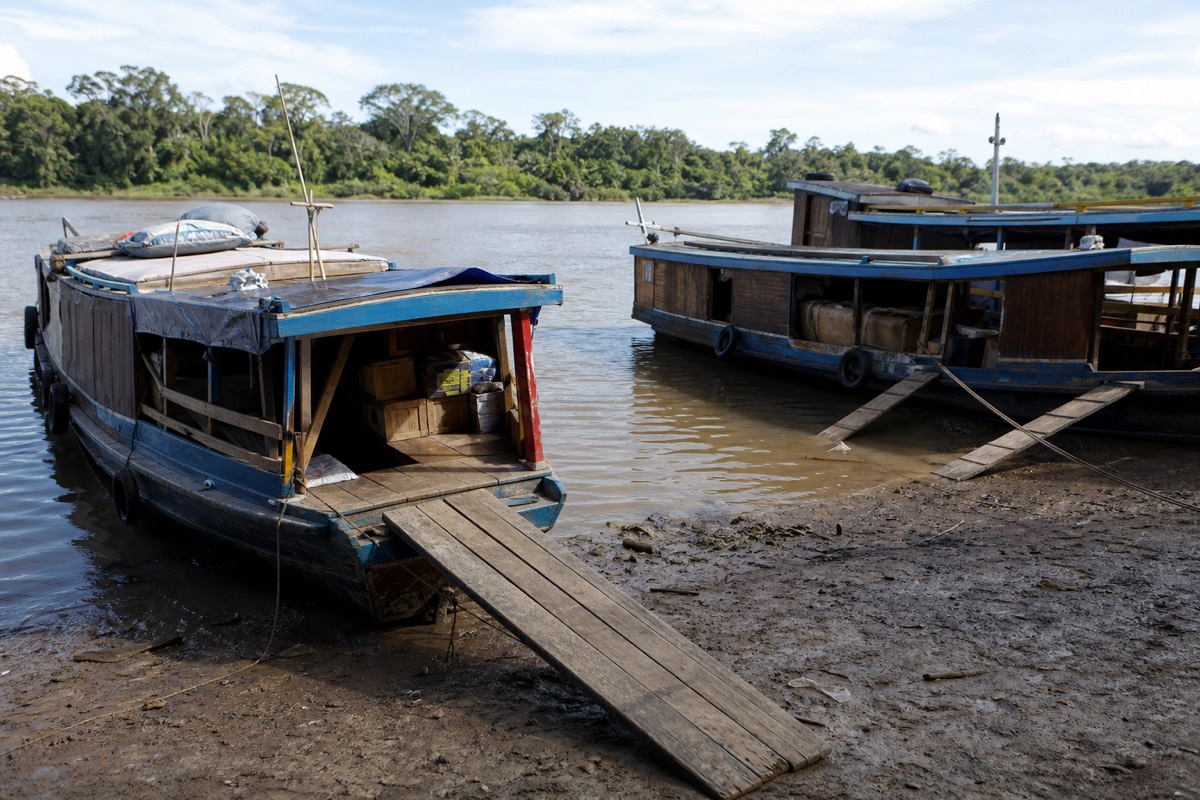
You can usually tell from the wording. An itinerary that describes "a visit to a native tribe" and treats the community as scenery is a different proposition from one that names what happens: a shared meal, a walk explaining medicinal plants, a demonstration of fishing or weaving with time to ask questions.
Ask two questions before booking a trip with a village stop: how is the community compensated, and are photographs asked for rather than assumed. Operators with real relationships answer both immediately. A guided walk through Belén Market is a good alternative, showing river life without anyone on display.
Why do group size and guide quality matter more than an eco label?
There is no single certification governing jungle tourism out of Iquitos, so labels vary in meaning. Group size and guide training are the two variables that reliably change your trip: small groups stay quiet enough to see animals, and a trained local naturalist knows the specific trees, clay licks and channels where wildlife actually is.
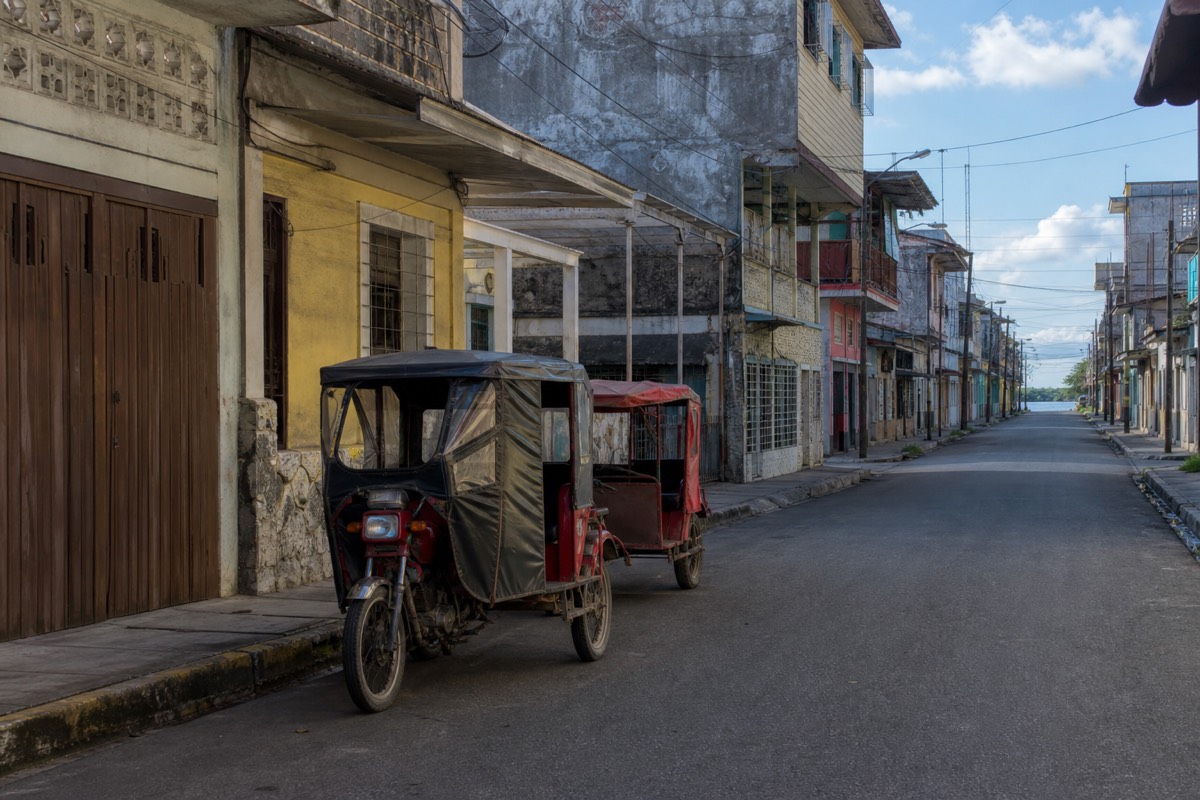
Six people in a boat can drift silently past a caiman. Twenty cannot. Group size is also the difference between a guide who answers questions and one managing a crowd. Most reputable Iquitos operators run 6 to 12 people.
Guide quality compounds over a longer trip. Someone who grew up on these rivers hears a howler troop before you see it and knows which oxbow lake the giant otters worked last week. A good guide also has more to show you on day four than on day one, which is why how many days you need in the Iquitos Amazon is worth settling alongside your operator shortlist.
Where a trip enters protected territory such as the Pacaya-Samiria National Reserve, entry is administered by SERNANP, the official reserve authority. Operators there run under permits with registered guides, a layer of accountability unregistered day operators do not have.
How does a public review history work as accountability?
A long public review record is not an ethics certificate, but it is hard to fake and hard to hide. Hundreds of reviews with photographs make it very difficult to run staged animal encounters quietly, because past travellers post exactly what happened, including the parts the operator would rather not show.
The tours listed on this site come from established operators selling through the large booking platforms, each carrying a public, cumulative review history: ratings between 4.3 and 5 stars, and booking counts from roughly 270 to nearly 1,000 per product. That is a form of accountability, and worth being precise about. It shows a consistent delivery record and a traceable operator. It is not an independent audit of animal welfare, and this site does not claim to have run one.
Read reviews for specifics rather than sentiment: photographs of people holding animals tell you more than a five-star rating ever will.
What should you ask before you pay?
Five questions cover most of the risk: how many people are in the group, is the guide a local naturalist, are any animals handled or fed, how is the community stop arranged and paid, and what happens if weather cancels an excursion. Direct answers are a good sign in themselves.
| Question | Answer you want | Warning sign |
|---|---|---|
| How large is the group? | A specific number, usually 6 to 12 | "It depends" with no cap |
| Do you ever handle or feed wildlife? | A flat no, with an explanation of policy | Enthusiasm, or a photo gallery answering for them |
| Who guides, and what is their background? | A named local naturalist with years on these rivers | No information until arrival |
| How does the community visit work? | Prearranged, compensated, photography asked about | Described only as a stop on a list |
| What is included and what is extra? | Clear line items, tips flagged separately | Costs appearing after booking |
Price matters here too, though not as people expect. Very cheap multi-day trips have to cut something, usually guide pay, group size or fuel for reaching remote water. Understanding how much an Iquitos Amazon tour costs makes a fair price easy to tell from one that cannot cover an honest operation.
Applied together, these filters narrow the field fast. Among Iquitos Amazon tours, the 3-day Muyuna Lodge trip at $539 (5 stars, 321 or more bookings), the 5-day Jungle Explorer Tour at $360 (4.9 stars, 457 or more bookings) and the 4-day premium eco-lodge adventure at $545 (4.9 stars, 349 or more bookings) all sit in the lodge-based, guide-led category where habitat observation, not animal handling, is the product.