Pacaya-Samiria National Reserve: The Complete Guide from Iquitos
Peru's largest protected area is a flooded forest the size of a small country, reached only by river from a city with no roads. Here is what Pacaya-Samiria actually is, how visits really work, and an honest account of which trips from Iquitos get you close to it.
For a paid experience alongside this guide, explore the Yanayacu-Pucate by boat, with forest walks, birdwatching and night excursions. Camp accommodation, meals and reserve entry included. Explore Pacaya-Samiria: 4 days / 3 nights
Pricing note: figures in the original guide are illustrative historical examples, not current quotes. No independent wildlife sighting percentages or safety/welfare certification are verified. Use the dated provider options below to compare current details.
Peru's largest protected area has no entrance road, no car park, and no gate you can drive to. Pacaya-Samiria is reached the way almost everything in this corner of the country is reached, by boat, over several hours, from a city that has no road connection to the rest of Peru either. That single logistical fact does more to shape a visit than any brochure line about biodiversity.
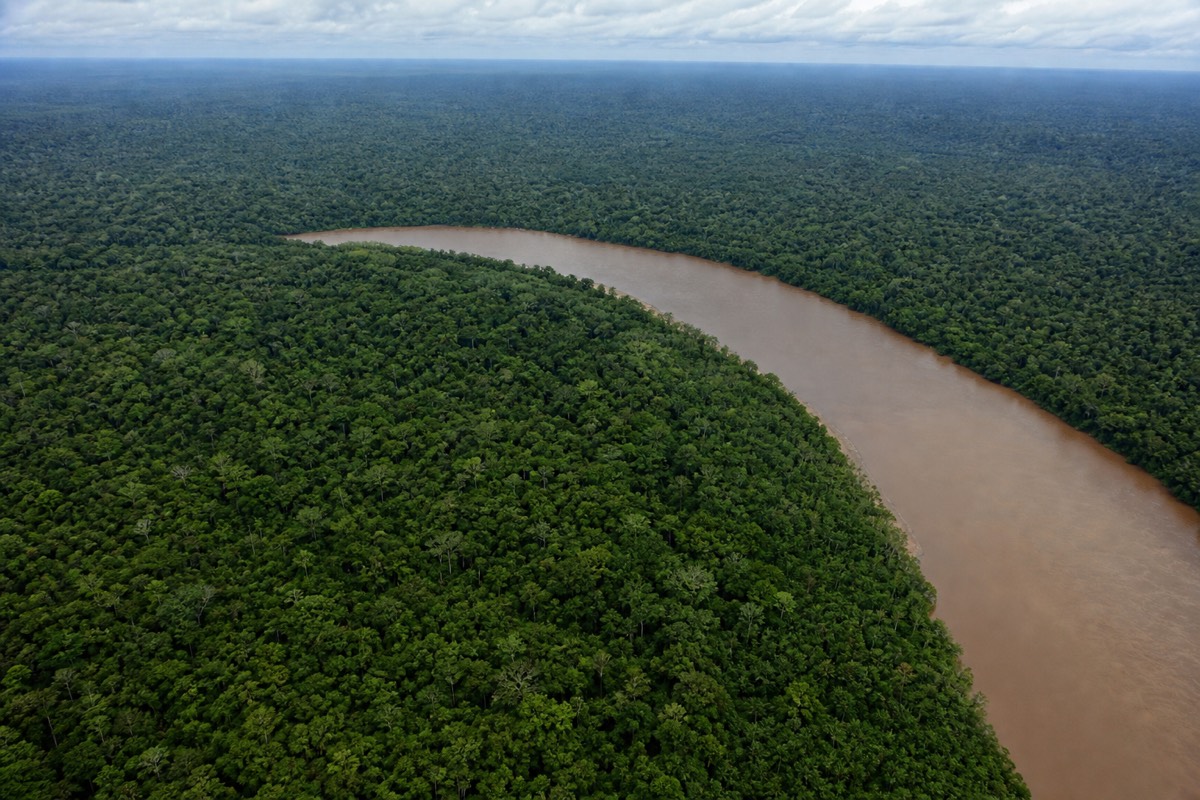
The reserve sits in the huge lowland wedge where the Maranon and Ucayali rivers run toward each other before joining to form the Amazon proper. Most of it is varzea, seasonally flooded forest, which means the map you look at in January is not the map you walk in September. Water moves through it, rises into the trees, drops back into the channels, and the wildlife moves with it. Understanding that rhythm is most of what separates a good trip here from a disappointing one.
This guide covers what the reserve actually is, how people really get in, what you can expect to see, and, just as important, an honest account of what the multi-day trips sold from Iquitos do and do not include. There is a lot of loose marketing attached to the name Pacaya-Samiria. The section near the end sorts out what is genuinely a reserve expedition and what is a lodge stay in the wider river system around Iquitos.
Quick answer: Pacaya-Samiria National Reserve is Peru's largest protected area, a vast tract of flooded forest between the Maranon and Ucayali rivers, managed by SERNANP. It is not a day trip from Iquitos. Realistic visits are river-based expeditions of four days or more, usually run through a lodge or a camping operator, and the deeper you go the better the odds on rarer species.
Booking choice: Pacaya-Samiria: 4 days / 3 nights. Explore the Yanayacu-Pucate by boat, with forest walks, birdwatching and night excursions. Camp accommodation, meals and reserve entry included.
Discover Pacaya-Samiria: 4 days / 3 nightsRealistic wildlife odds on a multi-day trip in this river system
Wildlife sightings vary with the route, water level and animal behaviour. No independently measured sighting percentage is verified for this guide.
Ranges reflect reported sighting rates on well-run multi-day tours in the Iquitos and Pacaya-Samiria river system, not guarantees. Wild animals move.
What exactly is the Pacaya-Samiria National Reserve?
Pacaya-Samiria is Peru's largest protected area, a low-lying expanse of seasonally flooded rainforest in the northern Peruvian Amazon, bordered by the Maranon and Ucayali rivers. It is a national reserve rather than a national park, which means regulated human use is permitted, and it is administered by SERNANP, the state protected-areas service.
The status matters more than it sounds. A national reserve in the Peruvian system allows sustainable use by resident communities, so people live inside Pacaya-Samiria and fish, harvest palm fruit, and manage turtle beaches under agreements with the official reserve authority. You are not entering an empty wilderness. You are entering a working, inhabited landscape that also happens to hold one of the densest concentrations of large Amazonian wildlife left in Peru.
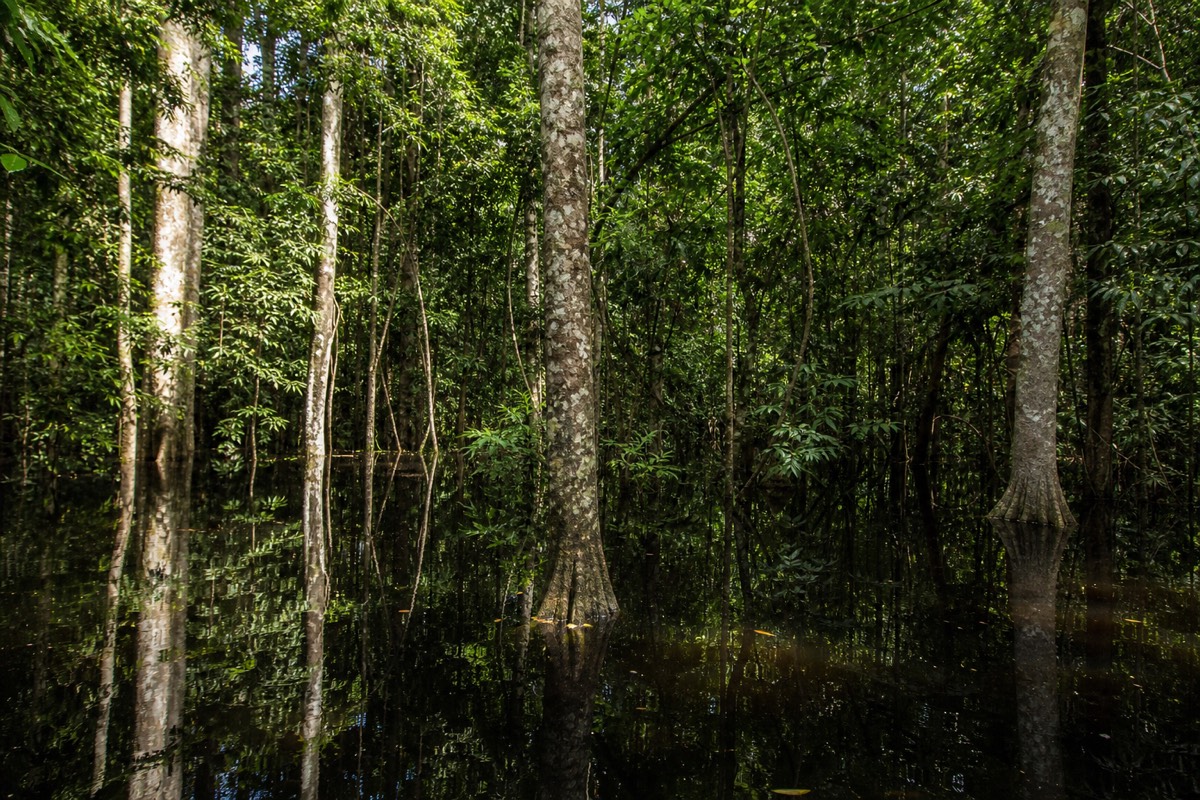
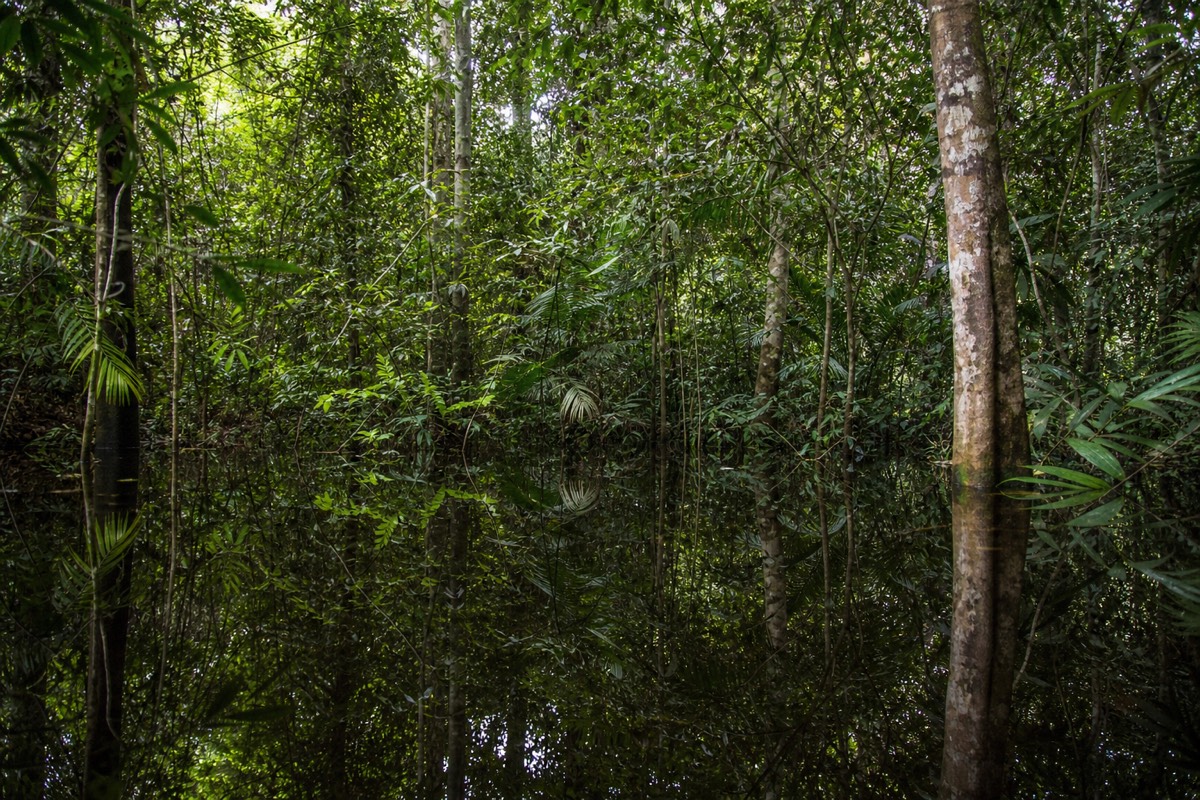
Locals call it the mirror forest, and once you see it in high water the name makes sense. When the rivers rise, the flooded understory turns the whole forest into a reflecting surface, and a canoe glides between trunks that are standing in three or four metres of water. That flooded-forest ecosystem is the reserve's signature and the main reason it feels different from terra firme jungle further south.
| Feature | What it means for a visitor |
|---|---|
| Status | National reserve, Peru's largest protected area, regulated use permitted |
| Managing body | SERNANP, Peru's national protected-areas service, which sets entry rules and guide requirements |
| Main ecosystem | Varzea, seasonally flooded forest, plus oxbow lakes and blackwater channels |
| Bordering rivers | The Maranon to the north, the Ucayali to the south, meeting downstream to form the Amazon |
| Nearest air gateway | Iquitos, then several hours upriver by boat |
| Day trip possible? | No. Distances and river travel times rule it out |
| Signature wildlife | Pink river dolphins, giant river otters, black caiman, macaws, spider monkeys, giant South American river turtles |
Where is Pacaya-Samiria and how far is it from Iquitos?
The reserve lies upriver and to the south and west of Iquitos, inside the triangle formed where the Maranon and Ucayali converge. There is no road. Access is by river, and depending on which entrance and which operator, the boat leg from Iquitos runs from several hours to the better part of a day.
Start with the city itself. Iquitos sits at roughly 100 metres above sea level, at the confluence of the Amazon, Nanay and Itaya rivers, and it is the largest city on earth with no road access to the outside world. Getting there means flying, and Francisco Secada Vignetta International Airport takes direct flights from Lima in around 1 hour 45 minutes. Anyone still working out the front end of the trip should read the separate guide on how to get to Iquitos before booking anything upriver.
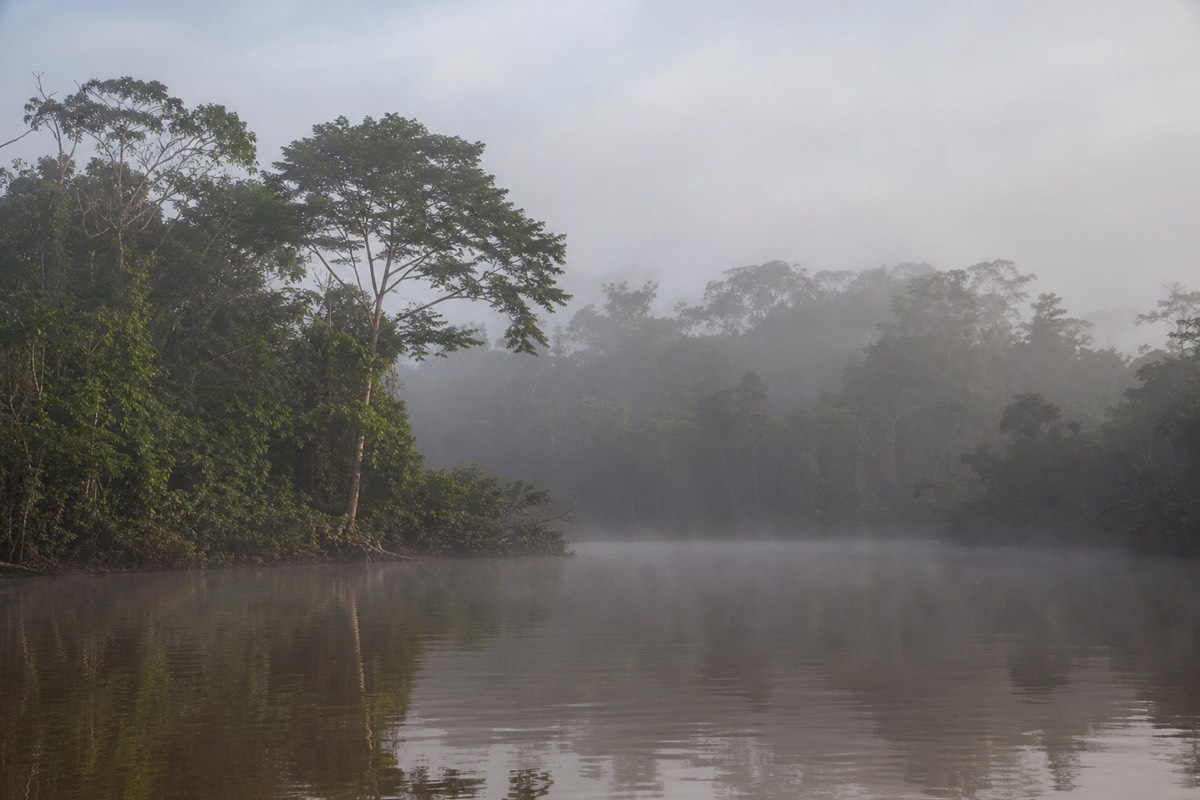
From Iquitos, everything moves on water. Boats travel upstream along the Amazon and then the Maranon toward the reserve's northern edge, or south along the Ucayali. Speed depends on the boat, the water level, and the season. A fast launch covers ground quickly on the main channel. A slower peque-peque, the small local motor canoe, is what you switch to once you leave the highway of the main river and start working the side channels where animals actually are.
The practical consequence: travel time is a real part of your itinerary, not an inconvenience bolted onto it. On a five- or six-day trip you can absorb most of a day of river transit at each end and still have three or four productive field days. On a three-day trip you cannot. That arithmetic is the honest reason why reserve expeditions start at four to five days and why so much of what is sold from Iquitos as a short jungle trip operates much closer to town.
What makes Pacaya-Samiria different from a jungle lodge near Iquitos?
Distance from the city, and what that distance buys. Lodges within one to three hours of Iquitos sit in genuine rainforest but in a river corridor that sees daily boat traffic. Pacaya-Samiria is further out, less trafficked, and less hunted, so wildlife tolerates a canoe at closer range and the harder species turn up more often.
Nobody should oversell this. The forest around Iquitos is not a theme park. It is a functioning ecosystem where you will see monkeys, macaws, caimans and pink river dolphins on a well-run three-day lodge stay, and plenty of visitors come home entirely satisfied without ever entering the reserve. The difference is one of degree and of density, not of kind.
What extra remoteness reliably changes is the tail of the distribution. Common species are common everywhere in this region. Uncommon ones are a function of how much undisturbed habitat sits between you and the nearest town, and how many days you spend looking. No independently measured sighting rate is verified for this guide; encounters depend on the route, conditions and wild animals.
| Lodge stay near Iquitos | Pacaya-Samiria area expedition | |
|---|---|---|
| Typical length | 2 to 4 days | 4 to 7 days |
| Boat transfer from Iquitos | 30 minutes to 3 hours | Several hours to most of a day each way |
| Accommodation | Fixed eco-lodge, private room, bathroom, mosquito nets | Basic lodge, community lodging or tented camping depending on operator |
| Common wildlife | Very high odds, monkeys, macaws, caimans, dolphins | Very high odds, plus more time on the water to find them |
| Rare wildlife | Possible but limited by time | Better odds on otters, anacondas, tapir, occasionally jaguar |
| Other boats | You will see some | Often none for hours |
| Comfort level | Higher | Lower, and that is the trade |
| Typical price band | Around $305 to $545 for 2 to 4 days | Around $360 to $1,129 for 5 to 7 days |
If you are weighing where to stay rather than which reserve to enter, the companion guide on the best Amazon lodges near Iquitos runs through the fixed-lodge options in more detail. And if you are choosing between a fixed base and a moving one, see the comparison of a lodge vs a river cruise, which is a genuinely different way to cover this landscape.
How do you actually visit Pacaya-Samiria from Iquitos?
Almost everyone visits as part of an organised multi-day trip, because SERNANP requires registration and an authorised guide, and because independent river logistics in a roadless flooded forest are beyond what most travellers can arrange. You book a lodge package or a camping expedition, and the operator handles permits, boats, food and guiding.
There is a second, slower door in. Some travellers reach the reserve from the town of Lagunas, on the Huallaga, which is served by river boat from Yurimaguas and is a common budget entry point for community-run canoe trips into the Pacaya and Samiria basins. That route is cheap, basic, and time-consuming. It suits people with weeks rather than days, and it does not start in Iquitos.
For the Iquitos-based traveller, the honest sequence looks like this:
| Step | What happens | Time to allow |
|---|---|---|
| 1. Fly to Iquitos | Direct from Lima, around 1h45. Fares typically USD 80 to 250 one way | Half a day including transfers |
| 2. Night in Iquitos | Most expeditions leave early. A night in town de-risks a delayed flight | 1 night |
| 3. River transfer | Fast boat upriver, then transfer to a smaller craft for the channels | Several hours to a full day |
| 4. Field days | Dawn and dusk excursions, canoe channels, night spotlighting, forest walks | 2 to 5 days |
| 5. Return | Reverse the river leg, overnight in Iquitos, fly out | 1 day plus 1 night |
Two planning notes that save people money and grief. First, never book a same-day connection out of Lima after your return river leg. Water levels, weather and boat mechanics all move schedules in this region. Second, ask any operator directly and in writing which rivers and which areas the itinerary uses. A clear answer is a good sign. A vague one is a reason to keep shopping, and the guide on how to choose an ethical Amazon tour operator lists the other questions worth asking.
What wildlife will you realistically see in the Pacaya-Samiria area?
Expect monkeys, macaws and other large birds, caimans on night trips, and pink river dolphins as near-certainties on any competent multi-day trip. Sloths, giant river otters and river turtles fall in the likely-but-not-guaranteed band. Anacondas, tapir and jaguar are bonuses, and anyone promising them is overselling.
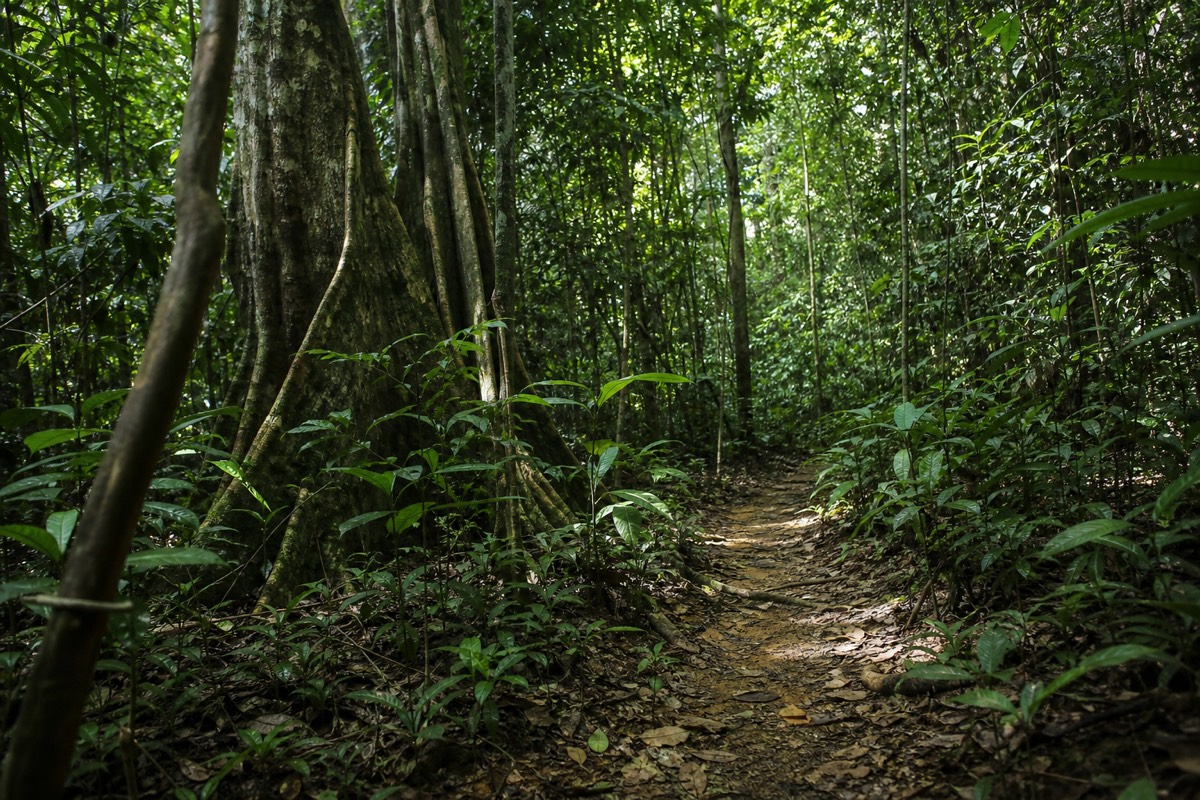
The northern Peruvian Amazon is one of the most biodiverse regions on earth, with over 1,000 bird species and 300-plus mammals recorded across the region. That number is not a promise about your week. What you personally see comes down to season, guide quality, how early you get on the water, and how many days you are out.
The flooded forest gives this area two specific advantages. Canoes can move silently between trees where a motorboat cannot go, which is why so much of the good viewing here happens from a paddled dugout. And the oxbow lakes hold concentrated fish populations, which is where giant river otters hunt and where the odds on that particular highlight are best.
| Species group | Typical chance on a 4-day-plus trip | Where and when |
|---|---|---|
| Monkeys, several species | Not independently measured | Canopy on morning walks and from the boat, all seasons |
| Macaws, toucans, parrots | Not independently measured | Early morning, clay licks where the operator has access |
| Caimans | Not independently measured | Night boat trips, eyeshine along the banks |
| Pink river dolphins | Not independently measured | Main channels and lake mouths, morning and late afternoon |
| Sloths | Not independently measured | Cecropia trees along the water, spotted by guides not guests |
| Giant river otters | Not independently measured | Oxbow lakes, usually heard before seen |
| River turtles | Not independently measured | Logs and sandbanks, best in low water |
| Anaconda, boa, tapir | Not independently measured | Night walks and quiet channels, heavily guide-dependent |
| Jaguar | Not independently measured | Riverbanks at dawn, remote sectors, mostly luck |
One recurring highlight deserves its own note. Pink river dolphins in this river system are resident year-round rather than seasonal, curious around boats, and often surface within metres of a drifting canoe. Sighting rates here are among the highest anywhere in the basin. For a fuller treatment of behaviour, ethics and photography, see the dedicated piece on pink river dolphins and the broader rundown of wildlife you'll actually see.
When should you go, high water or low water?
Low water, roughly June to November and best in July to September, concentrates animals around shrinking water and opens the forest trails. High water, roughly December to May, floods the understory and lets canoes penetrate places that are dry ground the rest of the year. Both are good. They are different trips.
The equatorial climate here is hot and humid all year, so temperature is not the variable that matters. The river's annual flood cycle is. Water can swing by many metres between the two extremes, and everything about access follows it.
| High water, roughly Dec to May | Low water, roughly Jun to Nov | |
|---|---|---|
| Forest access | By canoe, through the trees | On foot, trails open |
| Wildlife pattern | Spread out across flooded forest | Concentrated at remaining water |
| Dolphin odds | Not independently measured | Not independently measured |
| Birding | Breeding colonies, migrants | Clay-lick activity, easier viewing |
| Insects | More | Fewer |
| Crowds and pricing | Quieter, often cheaper | Peak season, book earlier |
| Best for | Flooded-forest canoeing, photography of reflections | First visits, walking, maximum sightings |
If you have flexibility, July to September is the safest first-visit window and the one most operators build their strongest itineraries around. If you specifically want the mirror forest, come in the high-water months and accept that your walking days shrink. The full month-by-month breakdown lives in the guide on the best time to visit the Iquitos Amazon.
What does a multi-day Pacaya-Samiria-area trip typically include?
Almost all packages are all-inclusive from Iquitos: river transfers both ways, accommodation, all meals, drinking water, an authorised bilingual guide, and a fixed excursion programme built around dawn and dusk. Flights, tips, alcohol, and personal gear are normally excluded.
The daily rhythm rarely varies much, because it follows the animals. Early boat out before the heat, a mid-morning return, a long break through the hot middle of the day, an afternoon or sunset excursion, dinner, then a night walk or night boat for caimans, frogs and whatever else the spotlight finds.
| Category | Normally included | Normally not included |
|---|---|---|
| Transport | Return river transfers from Iquitos, all boats and canoes during the trip | Flights to and from Iquitos, airport taxis in some cases |
| Accommodation | Lodge room or tented camp, mosquito nets, bedding | Hotel nights in Iquitos before and after |
| Food | All meals, drinking water, fruit, usually a jungle-style barbecue or picnic | Alcohol, soft drinks at some lodges |
| Guiding | Authorised bilingual naturalist guide, boat driver, all excursions | Private guide upgrade, specialist birding guide |
| Activities | Jungle walks, canoe channels, night spotlighting, piranha fishing, community visit | Optional add-ons some operators sell separately |
| Admin | Reserve registration and permits where applicable | Travel insurance, vaccinations, tips |
| Tips | Not included | Allow roughly USD 10 to 20 per day total for guide and crew |
Packing is not a footnote here. Everything you bring gets damp, everything unprotected gets insects on it, and remote camps have limited or no charging. Long sleeves, long trousers, quick-dry fabrics, high-DEET repellent, a headlamp, a dry bag and binoculars are the short list. The full version is in the guide on what to pack.
Does this site sell a Pacaya-Samiria tour?
The updated shortlist includes a four-day Pacaya-Samiria itinerary through the Yanayacu-Pucate, with road transfer from Iquitos to Nauta and boat travel into the reserve. Entry and camp nights are included. A lodge merely near the reserve should not be treated as the same route.
Plenty of sites blur this. A lot of listings that use the Pacaya-Samiria name in marketing copy actually run in the general Loreto river system rather than inside the reserve boundary, which is why we would rather tell you what our operators' own itineraries say than borrow the name. If entering the reserve itself is the point of your trip, ask the operator to confirm the sector and the permit before you pay.
What the multi-day trips here do offer is the same ingredient list, in the same ecosystem type, with the same guides and the same wildlife pool. If your real goal is deep flooded-forest immersion with high wildlife density and days spent on the water rather than in a hotel, these are the formats that deliver it:
| Tour | Length | Price | Rating | Style |
|---|---|---|---|---|
| Jungle Explorer Tour, 5 Days 4 Nights | 5 days | $360 | 4.9 stars, 457+ booked | Eco-lodge base, guided excursions, longest-format value option |
| 6-Day Amazon Jungle Camping Expedition | 6 days | $909 | 4.3 stars, 310+ booked | Camping rather than lodge infrastructure, the most expedition-like format |
| 7-Day Amazon Jungle Adventure, Maniti Eco-Lodge | 7 days | $1,129 | 5 stars, 299+ booked | Longest stay, canoe channels, night excursions, deepest immersion |
| Iquitos 4D/3N Amazon Rainforest Jungle Tour | 4 days, 3 nights | $375 | 4.8 stars, 468+ booked | Shortest trip that still gives multiple full field days |
Ratings, prices and booking counts above are the live figures from the listings. Prices move, so treat them as planning allowances and check the current listing before you commit.
How many days do you need, and is it worth it?
Four days is the practical floor once river transit is counted, five to seven is where the reserve-style trip starts paying off, and three days is a good introduction to the Amazon but not a realistic reserve expedition. Whether it is worth it depends entirely on whether wildlife or comfort is your priority.
Do the arithmetic honestly. A three-day trip from Iquitos gives you roughly one and a half genuine field days after transfers. That is enough for dolphins, monkeys, macaws, a night caiman search and a real sense of the place, which is why three-day formats are the most popular thing sold here and produce excellent reviews. It is not enough to reach and work the deeper channels.
Five days changes the character of the trip. You get repeat visits to the same lake at different times of day, a weather buffer, and the slow accumulation of sightings that produces the otters and the anaconda stories. Seven days is for people who want the forest to stop feeling like an excursion and start feeling like a place they live in for a week. The trade-off analysis in the guide on how many days you need in the Iquitos Amazon goes through this length by length.
One last framing point. If you are still choosing a region rather than a length, the range of Amazon tours from Iquitos shows what the multi-day formats include, and the comparison of Iquitos vs Puerto Maldonado is the right next read, and the wider look at Peru, Brazil and Ecuador covers the country-level decision. Pacaya-Samiria is the strongest single argument for the northern route: the largest protected area in Peru, a flooded forest you can paddle into, and a wildlife list that still includes animals most of the Amazon has quietly lost.
If you would rather compare trips first, our full range of Iquitos Amazon Tours runs from single-day outings to week-long lodge stays.