Peru vs Brazil vs Ecuador: Which Amazon Rainforest Should You Visit?
Brazil has most of the basin, Ecuador has the easiest access, and Peru sits in between with some of the least disturbed forest left. Here is how the three compare on access, wildlife and cost, and how to match one to the trip you are actually taking.
For a paid experience alongside this guide, forest walks, a night boat outing and dolphin watching from a lodge base. Meals, guide and round-trip airport transfers included. Explore Muyuna: 3 days / 2 nights
Pricing note: figures in the original guide are illustrative historical examples, not current quotes. No independent wildlife sighting percentages or safety/welfare certification are verified. Use the dated provider options below to compare current details.
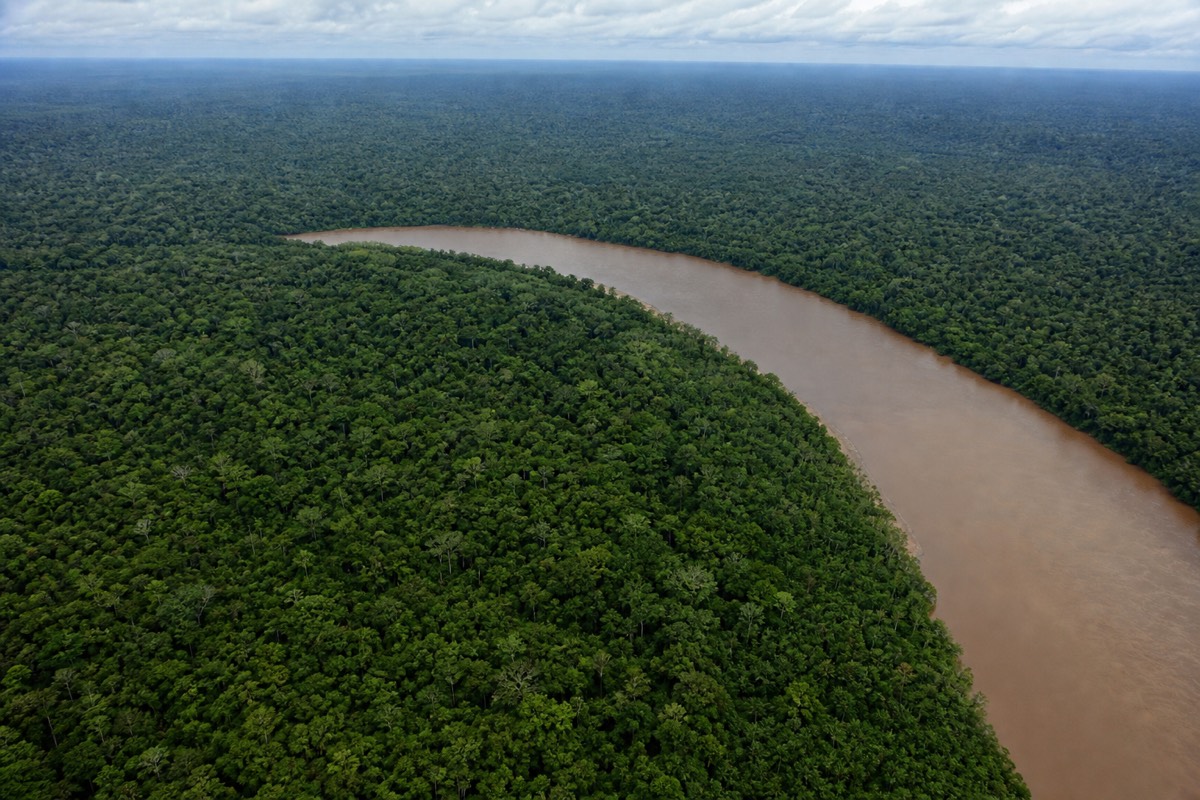
Three countries dominate the Amazon travel decision, and they get compared as if they were three versions of the same holiday. They are not. Brazil holds most of the basin and runs its rainforest tourism through one big river city. Peru holds a much smaller share but some of the least disturbed forest left in it. Ecuador holds a sliver, and turns that into an advantage by making the jungle easy to reach and easy to bolt onto something else.
Choosing between them is less about which rainforest is best, because at ground level a hectare of Amazon in Loreto and a hectare in Amazonas state look remarkably similar. It is about how you get there, how far from a road you end up, what else is on your itinerary, and which animals you specifically want to see.
This site books trips out of one Peruvian city, so treat the Peru section as the one we know from the inside and the other two as honest general comparison rather than insider detail. We will not invent statistics about places we do not operate in.
Quick answer: Choose Brazil if you want the biggest river, the Meeting of the Waters and the most developed river-cruise infrastructure, via Manaus. Choose Ecuador if you want the fastest, easiest jungle access, often paired with the Galapagos. Choose Peru if you want genuinely remote forest, the highest pink river dolphin densities in the basin and the flooded-forest ecosystem, and once you have chosen Peru the northern gateway of Iquitos is the deepest version of that.
Booking choice: Muyuna: 3 days / 2 nights. Forest walks, a night boat outing and dolphin watching from a lodge base. Meals, guide and round-trip airport transfers included.
Discover Muyuna: 3 days / 2 nightsHow the Amazon basin is divided
Rounded published basin shares, shown for context only. Basin size is a poor predictor of how good a given trip will be.
How much of the Amazon does each country actually hold?
Brazil holds roughly 60 percent of the Amazon basin, Peru around 13 percent, Colombia about 10 percent, Bolivia around 6 percent and Ecuador roughly 2 percent, with the remainder split between Venezuela, Guyana, Suriname and French Guiana. Those are rounded published figures, and size tells you very little about trip quality.
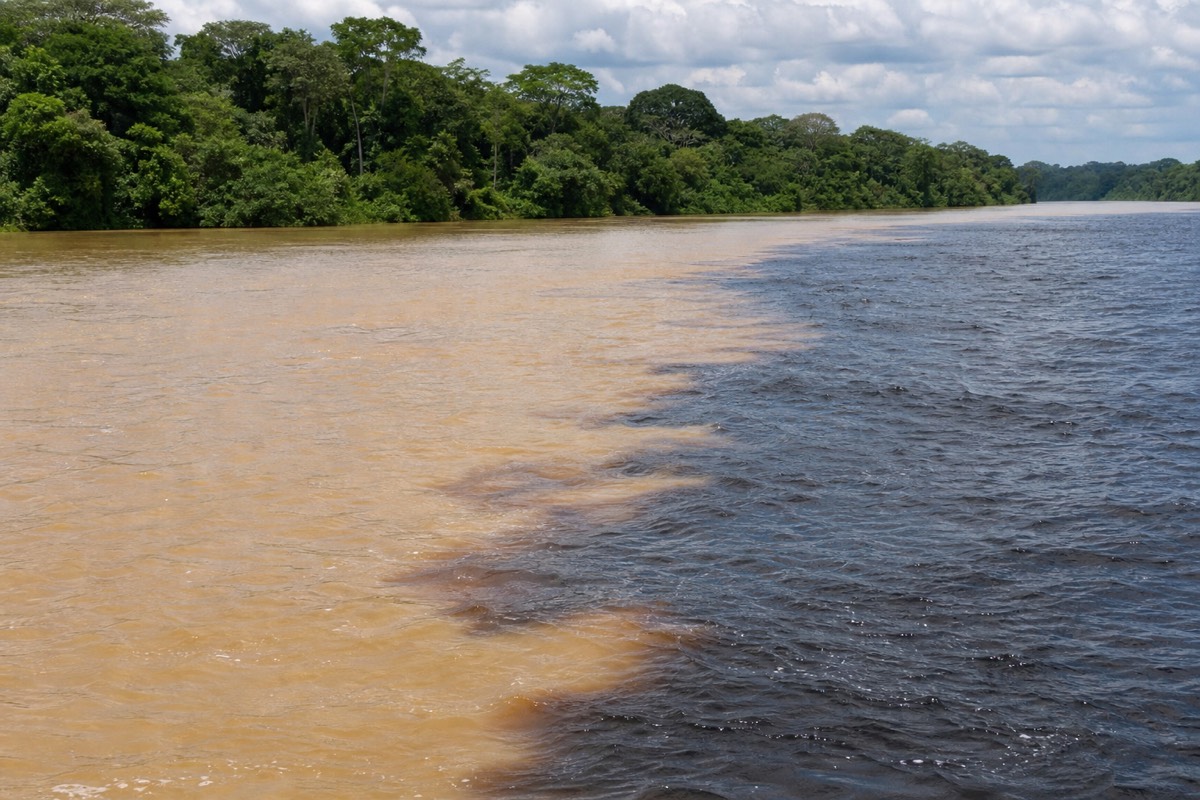
This is the statistic everyone opens with and the one that matters least for a two-week holiday. A traveller does not experience 60 percent of a basin. They experience one river, one lodge, and a radius of a few dozen kilometres around it. What determines the quality of that radius is how much human pressure it has absorbed, not which flag is on the map.
Where basin share does matter is in the character of the water. In Brazil the rivers are simply enormous, and the scale of the Rio Negro and the Solimoes is genuinely difficult to comprehend from a boat. In Peru you are further upstream, on narrower systems, closer to the forest edge on both banks. In Ecuador you are closer still to the Andes, on smaller, faster upper-basin rivers.
| Country | Approximate basin share | What that means on the ground |
|---|---|---|
| Brazil | Around 60% | Vast rivers, big-scale cruising, the most tourism infrastructure |
| Peru | Around 13% | Upstream forests, high wildlife density, large protected areas |
| Colombia | Around 10% | Growing but still niche visitor infrastructure |
| Bolivia | Around 6% | Pampas and forest mix, budget-oriented tourism |
| Ecuador | Around 2% | Small area, very short access times, high lodge quality |
| Others combined | Around 9% | Venezuela, Guyana, Suriname, French Guiana |
What is the Brazilian Amazon like to visit?
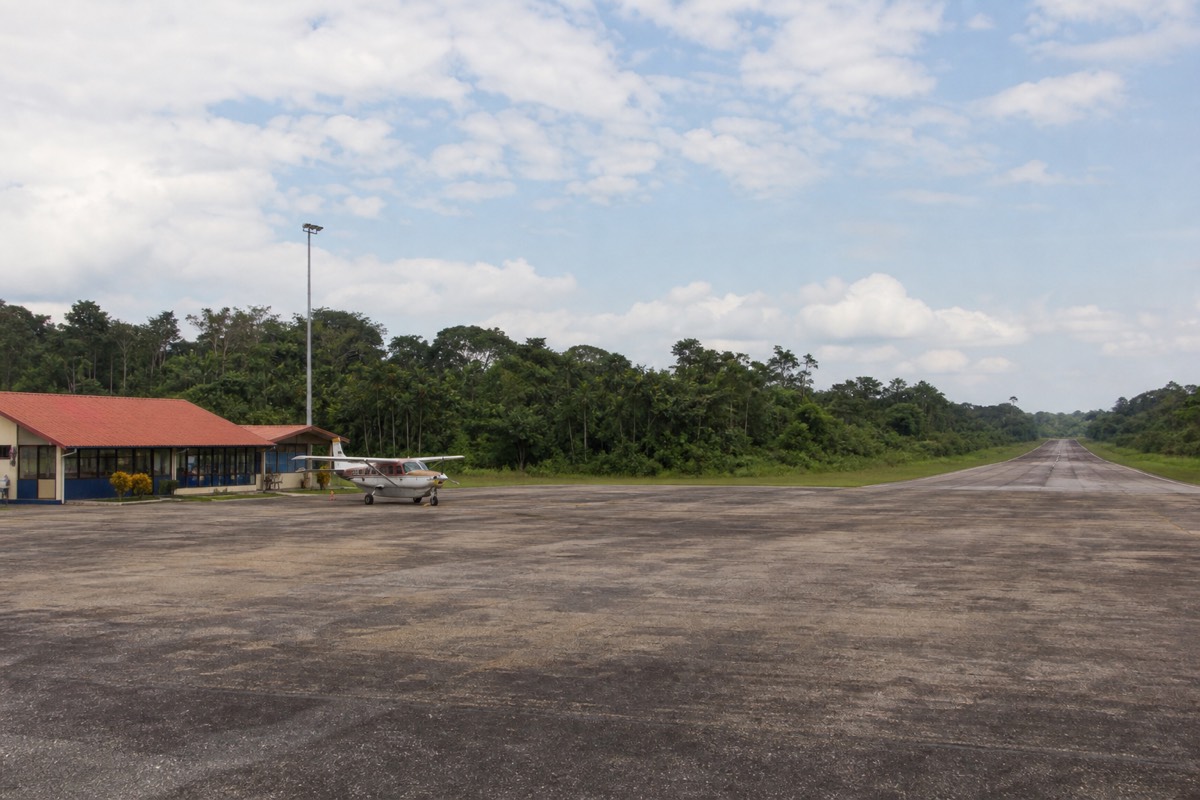
Brazil's Amazon tourism runs largely through Manaus, a large city deep in the basin with an international airport, historic architecture from the rubber boom, and the Meeting of the Waters just downstream where the dark Rio Negro runs alongside the pale Solimoes without mixing. It has the most developed river-cruise sector of the three.
The scale is the selling point. Boats here are bigger, the rivers are wider, and multi-day cruise itineraries with cabins and decks are a mature product rather than an unusual one. If your image of the Amazon is a ship moving down an inland sea, Brazil delivers that better than anywhere.
The trade-off is that Manaus is a metropolis of more than two million people, and getting genuinely away from human activity takes real distance. Lodges close to the city are busy. The more remote Brazilian options exist and are excellent, but they demand time and budget in the same way remote Peruvian options do.
Brazil also asks more of your itinerary logic. It is a very large country, distances between the Amazon and the beaches, Rio or Iguazu are long, and internal flights are a significant cost line. Most people visiting Brazil's Amazon are on a Brazil trip, not an Amazon trip.
What is the Ecuadorian Amazon like to visit?
Ecuador holds the smallest slice of the three, but access is the fastest. The Oriente is reached from Quito by short domestic flights to Coca or Lago Agrio, followed by a river transfer, and the region's lodges have a strong reputation. It is the classic add-on for travellers already going to the Galapagos.
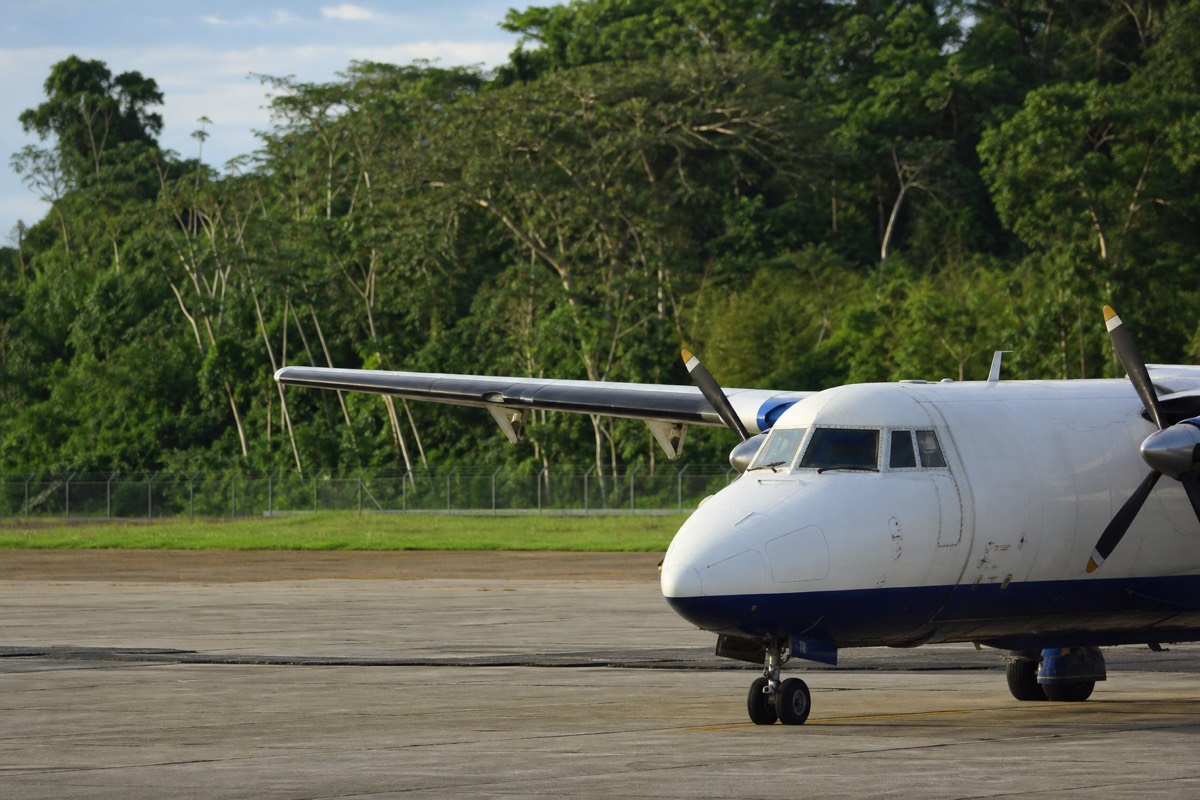
Compactness is the whole argument. In Ecuador you can be in the Andes in the morning and in lowland rainforest the same afternoon. For a traveller with limited days, that efficiency is worth a great deal, and it is why so many Galapagos itineraries tack on three or four jungle nights without much strain.
The forest itself, particularly around the Napo and in the far east of the country, is genuinely rich, with well-established clay licks and canopy towers. What you do not get is the sheer sense of distance from anything that the deeper Peruvian and Brazilian options provide, simply because the country is small and roads have pushed further into the region.
| Brazil | Peru | Ecuador | |
|---|---|---|---|
| Main gateway city | Manaus | Iquitos in the north, Puerto Maldonado in the south | Coca or Lago Agrio, from Quito |
| Getting in | Fly to Manaus, then boat | Fly to the gateway, then boat | Short flight from Quito, then boat |
| Known for | Meeting of the Waters, big-river cruises | Flooded forest, pink river dolphins, remote reserves | Speed of access, quality lodges, Galapagos pairing |
| Typical stay | 3 to 5 days | 3 to 7 days | 3 to 4 days |
| Pairs with | Rio, Iguazu, the Brazilian coast | Machu Picchu, Cusco, Lima | Galapagos, Quito, Andes |
| Language | Portuguese | Spanish | Spanish |
| Feels remote? | Depends heavily on distance from Manaus | Yes, especially the northern gateway | Less so, roads reach further in |
What is the Peruvian Amazon like to visit?
Peru offers the strongest combination of remoteness and accessibility. Its two gateways, Iquitos in the north and Puerto Maldonado in the south, both sit inside the forest rather than at its edge, and Peru holds very large protected areas including Pacaya-Samiria, the country's largest, and Tambopata and Manu in the south.
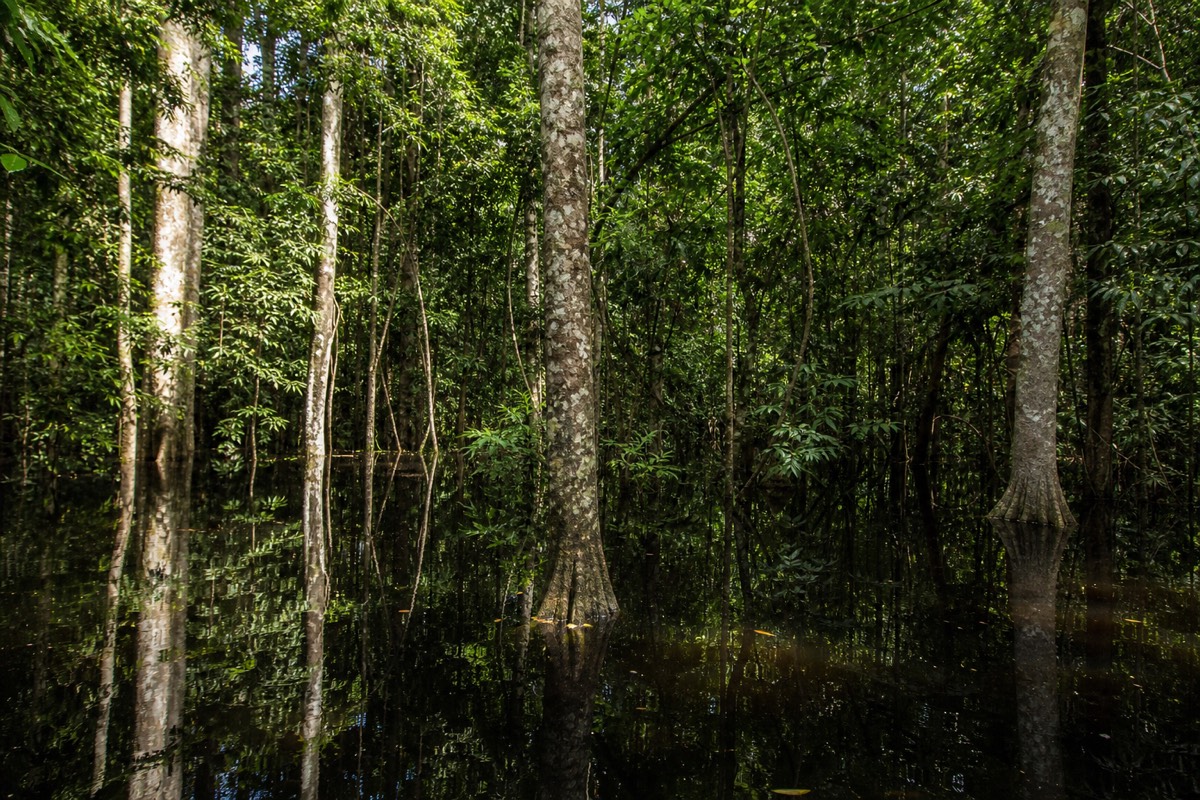
The northern Peruvian Amazon holds over 1,000 bird species and 300-plus mammals, which puts it among the most biodiverse regions on earth. More usefully for a visitor, it holds them at densities where a competent guide can find them. Monkeys, macaws and caimans are near-certainties on a multi-day trip. No independently measured sighting rate is verified for this guide; encounters depend on the route, conditions and wild animals.
Peru also has the itinerary advantage that Brazil lacks and Ecuador shares: the rest of the country is exceptional and reasonably compact. Lima, Cusco, the Sacred Valley and Machu Picchu form a coherent circuit, and the Amazon attaches to it at either end depending on which gateway you use.
One practical consequence of the size difference is worth stating. Because Ecuador's rainforest is small and Quito is close, the country can move you from capital city to lodge inside a single day. Brazil cannot do that from Rio, and Peru cannot do it from Cusco. If your total holiday is ten days and three of them are already committed elsewhere, that difference decides the trip.
Which country has the best wildlife?
All three hold broadly similar species pools, because the animals do not respect borders. What differs is the odds of seeing them, and those odds are driven by remoteness, guide quality and how many days you spend in the field, not by nationality. Peru's flooded-forest systems give it a real edge on pink river dolphins and canoe-based viewing.
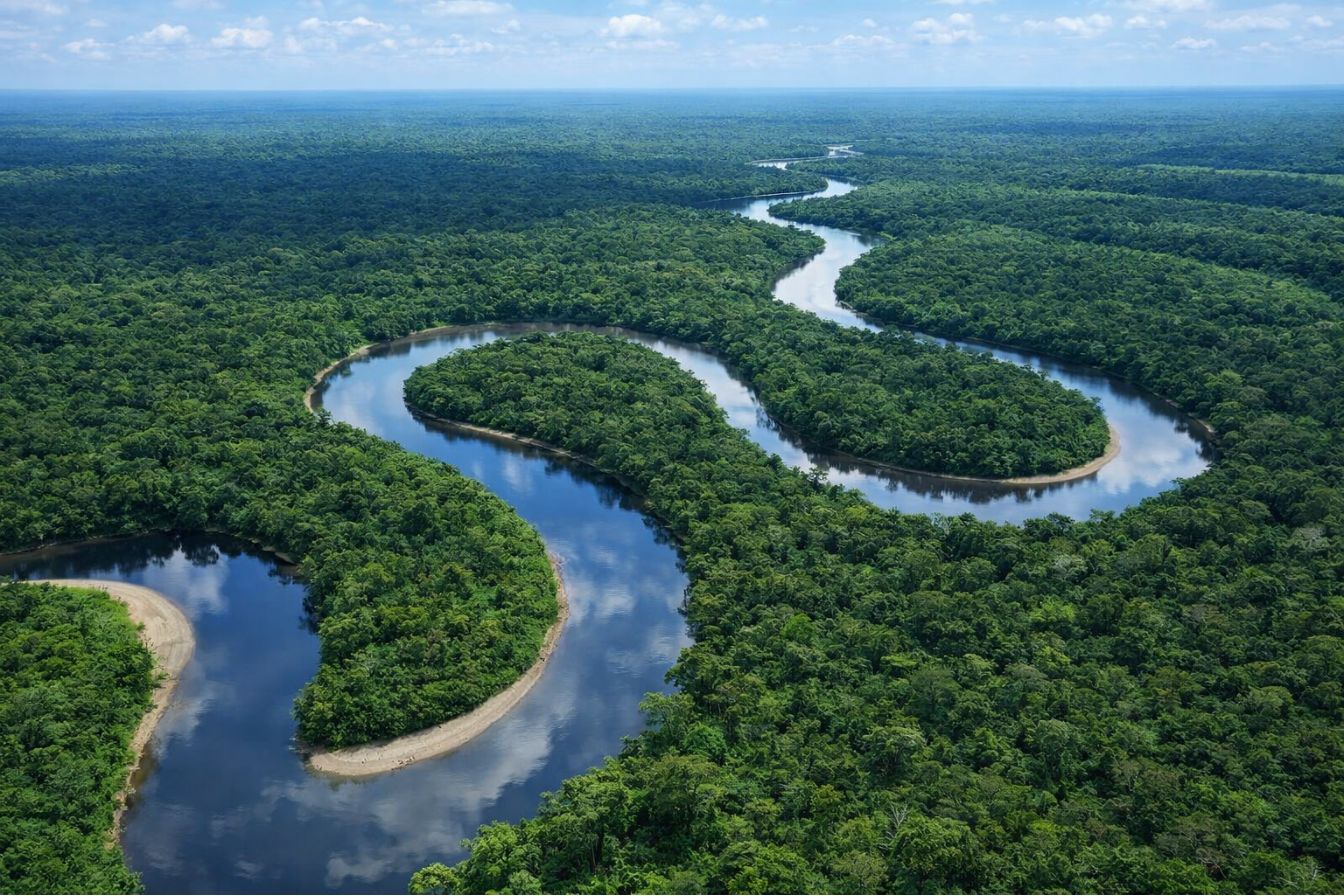
Here is the useful way to think about it. Every one of these countries will show you monkeys, parrots, caimans and a huge bird list on a well-run three-day trip. The differences appear in the tail: giant river otters, anacondas, tapir, harpy eagles, jaguar. Those turn up in proportion to how far you are from the nearest settlement and how long you stay.
The honest numbers from the northern Peruvian side, which are the ones we can stand behind, look like this.
| Species | Typical chance, northern Peru multi-day trip | Notes |
|---|---|---|
| Monkeys, several species | Not independently measured | Near-certain on any competent trip |
| Macaws, toucans, parrots | Not independently measured | Best at dawn, clay licks where accessible |
| Caimans | Not independently measured | Night boat trips, eyeshine along the banks |
| Pink river dolphins | Not independently measured | Among the highest densities in the whole basin |
| Sloths | Not independently measured | Spotted by guides, rarely by guests |
| Giant river otters | Not independently measured | Oxbow lakes, usually heard first |
| Anaconda, tapir, harpy eagle | Not independently measured | Heavily guide and luck dependent |
| Jaguar | Not independently measured | Treat as a bonus, never a promise |
We would not claim those figures transfer to Manaus or the Napo, because we have not run trips there. What we would say is that any operator quoting you certainty on jaguars in any of the three countries is not being straight with you.
Guide quality is the variable nobody puts in a comparison table, and it outweighs geography. A guide who knows which oxbow lake the otters worked yesterday, which tree the sloth has not left in three days, and how to imitate a call well enough to bring a bird in will out-produce a better location every time. Ask any operator, in any of the three countries, how long their guides have worked that specific concession. A confident, specific answer is the single best signal you will get.
Season matters almost as much. Every part of the basin runs a wet and a dry period, and in the flooded-forest systems of northern Peru the water level does more to shape the trip than rainfall does. Deciding your dates before your country is usually the wrong order. Decide what you want to see, then find the country and the month that deliver it together.
How much time and money does each option need?
Three to four days is the common minimum everywhere. Ecuador is the cheapest to slot in because access is short. Brazil carries higher internal-flight costs. Peru sits in the middle, with multi-day trips from Iquitos running roughly $305 for two days to $1,129 for seven, plus a Lima flight typically costing USD 80 to 250 each way.
The cost trap in all three countries is the same. People compare headline tour prices without counting the flight to the gateway, the pre-trip hotel night that protects against a delayed connection, and tips for guides and crew. Add those before comparing anything.
| Cost line | Northern Peru planning allowance |
|---|---|
| Flight, Lima to gateway | USD 80 to 250 one way |
| Day trip from the city | Around $110 to $150 |
| 2 to 3 day lodge package | Around $305 to $539 |
| 4 to 5 day package | Around $360 to $545 |
| 6 to 7 day expedition | Around $909 to $1,129 |
| Tips for guide and crew | Roughly USD 10 to 20 per day total |
| Buffer night in the gateway city | Budget one night either side |
Those Peruvian figures are the live prices on this site's own listings rather than an estimate, though prices move and you should check the current listing before you commit. The full breakdown lives in the guide on how much an Iquitos Amazon tour costs.
If you pick Peru, why Iquitos specifically?
Because it is the most isolated of the realistic options. Iquitos is the largest city in the world with no road connection to the outside world, which means the forest downstream of it has never had a highway cut through it. Add direct 1h45 flights from Lima, the flooded-forest ecosystem and access toward Pacaya-Samiria, and it is the deepest Amazon you can reach easily.
The no-roads point is worth sitting with. Road access is the single strongest predictor of forest degradation anywhere in the tropics, because roads bring logging, settlement and hunting behind them. A region that has never had one keeps its large animals. That is not a slogan, it is why sighting rates here hold up.
The second argument is the water itself. Iquitos sits where the Amazon, Nanay and Itaya rivers meet, and the annual flood cycle raises and drops the whole system by many metres. In high water you paddle a canoe between the trunks of standing forest. In low water you walk trails that were underwater in April. Very few places offer both versions of the same forest.
The third is the wildlife economics already covered: pink river dolphins at densities among the highest in the basin, and a protected-area system anchored by Pacaya-Samiria National Reserve, managed by SERNANP.
| Reason to choose the northern Peruvian gateway | Detail |
|---|---|
| No road access | Largest city on earth with no road link, so no highway-driven forest loss downstream |
| Direct from Lima | Around 1 hour 45 minutes, multiple daily departures |
| Flooded forest | Varzea ecosystem you can canoe into during high water |
| Dolphin density | Among the highest anywhere in the Amazon basin, resident year-round |
| Protected areas | Access toward Pacaya-Samiria, Peru's largest protected area |
| Trip lengths available | Day trips through 7-day expeditions, so the format matches the traveller |
| The city itself | Rubber-boom architecture, Belen Market, a distinctive Amazonian food scene |
What does a typical trip look like in each country?
The daily shape is remarkably consistent across all three: an early excursion before the heat, a long midday break, a late-afternoon outing, then a night walk or night boat. What changes is the vehicle. Brazil leans toward larger boats and cruises, Peru toward lodge bases with motor canoes, Ecuador toward lodges reached by a single long river run.
In Brazil a common structure is a multi-day river cruise with cabin accommodation, running out from Manaus, with excursions launched from the mother ship in small boats. Lodge-based trips exist too, but the cruise product is the one Brazil does at a scale nobody else matches.
In Peru the standard is a fixed lodge with daily excursions radiating out from it, plus camping expeditions for people who want to move. The northern lodges sit anywhere from 30 minutes to several hours upriver from the city, and how far out yours is matters more than its star rating. A river-cruise option exists here too, and the comparison of a lodge vs a river cruise sets out the trade.
In Ecuador the classic pattern is a flight from Quito, a road transfer, then a long motorised canoe run down the Napo to a lodge, with canopy towers and clay licks as the set pieces. The travel day in is longer than the flight time suggests, but everything after it is efficient.
| Brazil | Peru, northern gateway | Ecuador | |
|---|---|---|---|
| Dominant format | River cruise with cabins, plus lodges | Fixed eco-lodge, plus camping expeditions | Fixed lodge reached by river |
| Transfer in | Boat from Manaus | 30 minutes to several hours by boat | Flight, road, then a long canoe run |
| Daily rhythm | Dawn excursion, midday break, dusk outing, night trip | The same rhythm | The same rhythm |
| Set-piece activity | Meeting of the Waters, big-river cruising | Canoe through flooded forest, dolphin watching | Canopy tower, clay lick |
| Cultural element | Riverside community visits | Indigenous community visits, medicinal plant walks | Community-run lodges in several areas |
| Comfort ceiling | High, cruise cabins and premium lodges | Mid to high, private bungalows at the top end | High, some of the best lodges in the basin |
What mistakes do people make choosing an Amazon country?
Treating basin share as a quality ranking, booking too few days, and choosing a country that fights the rest of the itinerary. The single strongest predictor of a good Amazon trip is field time with a good guide, and every one of these mistakes eats into it.
The basin-share trap comes first because the statistic is everywhere. Brazil having 60 percent of the Amazon tells you nothing about whether your particular lodge is two hours or two days from the nearest town, and that second number is what actually determines what walks past your canoe.
The itinerary mistake is the expensive one. Adding an Amazon leg in a country you were not otherwise visiting means international or long domestic flights on both ends, and those days come out of your holiday, not out of thin air. Amazon forest in three countries looks broadly alike at ground level. Your flight map does not.
The last one is the most common and the easiest to fix. People book three days because that is the entry-level product, then discover that transfers consumed most of the first and last day. Adding two days roughly doubles usable field time, because the cost of getting in and out is paid once regardless.
| If you want this | Go here | Because |
|---|---|---|
| The biggest rivers and a cruise | Brazil, via Manaus | The mature cruise sector and the Meeting of the Waters |
| Fastest access, fewest spare days | Ecuador, via Quito | Short flight, small country, quality lodges |
| Pairing with Machu Picchu | Peru, southern gateway | Puerto Maldonado is a short hop from Cusco |
| Pink river dolphins | Peru, northern gateway | Among the highest densities in the basin |
| Flooded forest you can paddle into | Peru, northern gateway | Varzea ecosystem, high water December to May |
| Maximum remoteness with easy access | Peru, northern gateway | No road has ever reached the city or the forest behind it |
| Pairing with the Galapagos | Ecuador | The standard two-part Ecuador itinerary |
So which Amazon should you visit?
Match the country to your wider trip, not to a ranking. Brazil if you are already going to Rio or the coast and want the big-river experience. Ecuador if you are doing the Galapagos or have very few spare days. Peru if the rainforest is the reason for the trip, or if you are combining it with Cusco and Machu Picchu.
The pattern in every honest version of this comparison is the same: the biggest determinant of how good your Amazon trip is turns out to be how many days you spend in the forest and how good your guide is, not which country stamped your passport. A five-day trip in any of the three beats a rushed two-day trip in all of them.
If Peru is where you land, the next decision is which gateway, and that has its own comparison in the guide on Iquitos vs Puerto Maldonado. From there, work out timing with the guide on the best time to visit the Iquitos Amazon and length with the piece on how many days you need in the Iquitos Amazon, then look at what the multi-day Iquitos Amazon tours actually include before you book anything.