What to Pack for an Iquitos Amazon Tour
Daytime temperatures around Iquitos sit between 28 and 35 degrees Celsius and nights fall to about 22 to 26, with mosquitoes and sandflies working the whole time. Almost everything on this list exists to solve one of those two problems.
For a paid experience alongside this guide, a Yarapa lodge stay with medicinal-plant walks, piranha fishing, night walks and village time. Meals, transfers, drinking water and rubber boots included. Explore Jungle Explorer: 5 days / 4 nights
Pricing note: figures in the original guide are illustrative historical examples, not current quotes. No independent wildlife sighting percentages or safety/welfare certification are verified. Use the dated provider options below to compare current details.
The counterintuitive part of packing for the Amazon is that you cover up more, not less. Long sleeves in 33 degree heat sounds wrong until your first dusk on a lodge deck, when the sandflies arrive and the people in shorts start reconsidering.
The second surprise is colour. Neutral and earth tones are standard advice here for a practical reason: bright clothing is more visible to wildlife and, in some conditions, more attractive to insects. Pack like you want to disappear into the treeline.
If you only get four things right: lightweight quick-dry long sleeves and long trousers, insect repellent with 30 to 50 percent DEET, waterproof sunscreen at SPF 50 or higher reapplied every two hours, and closed-toe shoes with grip plus sandals for the lodge. Everything else on this list is a refinement of those four.
Booking choice: Jungle Explorer: 5 days / 4 nights. A Yarapa lodge stay with medicinal-plant walks, piranha fishing, night walks and village time. Meals, transfers, drinking water and rubber boots included.
Discover Jungle Explorer: 5 days / 4 nightsWhat does the full Iquitos packing list look like?
Build it in four blocks: clothing in neutral tones, insect and sun protection, gear that survives water, and cash in small bills. A 3 to 7 day lodge tour needs surprisingly little beyond that, because lodges usually run a laundry service daily or every second day, so you can pack for about three days and recycle.
| Category | What to bring | Why it matters here |
|---|---|---|
| Clothing | 4 to 6 lightweight long-sleeve shirts, 4 to 6 quick-dry long trousers, 2 to 3 t-shirts for the lodge, extra quick-dry underwear and socks, all in neutral or earth tones | Insect and sun cover in constant humidity; cotton stays wet once soaked |
| Outer layers | Lightweight rain jacket or poncho, wide-brim hat or cap with a neck flap, bandana or neck buff | Showers happen year-round and boat rides expose your neck and face for hours |
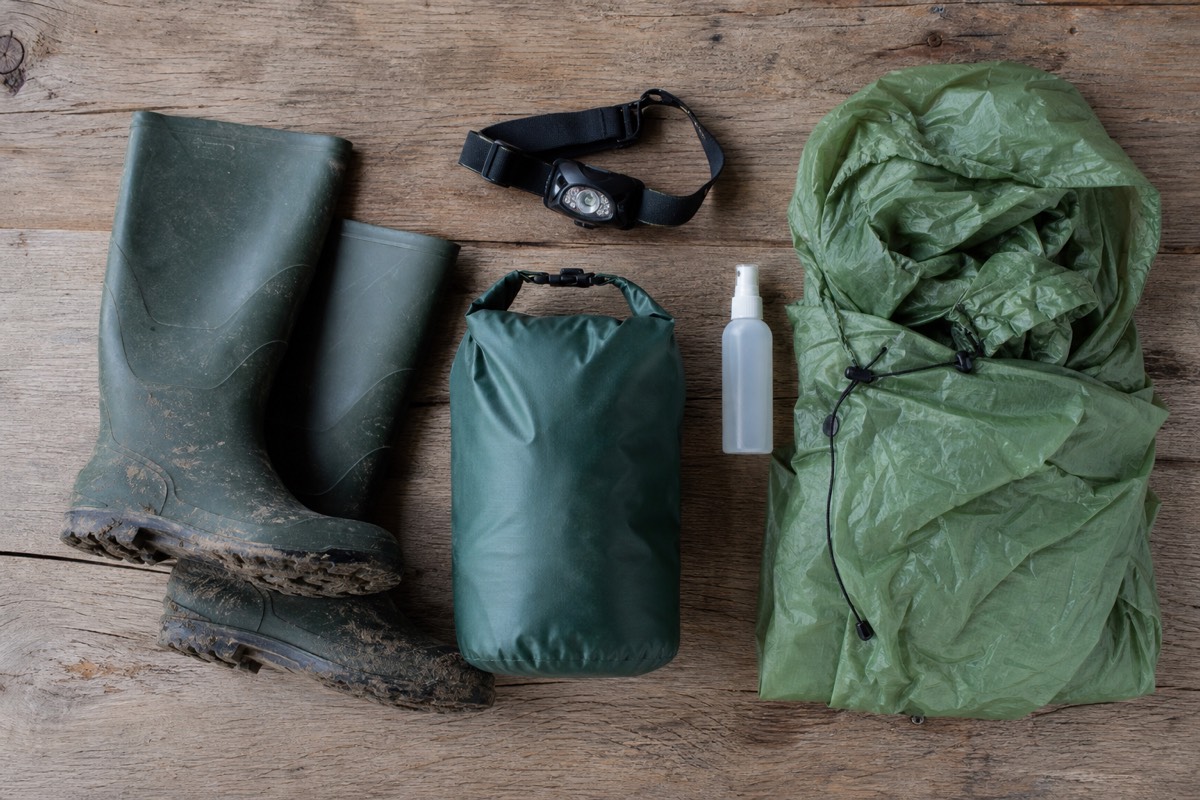
| Footwear | Closed-toe shoes with grip (light hiking shoes or trail runners), plus sandals or flip-flops for the lodge and shower; rubber boots are commonly provided by lodges, confirm sizing when booking | Muddy trails and wet decks; open shoes are not workable on jungle walks |
| Insect protection | Repellent with 30 to 50 percent DEET for skin and clothing | Mosquitoes and sandflies here are intense, particularly at dusk and dawn |
| Sun protection | Waterproof sunscreen SPF 50 or higher, reapplied every 2 hours, SPF lip balm, polarised sunglasses | Reflection off the water intensifies burn and glare far beyond what the sky suggests |
| Gear | Binoculars, headlamp or torch with spare batteries, power bank, small dry bag or waterproof phone case, 1 to 1.5 litre reusable bottle, small daypack | Wildlife viewing at distance, night excursions, limited charging at remote lodges, spray on every boat transfer |
| Health | Personal medications, small first-aid kit with blister plasters, painkillers, antihistamine and anti-diarrhoea tablets | Lodges are hours from a pharmacy by boat |
| Money | Cash in small USD notes, roughly $5 to $20 denominations | Tips for guides, boat crew and lodge staff; card payment is not reliable outside the city |
What clothing actually works in this climate?
Lightweight, quick-dry, long-sleeved and loose, in neutral colours. Roll-up sleeves give you flexibility on the boat, and trousers you can tuck into socks close the gap insects target most. Skip jeans and heavy cotton entirely: once soaked, they stay soaked for a full day in this humidity.
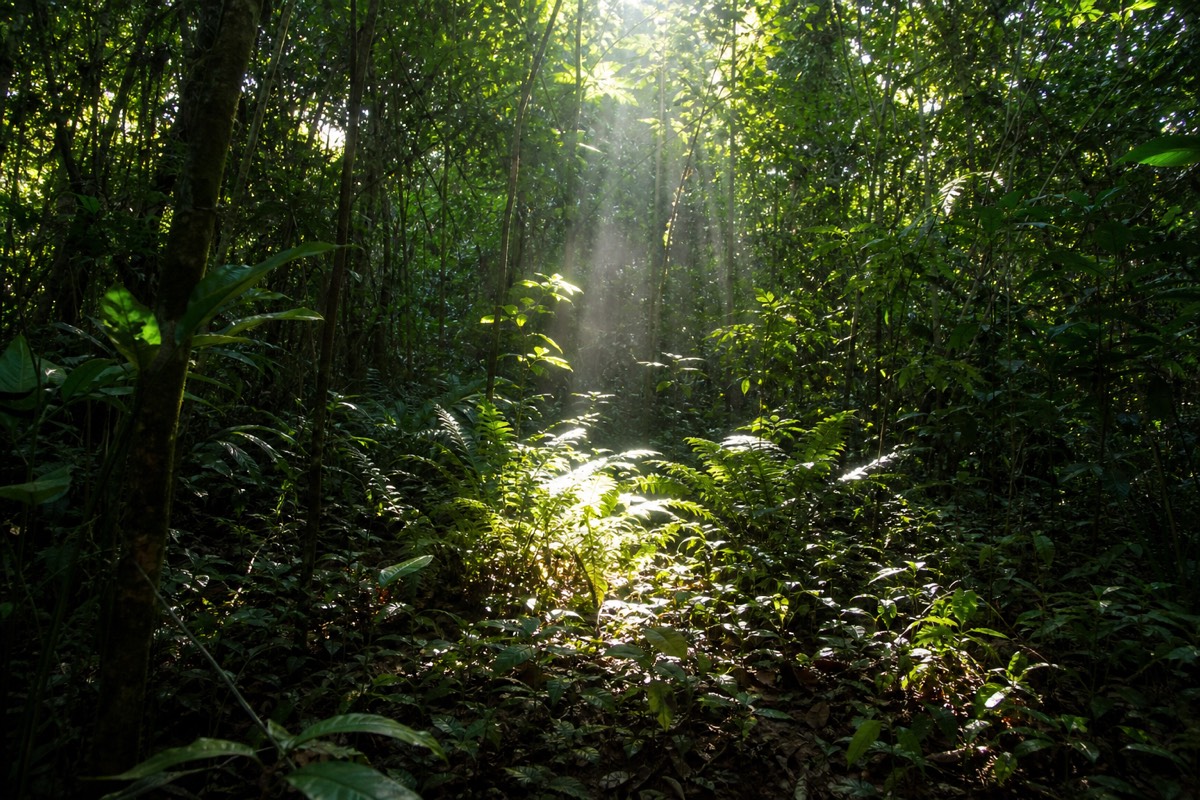
Four to six shirts and the same number of trousers sounds like a lot for a three-day trip. It is not, because you will change more often than you expect and nothing dries fast in ambient air. Most lodges offer laundry, so a 5 or 7 day trip runs on the same three-day rotation.
Two or three t-shirts cover evenings inside the lodge, where screening handles the insects. Keep one full set of dry clothes sealed in a bag for arrival at camp; it is the difference between a good first night and a damp one.
How do you handle insects and sun properly?
Repellent with 30 to 50 percent DEET, applied to exposed skin and to clothing, is the standard here rather than an upgrade. Pair it with SPF 50 or higher waterproof sunscreen reapplied every two hours, SPF lip balm and polarised sunglasses, because glare off the river burns and tires you in ways shade never warns you about.
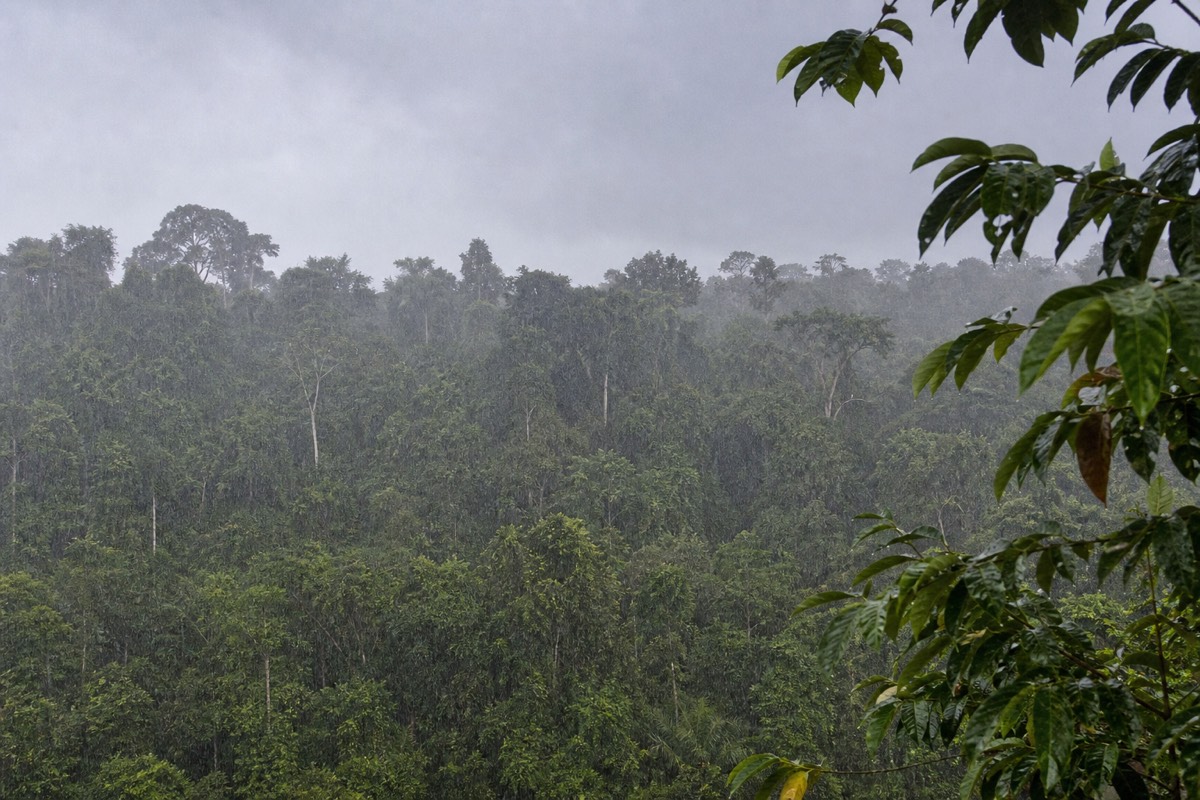
Timing matters as much as product choice. Mosquitoes and sandflies peak at dusk and dawn, exactly when the best wildlife activity happens, so the answer is coverage rather than avoidance. Reapply before the sunset boat trip, not after you have been bitten.
Polarised lenses do double duty. They save your eyes across a three or four hour boat day, and they cut surface reflection enough that you actually see caimans and dolphins breaking the water rather than a sheet of white light. On Amazon night walks a headlamp replaces all of it, and spare batteries are not optional at a lodge on limited generator hours.
How much cash should you bring for tipping?
Plan on roughly $10 to $20 per day in total across guides, boat crew and lodge staff, in small USD notes of $5 to $20. Bring it with you from Iquitos or Lima, because remote lodges have no cash machines and card acceptance outside the city is unreliable.
Split it as you see fit. Many lodges run a tip box that handles the division between guide, boat crew and kitchen staff, so ask on arrival rather than guessing on the last morning. Add a buffer beyond tipping for crafts at community stops, drinks outside the all-inclusive package, and anything you want in the city, since Belén Market runs on cash entirely.
Does the packing list change between high water and low water?
The core list stays the same, since it is hot and humid year-round. Low water from May to October adds an extra long-sleeve layer for cooler evenings and heavier repellent use at dusk and dawn. High water from November to April adds a proper rain poncho and pushes everything toward quick-dry fabrics, because showers are frequent.
| Season | Conditions | What to add |
|---|---|---|
| Dry season, May to October | Lower rivers, sunnier days, cooler evenings | An extra long-sleeve layer for nights, strong repellent for peak dusk and dawn mosquito activity |
| Wet season, November to April | High water, frequent heavy showers, more insects | Rain poncho plus rain jacket, quick-dry everything, extra repellent, more dry-bag capacity |
Neither season is a bad time to go, they simply produce different trips. If you have not fixed dates yet, work out the best time to visit the Iquitos Amazon first, because the water cycle changes which activities dominate your itinerary and therefore what you will be wearing most.
What should you leave behind?
Leave the hard suitcase, bright clothing, jeans, and any electronics you would be upset to lose to humidity or spray. Small aircraft and boat transfers have weight and space limits, so pack into a soft duffel that can be squeezed into a hull rather than a rigid case that cannot.
Hairdryers and full-size toiletries are wasted weight at a lodge with limited power. Bring travel sizes and biodegradable soap where you can, since grey water at remote lodges runs closer to the river system than it does at home.
One genuine warning about electronics: spray on a fast boat is constant and rain arrives without notice. A dry bag is the cheapest insurance on this list, and if you plan on swimming in the Amazon river at a spot your guide approves, it keeps everything else usable while you are in.
Does the packing list change by tour length?
Short trips need less of everything except protection. A 2-day lodge stay can run on one clothing rotation, a 4-day trip benefits from laundry, and the 6-day camping expedition demands the most self-sufficiency, since jungle camping has no laundry service and no reliable charging.
Among the trips listed here, the 4-day, 3-night Amazon rainforest tour at $375 (4.8 stars, 468 or more bookings) sits in the sweet spot where the list above works as written. The 2-day Maniti Eco-Lodge tour at $305 (4.6 stars, 878 or more bookings) needs roughly half the clothing. The 6-day camping expedition at $909 (4.3 stars, 310 or more bookings) is the one to over-prepare for: extra socks, extra batteries, more repellent than you think, and a second dry bag.
Whichever length you choose among Iquitos Amazon tours, confirm two details before you finish packing: whether rubber boots are provided and in what sizes, and whether laundry is available. Those two answers change the volume of your bag more than anything else on the list.
You can line every itinerary up side by side on our Iquitos Amazon Tours before deciding which one fits your dates.