Can You Swim in the Amazon River? Is It Safe?
The question comes up on almost every jungle trip, usually around the second afternoon when the heat has stopped being charming. The short answer is yes, in the right places, with a guide who picks them. The longer answer is more interesting than the piranha movies suggest.
For a paid experience alongside this guide, forest walks, a night boat outing and dolphin watching from a lodge base. Meals, guide and round-trip airport transfers included. Explore Muyuna: 3 days / 2 nights
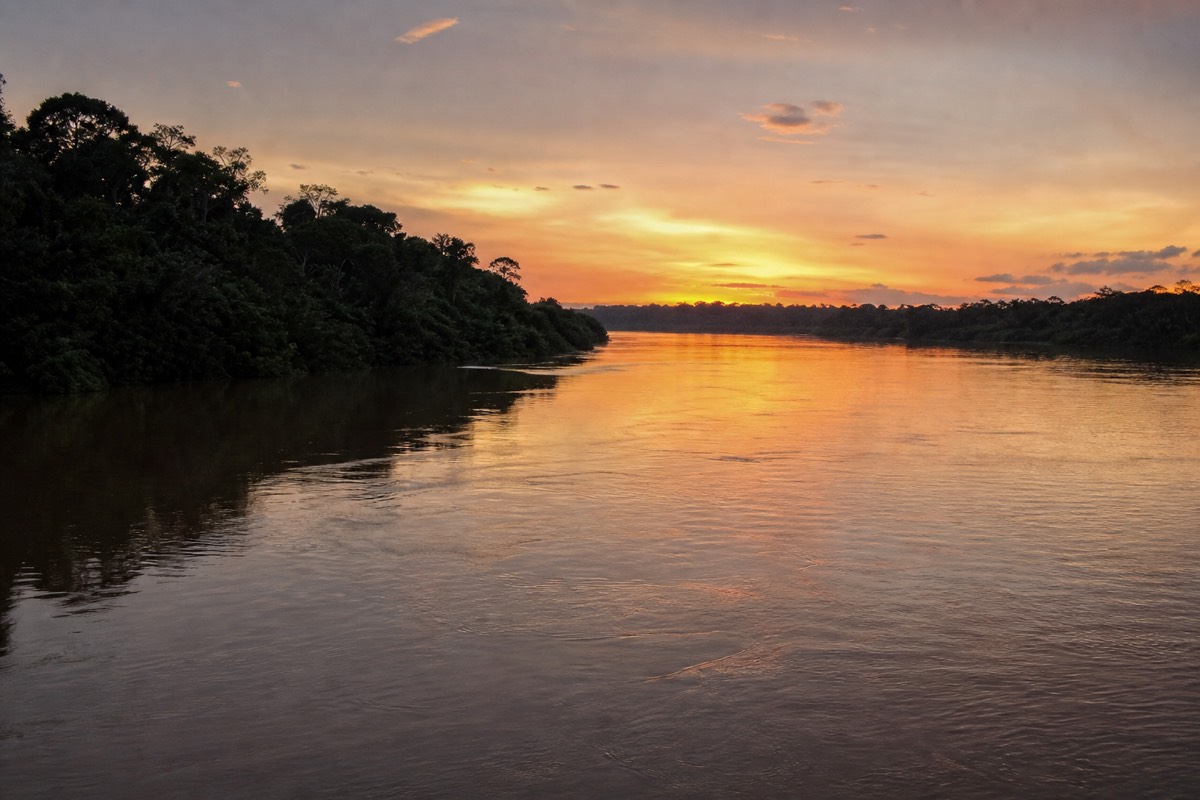
Pricing note: figures in the original guide are illustrative historical examples, not current quotes. No independent wildlife sighting percentages or safety/welfare certification are verified. Use the dated provider options below to compare current details.
Somebody always asks. Usually it happens on the second afternoon, when the air is thick, the boat has stopped in a quiet side channel, and the water below looks less like a nature documentary and more like relief. The guide either nods or does not, and that single decision is basically the whole answer to whether swimming in the Amazon is safe.
Because this is not a yes or no question about a river. It is a question about a specific stretch of water, on a specific day, at a specific water level, with someone who knows it standing next to you.
People do swim in the Amazon basin near Iquitos, and it happens informally on plenty of lodge-based trips. It happens in calm, guide-selected spots on tributaries and blackwater channels, not usually in the fast, silty main channel of the Amazon itself. Piranhas are not the risk the films sold you. Current, boat traffic and caimans are what a guide is genuinely watching for.
Booking choice: Muyuna: 3 days / 2 nights. Forest walks, a night boat outing and dolphin watching from a lodge base. Meals, guide and round-trip airport transfers included.
Discover Muyuna: 3 days / 2 nightsCan you actually swim in the Amazon river near Iquitos?
Yes, in selected places. Guides on multi-day trips regularly stop at calm side channels, blackwater lakes and sheltered beaches where swimming is normal and safe enough that lodge staff swim there too. The wide, fast, sediment-heavy main channel of the Amazon is a different matter and is generally not where anyone goes in.
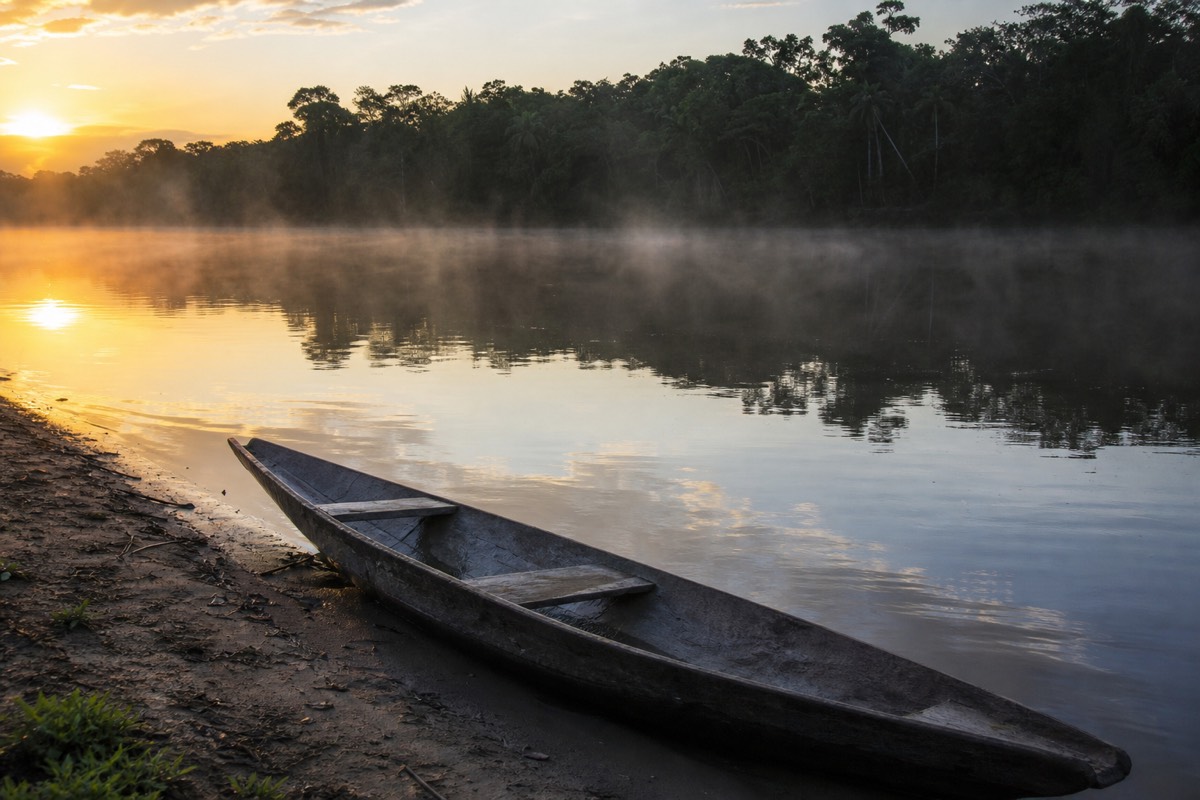
The distinction matters more than people expect. The Amazon proper near Iquitos is a working river: strong current, heavy silt, floating debris after rain, and river traffic ranging from dugout canoes to cargo boats. Its tributaries and backwaters behave completely differently. The Nanay and various blackwater lakes run clearer, slower and warmer, and those are the places where a stop for a swim is a normal part of the day.
Whether it happens on your trip depends on the operator, the season and the guide. It is rarely a listed activity with a fixed time slot. It is the thing that happens when conditions line up and someone asks.
Are piranhas actually dangerous to swimmers?
No, not in the way popular culture insists. Piranhas in these waters are small fish, and local people, guides and lodge staff swim in the same rivers where piranhas live, routinely and without drama. The feeding-frenzy image comes from film, not from how these fish behave around swimmers.
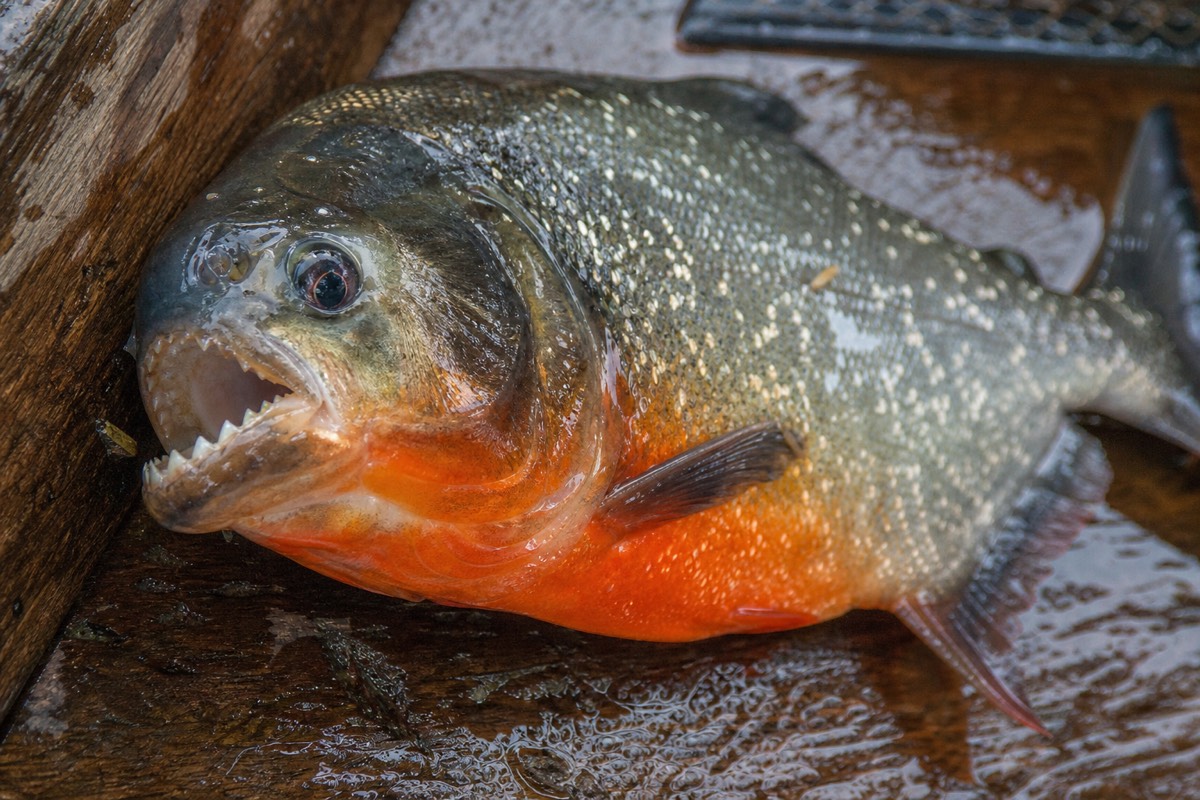
Our own piranha fishing tour exists precisely because catching them is a light, family-friendly two-hour activity rather than a stunt. Guests handle the catch under guide supervision and nobody treats it as a hazard. If you want the full picture on that, we cover whether is piranha fishing safe in a separate piece.
Sensible caution still applies. Do not swim with an open cut, do not thrash around near where fish are being cleaned or gutted, and follow whatever the guide says about a particular spot. Those are the same rules a local family follows, and they are the reason the question almost never becomes a story.
What about candiru and the other Amazon horror stories?
The candiru legend is one of the most persistent pieces of travel folklore in South America, and it colours how a lot of visitors feel about the water. Guides who work these rivers daily treat it as folklore rather than a live safety concern, and choose swimming spots based on current, depth and wildlife instead.
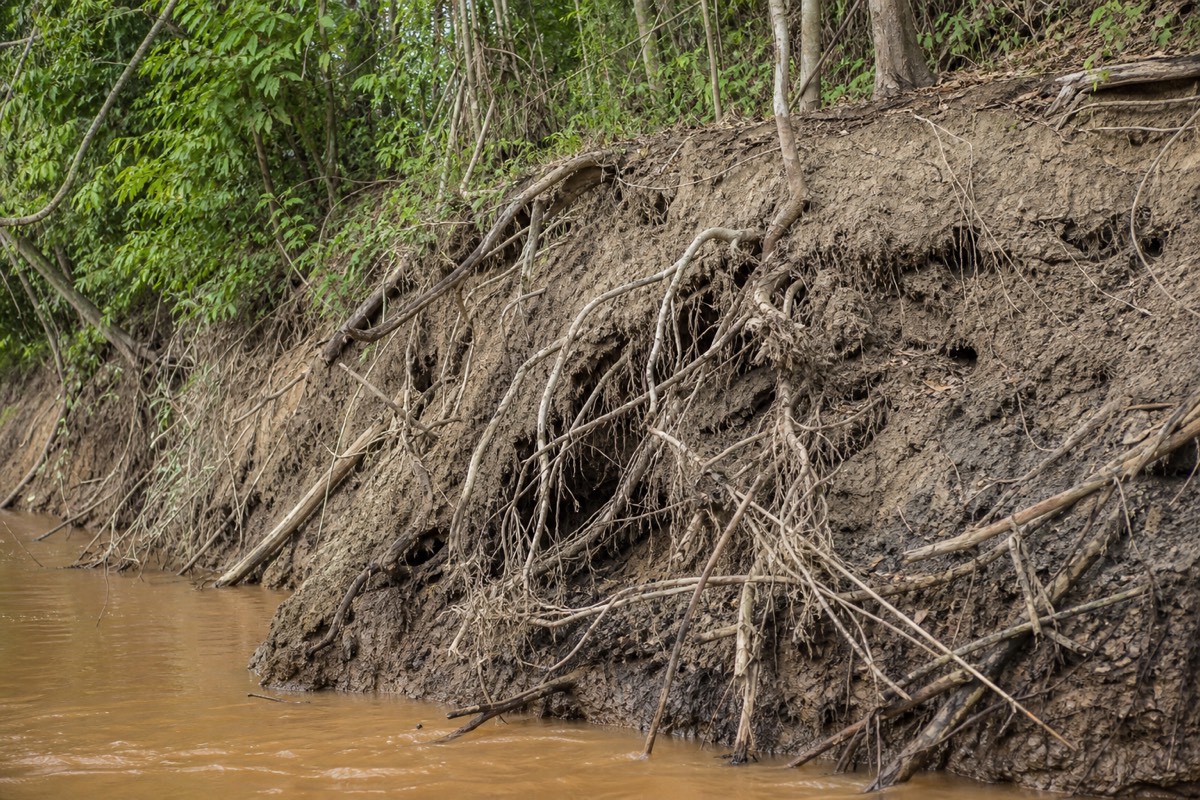
The practical version of this is simple. Wear a swimsuit, get in where your guide gets in, and stop worrying about the story your cousin told you. The Amazon has real hazards, and the reason they get less airtime than the imaginary ones is that they are less cinematic: a stronger current than it looks, a submerged branch, a sudden drop-off, sunburn on the water.
What are the real considerations a guide is managing?
Current strength, water depth and clarity, boat traffic, and whether large caimans are known to use that stretch. Those four things decide the answer, and they change with water level, time of day and recent rain. A guide saying no to one spot and yes to another an hour later is doing the job correctly.
| Consideration | Why it matters | How guides handle it |
|---|---|---|
| Current | The main channel moves faster than it appears from a boat | Swimming happens in slow side channels and lakes |
| Caimans | Black caimans grow large and are most active after dark | Daylight only, known stretches only, never at night |
| Boat traffic | Cargo and speedboats cannot stop or see swimmers easily | Away from shipping lines and lodge landings |
| Visibility and depth | Silty water hides branches and drop-offs | Spots the crew already knows, entry from the boat or a beach |
| Water level | High water changes currents and floods new terrain | Season-dependent calls, see the low-water months |
Caimans deserve one honest sentence. They are present, they are common enough that spotting them is a near-certain part of any trip, and they are overwhelmingly nocturnal hunters. That is exactly why nobody swims after dark, and why a caiman search by spotlight is an evening activity done from a boat. If night-time river life interests you, our piece on Amazon night walks covers what comes out once the light goes.
When during the year is swimming most likely?
Low water, roughly June to October, gives the calmest conditions, exposed river beaches and the easiest swimming stops. High water from December to May floods the forest, moves current in less predictable ways and reduces the number of places a guide will happily stop.
That mirrors the pattern for most other activities. Low-water months concentrate wildlife, open every trail, and leave sandy banks that make a natural entry point. No independently measured sighting rate is verified for this guide; encounters depend on the route, conditions and wild animals. Swimming near wild dolphins raises real ethical questions about habituating wild animals, and we treat that separately in our piece on whether swimming with the pink dolphins ethical practice actually is.
If your dates are still flexible, the wider seasonal picture is in our guide to the best time to visit the Iquitos Amazon.
How do you swim sensibly in the Amazon?
Get in where the guide gets in, stay in the group, keep it short, and treat the river with the same respect you would give any wild waterway with a current. Nobody swims at night, nobody swims alone, and nobody swims after a heavy rain has pushed debris into the channel.
Beyond that, the practical stuff is unglamorous. Sun reflects hard off water, so sunscreen before you get in and a shirt if you are in for a while. Rinse off afterwards at the lodge. Leave your watch and phone in the boat, ideally in a dry bag. Expect the water to be warm, brown or tea-coloured rather than clear, and expect it to feel completely different to a swimming pool, which is rather the point.
For most people the swim ends up being a small moment inside a much bigger trip: twenty minutes floating in a channel while kingfishers work the far bank. That is what the jungle tours from Iquitos on this site are built around, and what you will actually see is covered in our rundown of the wildlife you'll actually see out here.
Everything here feeds into choosing among our Iquitos Amazon Tours, from short river trips to deep jungle stays.