Piranha Fishing in the Amazon: Is It Safe, and Can You Eat Them?
Piranha fishing is the activity people assume will be the scary one and it turns out to be the relaxed one. Hand lines, a quiet channel, small silver fish, a guide doing the unhooking. Here is what actually happens, and yes, people do eat them.
For a paid experience alongside this guide, guided river fishing with artisanal gear and boat transport included. Explore Private piranha fishing: 2 hours
Pricing note: figures in the original guide are illustrative historical examples, not current quotes. No independent wildlife sighting percentages or safety/welfare certification are verified. Use the dated provider options below to compare current details.
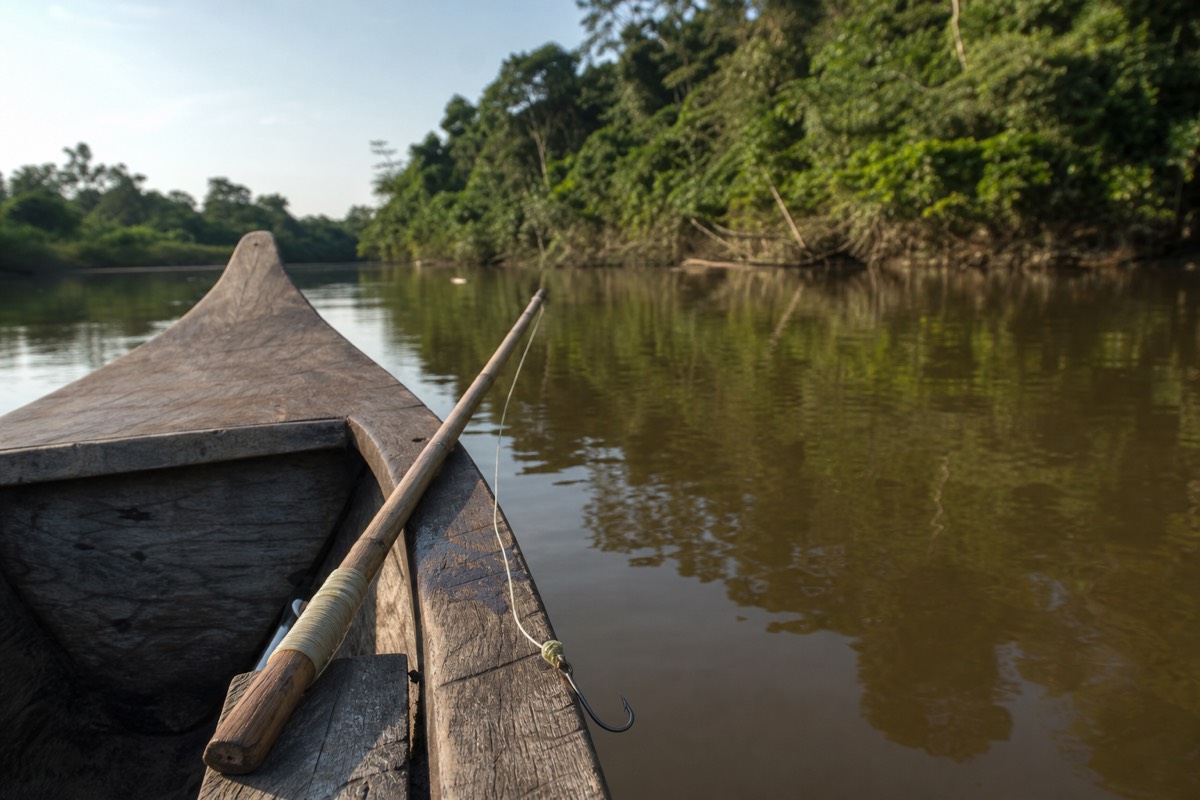
You get a stick with a line on it. Not a rod, not a reel, just a length of line, a hook, and a piece of meat. The guide slaps the water surface a few times, which sounds like something splashing and interests the fish, and then everybody in the canoe goes quiet and waits for the tug. That is piranha fishing near Iquitos. It is a great deal calmer than the name suggests.
Nobody warns you about the actual difficulty, which is that piranhas are very good at removing bait without getting caught. Most people lose several pieces of meat before they land anything, and the guide, who does not miss, will catch four while you are still working out the timing.
Piranha fishing is not dangerous. The fish are small, the activity is done from a stable boat or canoe with a guide handling the catch, and it is a standard family-friendly item on lodge itineraries throughout the Peruvian Amazon. And yes, piranha is genuinely eaten in the region, usually grilled or in soup.
Booking choice: Private piranha fishing: 2 hours. Guided river fishing with artisanal gear and boat transport included.
Discover Private piranha fishing: 2 hoursIs piranha fishing in the Amazon actually dangerous?
No. The piranhas caught on tours around Iquitos are small fish, typically hand-sized, and everything risky about handling them is managed by the guide. The real hazards of a fishing afternoon are sunburn and a hook, both of which are handled by a hat and paying attention.
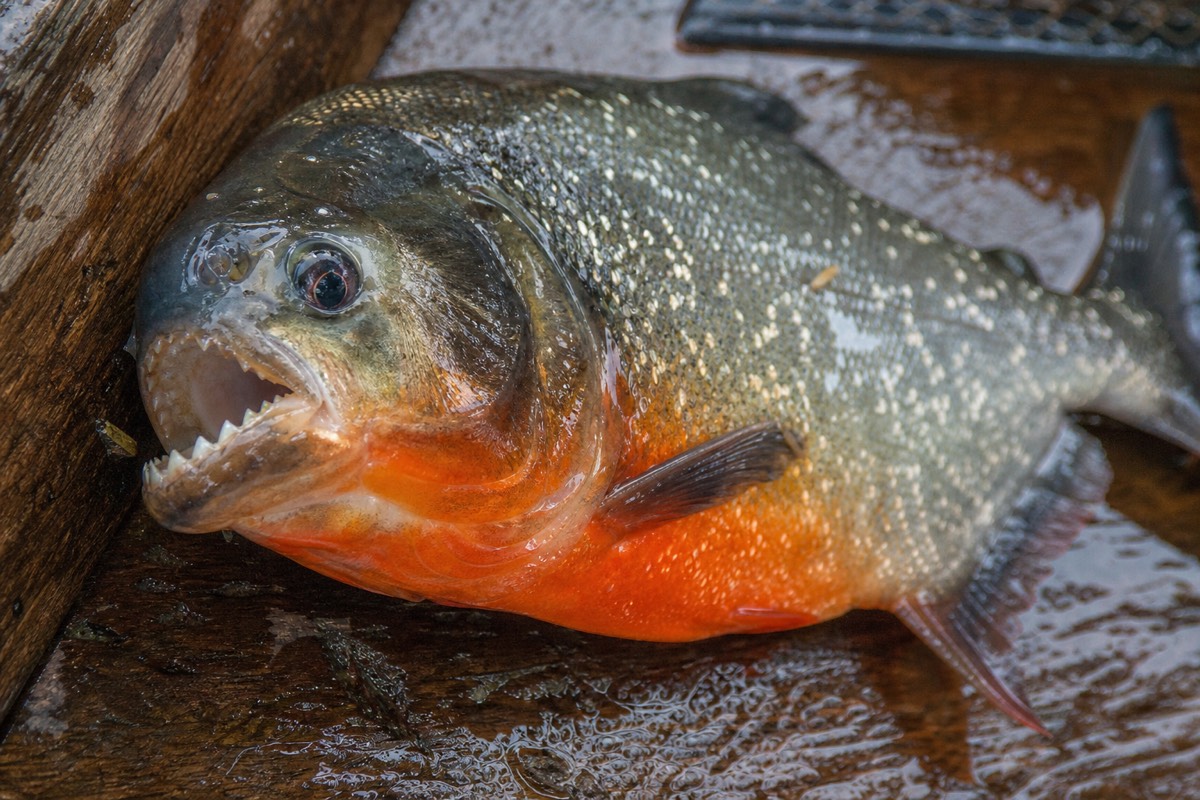
The reputation comes from film and from one badly aged bit of travel-writing folklore about rivers stripping cattle to bone. Real piranha behaviour is far more ordinary. They are opportunistic fish that mostly scavenge and take small prey, they are wary of large moving objects, and people swim in the same waters where they live, including local families and lodge staff. We go into that in more depth in our piece on swimming in the Amazon river.
Where you do need to respect them is out of the water. A landed piranha has genuinely sharp teeth and a strong bite, and it will use both on a finger given the chance. This is why guides unhook them rather than passing you the line and hoping. Follow that one rule and the activity is about as risky as fishing anywhere else.
| The myth | What is actually true |
|---|---|
| Piranhas swarm and strip anything in the water | They are opportunistic, mostly scavenge, and avoid large moving objects |
| You cannot enter water where piranhas live | Locals, guides and lodge staff swim in these rivers routinely |
| They are big fish | The ones caught on tours are typically hand-sized |
| Handling them is part of the thrill | Guides unhook them, because the bite out of water is real |
What happens on a piranha fishing tour from Iquitos?
The dedicated Amazon Jungle Piranha Fishing Tour from Iquitos runs about two hours, costs $88, holds a 4.7 star rating and has been booked more than 307 times. You head out by boat to a calm channel, fish with simple hand lines, and come back. It is short, low-effort and easy to slot into a day in the city.
The format is deliberately simple. A boat takes you out of the city into quieter water where the current slows and the fish hold. Bait is small pieces of meat. Technique is a short drop, a still hand, and a fast lift when you feel the pull. Guides pick the spot based on where the fish have been feeding recently, which is most of the skill involved.
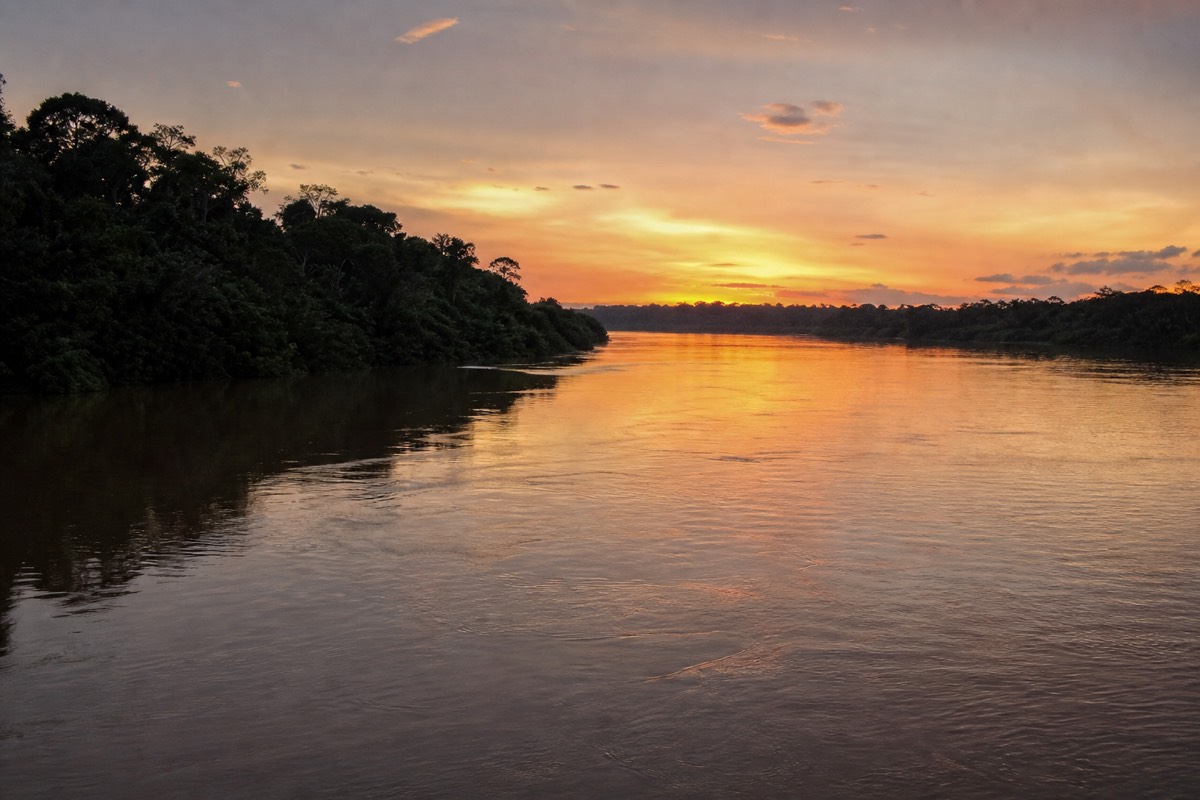
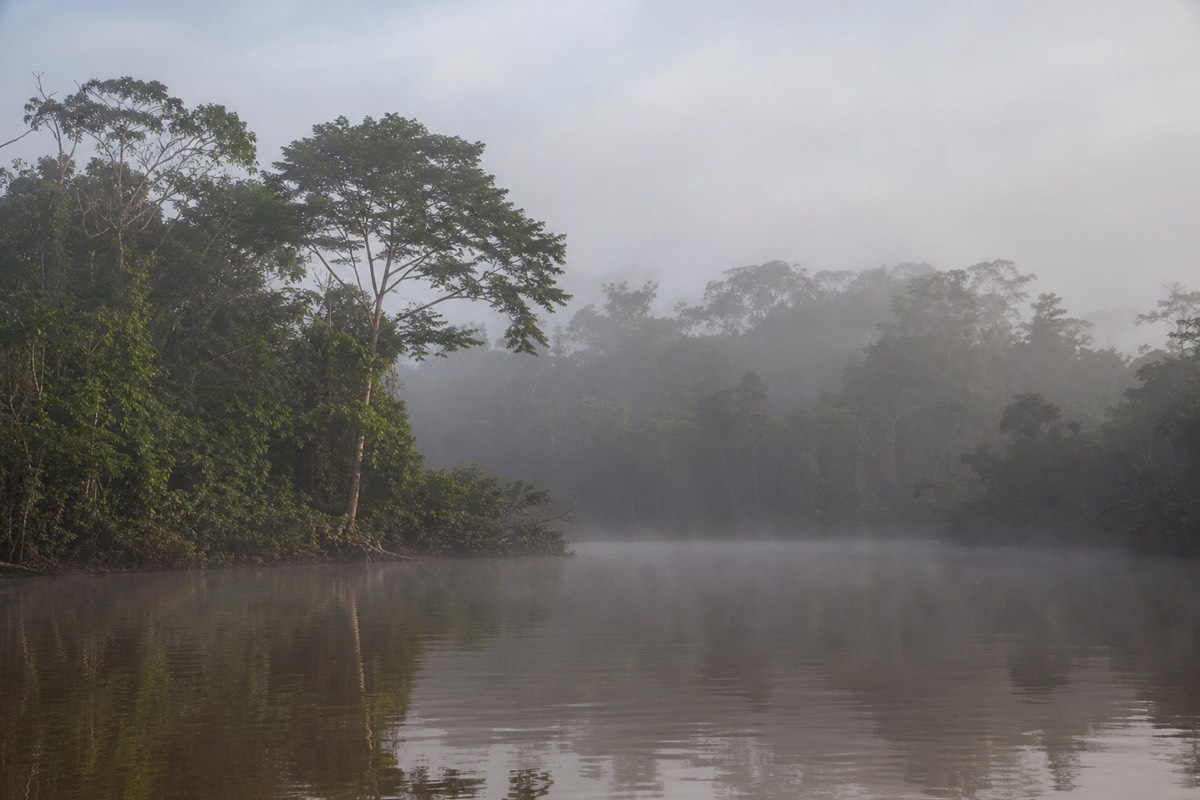
Piranha are far from the only thing in view. These are the same channels where kingfishers work the banks, hoatzin sit in the riverside brush and, with reasonable luck, pink river dolphins surface nearby. The fishing is the excuse; the two hours on the water are the actual product.
| Detail | Piranha fishing tour from Iquitos |
|---|---|
| Duration | Around 2 hours |
| Price | $88 |
| Rating | 4.7 stars |
| Bookings | 307+ booked |
| Style | Hand-line fishing from a boat in calm channels |
Can you eat piranha?
Yes. Piranha is a genuine regional food across the Amazon basin, eaten in Peru, Brazil, Bolivia and beyond. It is most often grilled whole over coals or simmered into a broth, and it turns up on lodge tables and in riverside communities as an ordinary catch rather than a novelty.
The eating experience is honestly mixed, and anyone who tells you otherwise is selling something. Piranha is white, firm and mild, closer to a small panfish than to anything dramatic. The catch is the bones. There are a lot of them, they are fine and awkward, and the flesh-to-effort ratio is poor compared with the larger river fish that dominate Amazonian cooking.
Whether you eat what you catch depends on the trip. Some lodge itineraries treat the catch as part of the evening meal, others release everything. Catch-and-release is common practice on short tours, and it is worth asking your guide what happens to the fish so you know what to expect. If regional food is what draws you, Iquitos has a much wider culinary story than piranha, from paiche to river snails, and that belongs with the rest of the things to do in Iquitos.
Do you need any fishing experience?
None at all. There is no casting, no reel and no equipment to learn. The guide hands you a baited line, shows you the wrist movement, and that is the entire tutorial. Children handle it easily, and plenty of people who have never fished before land the first catch in the boat.
Bring a hat, sunscreen and something with sleeves. You will be sitting still in an open boat with sun reflecting off the water, which burns faster than people expect. A dry bag for your phone is sensible in a small canoe. Our full what to pack list covers the rest of the jungle kit.
Should you add piranha fishing to a longer jungle trip?
It is already in most of them. Piranha fishing is one of the standard components of a multi-day lodge itinerary near Iquitos, sitting alongside morning birdwatching, jungle walks, oxbow lake excursions and a night caiman search by spotlight. The standalone two-hour tour exists mainly for people who only have a day in the city.
That makes the decision straightforward. If you are booking a three-day or longer lodge stay, the fishing comes with it and you do not need to add anything. If your Amazon time is a single afternoon between flights, the short tour is a genuinely good way to spend it, at a price that does not require much thought.
Either way, the fishing is a small piece of the picture. The night excursions are where the trip usually turns memorable, which we cover in our piece on Amazon night walks, and the realistic odds on everything else you might see are in our rundown of the wildlife you'll actually see. Both sit alongside the full range of Iquitos Amazon tours on this site.