Iquitos vs Puerto Maldonado: Which Amazon Gateway Should You Pick?
Peru has two Amazon front doors and they suit very different trips. One is a road-free city in the north reached only by air from Lima. The other sits a short hop from Cusco. Here is how to tell which one belongs on your itinerary.
For a paid experience alongside this guide, forest walks, a night boat outing and dolphin watching from a lodge base. Meals, guide and round-trip airport transfers included. Explore Muyuna: 3 days / 2 nights
Pricing note: figures in the original guide are illustrative historical examples, not current quotes. No independent wildlife sighting percentages or safety/welfare certification are verified. Use the dated provider options below to compare current details.
Two cities in Peru sell themselves as the door to the Amazon, and they sit about 1,500 kilometres apart with completely different approach routes. Iquitos is in the north, in Loreto, with no road connection to anywhere. Puerto Maldonado is in the south, in Madre de Dios, an easy hop from Cusco and reachable by highway. Travellers regularly agonise over the choice, and most of the agonising is unnecessary once you look at where else you are going in Peru.
This site sells trips from the northern gateway, so let us put the bias on the table straight away. We are not going to argue that Iquitos is objectively better, because it is not. The two regions hold different ecosystems, suit different itineraries, and produce different highlight reels. What we can do is lay out the real differences honestly enough that you can pick the one that matches your trip.
Quick answer: If Machu Picchu and Cusco are already on your itinerary, pick Puerto Maldonado. It is a short flight or a road journey from Cusco and slots into a two-week Peru circuit without much friction. If the Amazon is the point of the trip, or you are flying from Lima and want the flooded-forest ecosystem, pink river dolphins and access toward Pacaya-Samiria, pick Iquitos.
Booking choice: Muyuna: 3 days / 2 nights. Forest walks, a night boat outing and dolphin watching from a lodge base. Meals, guide and round-trip airport transfers included.
Discover Muyuna: 3 days / 2 nightsIquitos vs Puerto Maldonado at a glance
Northern figures come from this site's own tour and logistics data. Southern-region entries are general geography, not operator pricing we book.
What is the actual difference between Iquitos and Puerto Maldonado?
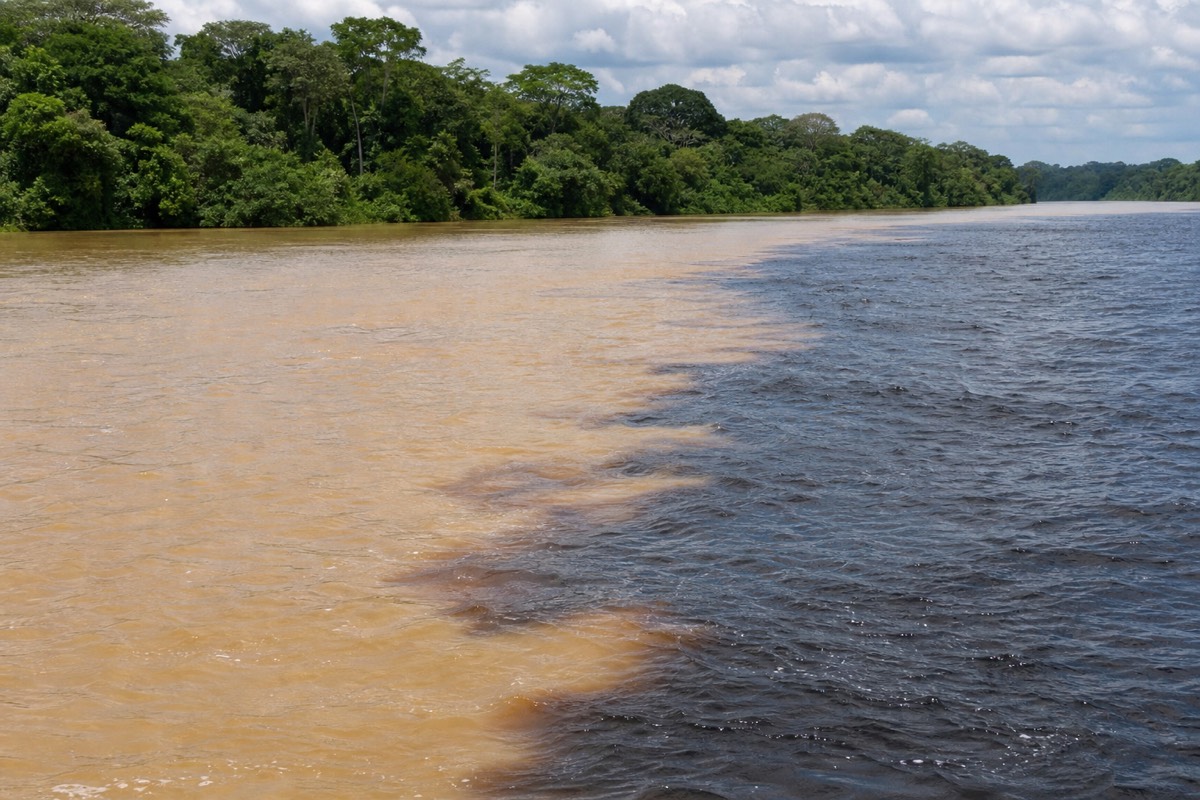
Geography, mostly. Iquitos sits in the northern Amazon lowlands at the confluence of three big rivers, isolated from the Peruvian road network entirely. Puerto Maldonado sits in the southern Amazon near the Andean foothills, connected by highway to Cusco. That difference drives the ecosystem, the wildlife emphasis and the shape of your itinerary.
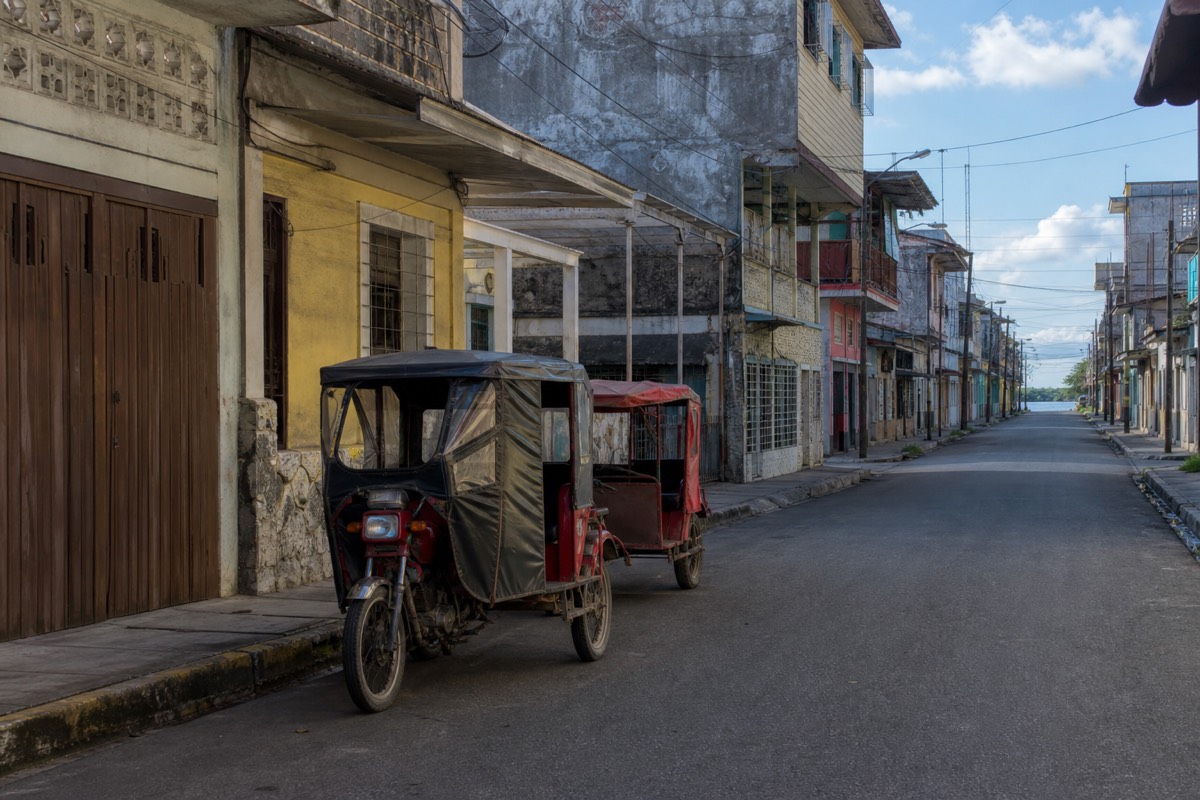
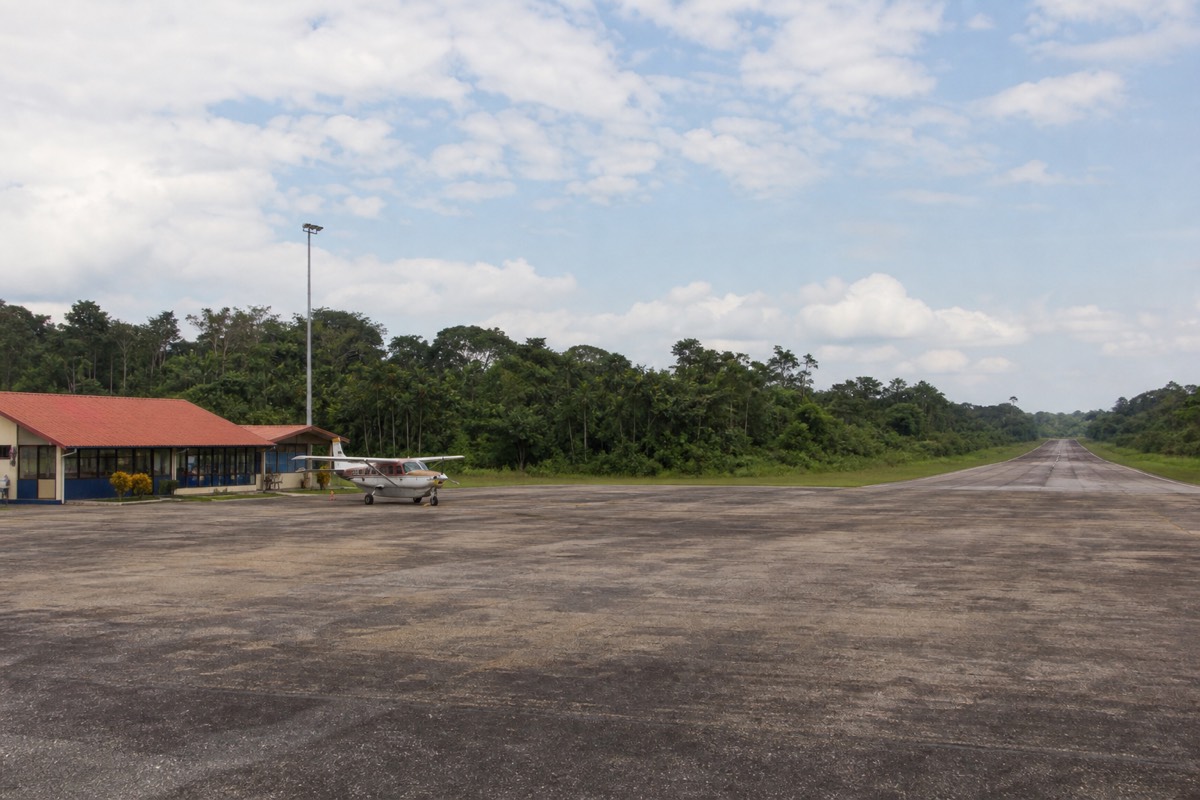
Iquitos is the largest city in the world with no road access to the outside world. It sits at roughly 100 metres above sea level where the Amazon, Nanay and Itaya rivers meet, and the only practical way in is a flight into Francisco Secada Vignetta International Airport. That isolation is not a marketing line, it is the operating condition of the whole region: everything arrives by plane or by river barge, and the forest downstream has never had a road cut into it.
Puerto Maldonado is the capital of Madre de Dios, on the confluence of the Madre de Dios and Tambopata rivers, and it is joined to Cusco by the Interoceanic Highway. It has its own airport with connections from Lima and Cusco. The southern forest here is a mix of terra firme rainforest, bamboo stands, oxbow lakes and the famous clay licks along the riverbanks. Being closer to the Andes gives it a slightly different species mix and, occasionally, cool southerly weather fronts that push temperatures down for a day or two.
Both cities are genuinely Amazonian. Both are hot, humid, motorbike-dominated and a little chaotic. Neither is where you spend your time. The question is what the forest beyond each one looks like and how much of your holiday the journey eats.
How do you get to each one, and what does the journey cost you in time?
Iquitos is a direct flight from Lima of around 1 hour 45 minutes, with fares typically running USD 80 to 250 one way. Puerto Maldonado is most commonly reached from Cusco, either by a short flight or overland on the Interoceanic Highway, and it also has direct connections from Lima.
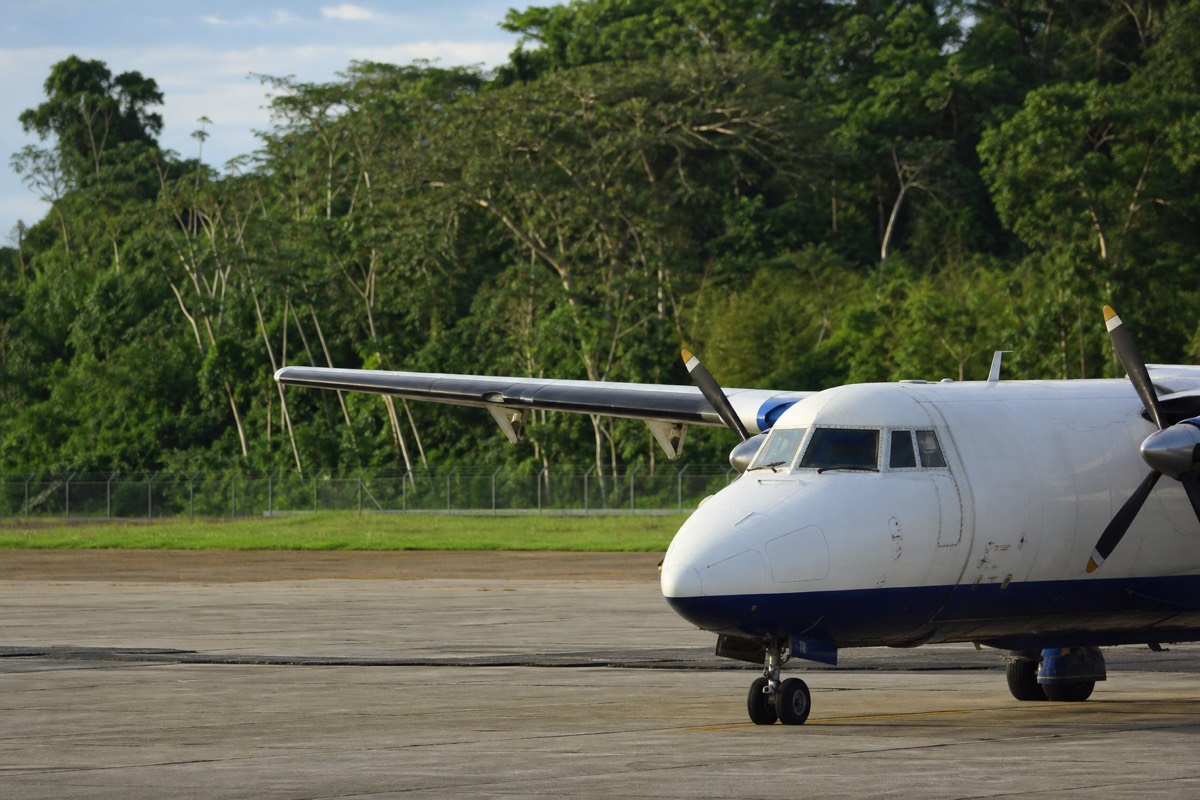
The important variable is not the flight itself, it is where you already are. If your Peru trip is anchored on Cusco, the Sacred Valley and Machu Picchu, then Puerto Maldonado is right there and adding three or four Amazon days barely disturbs the plan. If you are starting or ending in Lima and treating the rainforest as the main event, Iquitos is the straightforward option and you never have to route through the Andes at all.
There is also a slow route into Iquitos worth knowing about, even if few travellers take it. Cargo and passenger river boats run from Pucallpa or Yurimaguas, taking 3 to 7 days, costing roughly USD 30 to 100 for a hammock spot on deck or USD 150 to 300 for a cabin. It is uncomfortable, unscheduled and genuinely memorable. Most people fly, and the guide on how to get to Iquitos goes through both options properly.
| Access question | Iquitos | Puerto Maldonado |
|---|---|---|
| Region | Loreto, northern Peru | Madre de Dios, southern Peru |
| Road connection | None. No road links the city to the rest of Peru | Yes, the Interoceanic Highway from Cusco |
| From Lima | Direct flight, around 1h45, USD 80 to 250 one way | Direct flights operate, many routings connect via Cusco |
| From Cusco | Requires a connection, usually via Lima | Short direct flight, or overland by road |
| Alternative route | River boat from Pucallpa or Yurimaguas, 3 to 7 days | Bus or private transfer from Cusco |
| Onward transfer to lodge | 30 minutes to 3 hours by boat, longer for remote reserves | Typically boat along the Madre de Dios or Tambopata |
| Itinerary cost | Best as a dedicated Amazon leg from Lima | Slots into a Cusco-based circuit with minimal detour |
Which reserves and protected areas does each gateway open up?
Iquitos is the gateway to Pacaya-Samiria National Reserve, Peru's largest protected area and one of the great flooded-forest systems on the continent. Puerto Maldonado is the gateway to Tambopata National Reserve and, less directly, Manu National Park, both terra firme forests with heavy clay-lick activity.
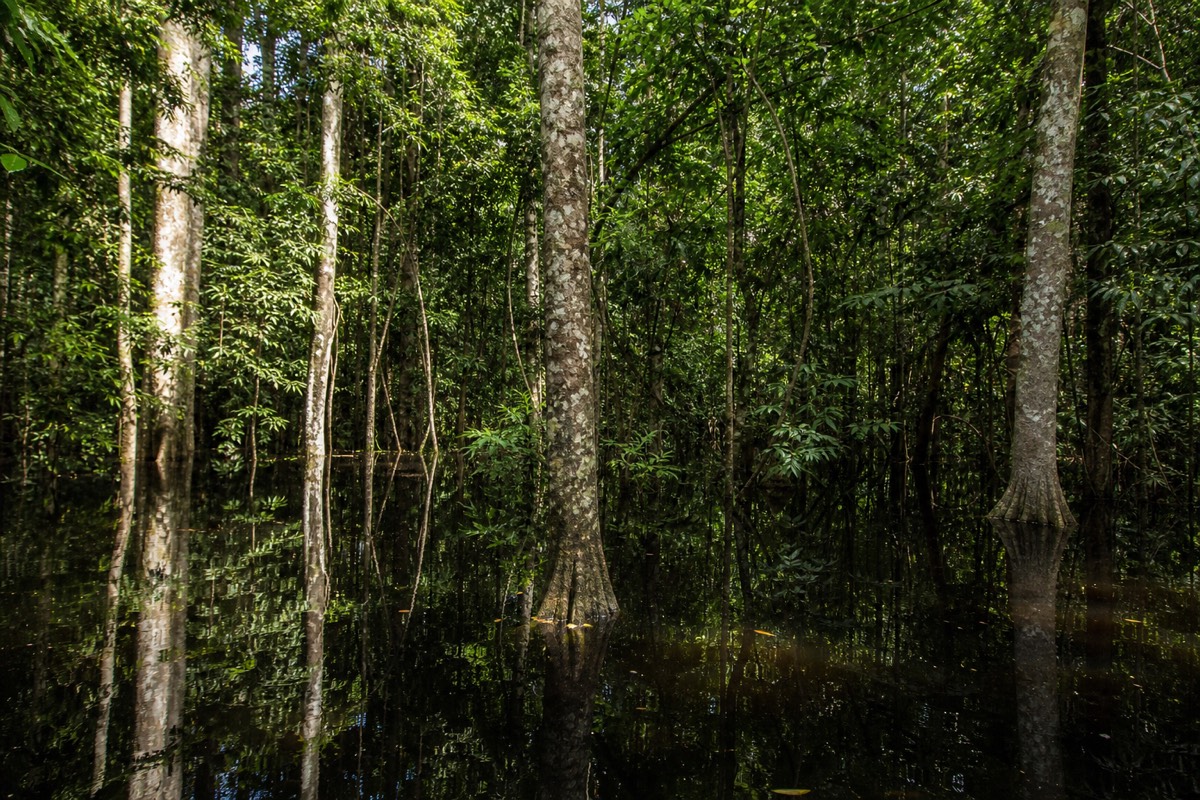
Pacaya-Samiria occupies the low ground between the Maranon and Ucayali rivers, and it is managed by SERNANP. Its defining feature is varzea, seasonally flooded forest, where rising water pushes the river up into the trees and you paddle a canoe through what is dry forest floor in another month. Nothing in the southern Peruvian Amazon does that on the same scale.
Tambopata, reached from Puerto Maldonado along the Tambopata river, is smaller but very well set up for visitors, with a long-standing research presence and lodges at various distances upriver. Manu is larger, wilder and generally reached on longer overland-plus-river itineraries out of Cusco rather than as a quick add-on. Both areas are known for their macaw and parrot clay licks, riverbank walls of exposed clay where large numbers of birds gather in the early morning.
| Iquitos side | Puerto Maldonado side | |
|---|---|---|
| Flagship protected area | Pacaya-Samiria National Reserve | Tambopata National Reserve |
| Second area | Allpahuayo Mishana, white-sand forest near the city | Manu National Park, usually a longer separate trip |
| Dominant habitat | Varzea, seasonally flooded forest, blackwater channels | Terra firme rainforest, bamboo, oxbow lakes |
| Main rivers | Amazon, Maranon, Ucayali, Nanay, Itaya | Madre de Dios, Tambopata |
| Managing authority | SERNANP | SERNANP |
| Best-known set piece | Canoeing through flooded forest, dolphins in the channels | Dawn at a macaw clay lick, Sandoval Lake otters |
What wildlife is each region known for?
Both regions deliver monkeys, macaws, caimans and a long bird list. No independently measured sighting rate is verified for this guide; encounters depend on the route, conditions and wild animals. Puerto Maldonado is stronger for the concentrated clay-lick spectacle and has an established reputation for giant river otters on its oxbow lakes.
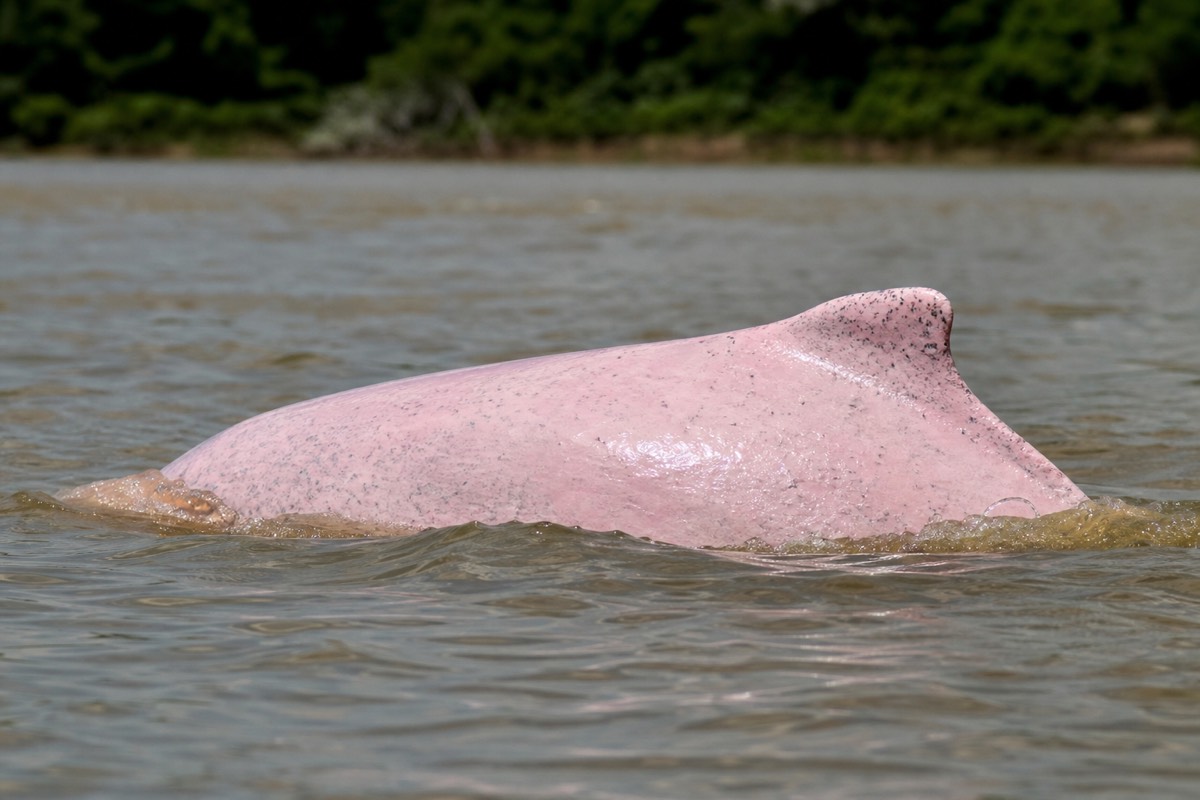
Be careful with any source that claims one region has categorically more wildlife. The northern Peruvian Amazon holds over 1,000 bird species and 300-plus mammals. The southern forests are comparably rich. What actually differs is which animals are easy to see, and that comes down to habitat structure rather than raw biodiversity.
Water is the honest differentiator. The Iquitos river system is enormous, and pink river dolphins are resident year-round in high density, curious about boats, and often surface within metres of a drifting canoe. On a well-run multi-day trip they are close to a certainty in the dry months. In the south you are on narrower rivers, further from the main Amazon channel, and dolphins are not the headline act.
Conversely, the southern clay licks put on a show that the north matches only where an operator has access to a specific colpa. Hundreds of macaws and parrots at a riverbank wall in the first two hours after dawn is a genuine spectacle and one of the reasons Tambopata built its reputation.
| Wildlife highlight | Iquitos region | Puerto Maldonado region |
|---|---|---|
| Pink river dolphins | Not independently measured | Not a regional headline |
| Monkeys, several species | Not independently measured | Widely seen, strong species list |
| Macaw clay lick | Where the operator has access to a colpa | A defining regional attraction |
| Giant river otters | Not independently measured | Long-established on Sandoval Lake and similar lakes |
| Caimans at night | Not independently measured | Commonly seen |
| Sloths | Not independently measured | Seen, less of a marketing focus |
| Jaguar | Not independently measured | Rare, riverbank sightings possible |
| Flooded-forest canoeing | The signature experience in high water | Limited by comparison |
For a fuller species-by-species breakdown of the north, see the guide on wildlife you'll actually see, and the dedicated piece on pink river dolphins.
Which is easier to combine with Machu Picchu and Cusco?
Puerto Maldonado, without much argument. It is a short flight or a road journey from Cusco, so a three- or four-day jungle block drops into a Sacred Valley itinerary with almost no dead travel time. Reaching Iquitos from Cusco normally means connecting through Lima, which costs you the better part of a day in each direction.
This is the single most useful decision rule in the whole comparison, and it settles the question for a large share of first-time Peru visitors. A classic two-week Peru trip runs Lima, Cusco, Sacred Valley, Machu Picchu, then jungle. Under that plan the southern gateway is simply the efficient answer.
Where the logic flips is when the Amazon is not a side dish. If you have ten days and want them all in rainforest, if you are flying in and out of Lima, or if the flooded-forest ecosystem and the dolphins are specifically what you came for, then the northern gateway makes more sense and the Cusco proximity argument stops mattering.
| Your itinerary | Better gateway | Why |
|---|---|---|
| Cusco, Sacred Valley, Machu Picchu, plus jungle | Puerto Maldonado | Short hop from Cusco, minimal added travel |
| Lima in and out, Amazon-focused trip | Iquitos | Direct 1h45 flight, no Andean detour |
| Amazon is the whole holiday, 7 days or more | Iquitos | Longer formats, deeper river access, more remote |
| Want pink river dolphins specifically | Iquitos | Highest densities in the basin, resident year-round |
| Want a macaw clay lick as the centrepiece | Puerto Maldonado | The region built its reputation on them |
| Only 3 days spare mid-itinerary | Puerto Maldonado | Travel overhead is lower from Cusco |
| Want a city with real character either side of the jungle | Iquitos | Rubber-boom architecture, Belen, river markets, food scene |
How do trip lengths and prices compare?
Southern-gateway trips are commonly sold as 3 or 4 day blocks because they are bolted onto a Cusco itinerary. Northern trips run longer, with 3 days as the popular entry point and 5 to 7 day formats widely available. On this site the multi-day range runs from $305 for two days up to $1,129 for seven.
We can only quote real prices for what we actually sell, so the table below is the northern side only. Southern lodge pricing varies widely by operator and distance upriver and we are not going to invent figures for a region we do not book.
| Format | Length | Price | Rating and bookings |
|---|---|---|---|
| Iquitos Amazon Day Tour with Wildlife | 8 hours | $121 | 4.8 stars, 303+ booked |
| 2-Day Maniti Eco-Lodge Jungle Tour | 2 days | $305 | 4.6 stars, 878+ booked |
| 3-Day Muyuna Eco Lodge Jungle Tour | 3 days | $539 | 5.0 stars, 311+ booked |
| Maniti Eco-Lodge 3-Day All-Inclusive | 3 days | $469 | 4.5 stars, 986+ booked, the most-booked trip here |
| Iquitos 4D/3N Rainforest Jungle Tour | 4 days, 3 nights | $375 | 4.8 stars, 468+ booked |
| Jungle Explorer Tour | 5 days, 4 nights | $360 | 4.9 stars, 457+ booked |
| 7-Day Amazon Jungle Adventure, Maniti | 7 days | $1,129 | 5 stars, 299+ booked |
Prices move, so treat those as planning allowances and check the live listing before booking. A fuller cost breakdown including flights, tips and gear is in the guide on how much an Iquitos Amazon tour costs.
When is the best time to visit each region?
Both sit in the tropics with hot, humid weather year-round, and both have a wet and a dry period. In the north the river's flood cycle matters more than rainfall: roughly December to May is high water, June to November is low water, with July to September the strongest window for wildlife.
In the north, low water concentrates animals around remaining channels and lakes, opens forest trails, and pushes dolphin sighting rates to their annual peak. High water floods the understory, spreads wildlife out, and turns the forest into something you paddle through rather than walk in. Neither is a bad season, they are different trips, and the guide on the best time to visit the Iquitos Amazon breaks it down month by month.
The southern Amazon runs a broadly similar dry-season pattern, with the additional quirk of occasional cold southerly air masses that can drop temperatures sharply for a day or two in the middle of the year. Clay-lick activity in the south is generally at its most reliable outside the heaviest rains.
| Period | Iquitos region | What changes |
|---|---|---|
| December to May | High water | Flooded forest canoeing, breeding birds, fewer visitors, often cheaper |
| June to November | Low water | Trails open, wildlife concentrated, best dolphin odds, peak season |
| July to September | Peak of low water | The most reliable wildlife window, book earlier |
| Any month | Hot and humid | Temperature is not the deciding factor, water level is |
What are the two cities themselves like?
Iquitos is the bigger and stranger of the two: a rubber-boom port with tiled mansions, a riverfront promenade, an enormous market district and streets dominated by three-wheeled motorcarts. Puerto Maldonado is smaller and more workaday, a functional river town that most visitors pass through rather than spend time in.
Iquitos was built rich and then abandoned by history. The rubber barons of the late nineteenth century imported European tiles, ironwork and architects, and the results still line the streets near the Plaza de Armas, including an iron building shipped out in pieces and reassembled on site. The Malecon Tarapaca runs along the bluff above the river, and at its southern end the city drops into Belen Market and the floating houses. There is a genuine regional food culture here, built around river fish, plantain and jungle fruit, and it is unlike anything on the Peruvian coast.
Puerto Maldonado has a different history, shaped by rubber, timber and later gold, and a different feel. It is compact, hot and practical, and the standard visitor experience is a transfer from the airport to a boat dock with an hour or two in between. That is not a criticism, it is just what the town is for. Almost nobody plans a city day there.
This matters more than travellers expect, because both jungle trips book-end with a night in town. In the north that night is genuinely worth having, and the guide to things to do in Iquitos covers what to do with it. In the south it is a logistics stop.
| City question | Iquitos | Puerto Maldonado |
|---|---|---|
| Size and feel | Large, dense, loud, distinctly Amazonian | Smaller, functional, quick to see |
| Architecture | Rubber-boom mansions, imported tilework, an iron building | Modern and utilitarian |
| Signature sight | Belen Market and the floating houses | The river confluence and the bridge |
| Street transport | Three-wheeled motorcarts, everywhere | Motorbikes and mototaxis |
| Food scene | Distinctive regional Amazonian cuisine | Simple, local, limited range |
| Time worth spending | A full day, easily | An hour or two between transfers |
| Airport to jungle | Transfer to the river dock, then 30 minutes to several hours by boat | Short transfer, then a river leg |
What mistakes do people make when choosing?
The three big ones: picking a region for its reputation instead of its fit with your itinerary, underestimating how much of a short trip disappears into transfers, and booking a same-day onward flight after the return river leg. All three are avoidable and all three ruin trips.
The first mistake usually looks like a traveller flying from Cusco to Lima to Iquitos and back for a three-night jungle stay, because someone online said the north was better. That is two travel days spent to gain a marginal difference in wildlife odds. If you are Cusco-based with three or four days, take the southern option and put the saved time into the forest.
The second is arithmetic. Every jungle trip from either gateway loses part of day one and part of the last day to boat transit. On a three-day booking that leaves roughly one and a half genuine field days. Book the length you want in the forest, not the length that looks affordable on a listing page.
The third is the one that actually costs money. River schedules move with water levels, weather and boat mechanics, and flights out of Amazon airports are not immune to fog delays either. Build a buffer night in the gateway city before any international connection. It is the cheapest insurance in the whole trip.
| Mistake | What it costs | The fix |
|---|---|---|
| Choosing by reputation, not itinerary | One or two whole travel days | Pick the gateway nearest the rest of your trip |
| Booking too short | Transfers eat most of your field time | Add a day, the fixed travel cost is paid once |
| No buffer before an international flight | Missed connections, real money | Sleep in the gateway city the night before |
| Assuming lodges are interchangeable | Wrong comfort level, wrong distance out | Check how far upriver the lodge actually is |
| Ignoring the water season | Flooded trails or a shrunken river | Match the season to the activity you want |
| Packing wrong | Insect bites, ruined electronics | Long sleeves, high-DEET repellent, a dry bag |
So which one should you actually pick?
Pick Puerto Maldonado if your trip is built around Cusco and Machu Picchu, if you have three or four days for the jungle, or if a macaw clay lick is the image in your head. Pick Iquitos if the Amazon is the reason you are flying to Peru, if you want flooded forest and pink river dolphins, or if you want to spend five days or more in the field.
There is no wrong answer here, and anyone who tells you one region is definitively superior is selling something. What we will defend is this: the two experiences are not interchangeable, and the mistake people regret is not choosing the wrong region, it is not giving whichever region they chose enough days. Three days is a genuine introduction. Five is when the forest stops being scenery.
Doing both is also perfectly reasonable on a longer trip, though the domestic flight geometry means you will likely route through Lima between them. Most travellers with three weeks in Peru get more out of one region done properly than two done in a hurry, which is the same conclusion the guide on how many days you need in the Iquitos Amazon reaches from the other direction.
If you have already settled on the north, the practical next steps are working out your timing, your trip length and your base. Start with the guide to Pacaya-Samiria National Reserve if wildlife density is your priority, the roundup of the best Amazon lodges near Iquitos if comfort matters, or browse the full range of Iquitos Amazon tours to see what the multi-day formats actually include. And if you are still one level up in the decision, weighing whole countries rather than Peruvian regions, the comparison of Peru, Brazil and Ecuador is the right place to go next.