Is It Worth Visiting Iquitos, Peru?
Iquitos asks more of you than most destinations: a flight to a city with no roads in or out, heat that does not let up, and at least one night in the forest before anything good happens. Whether that is worth it depends on what you want from a trip, so here is the honest version.
For a paid experience alongside this guide, forest walks, a night boat outing and dolphin watching from a lodge base. Meals, guide and round-trip airport transfers included. Explore Muyuna: 3 days / 2 nights
Pricing note: figures in the original guide are illustrative historical examples, not current quotes. No independent wildlife sighting percentages or safety/welfare certification are verified. Use the dated provider options below to compare current details.
You cannot drive to Iquitos. There is no road, from anywhere, and there never has been. That single fact is the best starting point for the question, because it explains both why the trip takes real commitment and why the forest it reaches has stayed in the condition it is in.
The question usually comes from people halfway through a Peru itinerary, deciding whether to add a jungle leg or spend those days elsewhere. It deserves a straight answer.
Short answer: yes, if you want real rainforest rather than a rainforest experience, and if you can give it three days minimum. No independently measured sighting rate is verified for this guide; encounters depend on the route, conditions and wild animals. It is not worth it as a rushed day trip, and it is not worth it if heat, humidity and insects will ruin your week.
Booking choice: Muyuna: 3 days / 2 nights. Forest walks, a night boat outing and dolphin watching from a lodge base. Meals, guide and round-trip airport transfers included.
Discover Muyuna: 3 days / 2 nightsSo is Iquitos worth visiting?
Yes, for the specific thing it does better than almost anywhere else: putting you inside a large, intact stretch of the Peruvian Amazon with high, reliable wildlife odds and very little infrastructure between you and the forest. The trade is time, heat and a flight. If you are not prepared to trade those, the answer flips to no, and that is a legitimate answer.
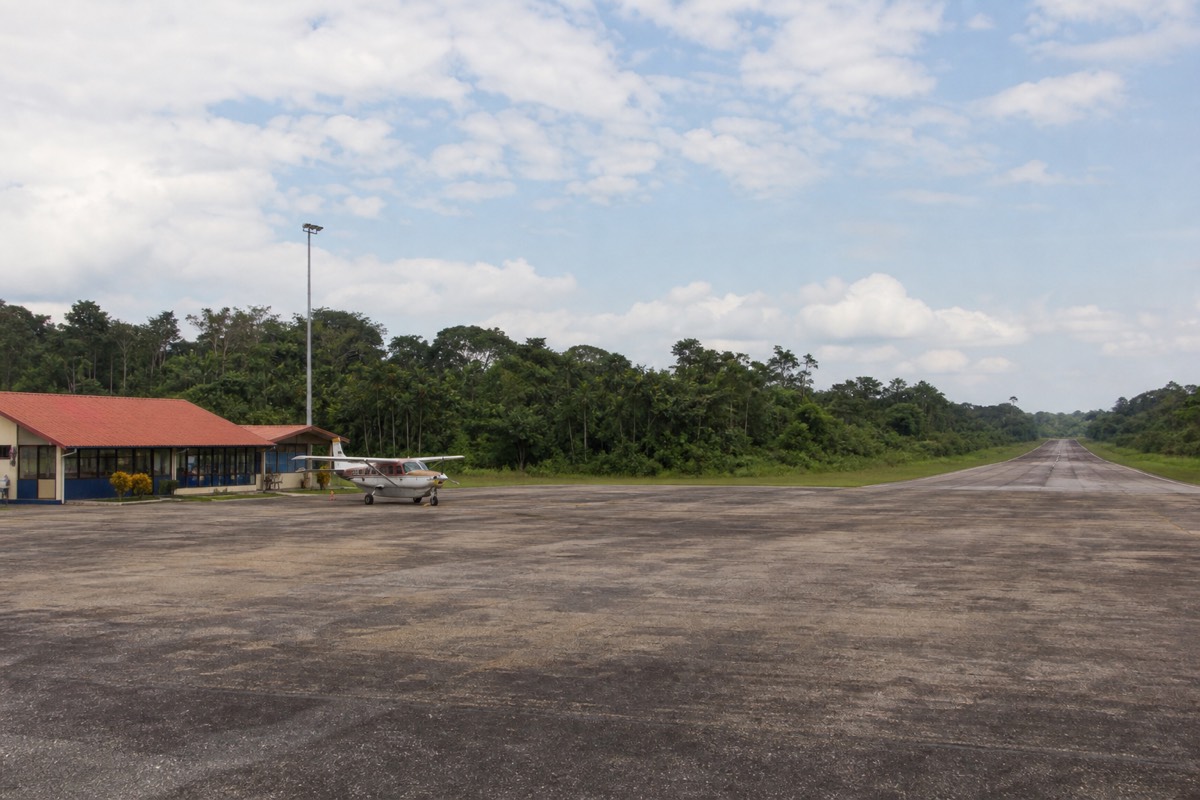
Most destinations sell what they have built. Iquitos sells what has never been built. It is the largest city in the world with no road connection to the outside, sitting where the Amazon, Nanay and Itaya rivers meet, reachable in about an hour and forty-five minutes from Lima by air.
That isolation is the reason the wildlife is still there. The vast Pacaya-Samiria National Reserve, Peru's largest protected area, sits to the south and west and is reached by boat rather than by bus.
What do you actually get for the effort?
On a well-run tour of three days or more, you get near-certain sightings of monkeys, macaws, toucans, caimans and pink river dolphins, high odds on sloths and giant river otters, and a small but genuine chance at the rare species. You also get the parts that do not show up in a highlights list: the dawn chorus, night sounds, and a canoe moving through flooded forest with the motor off.
| What you are likely to see | Realistic odds on a good 3-day-plus tour |
|---|---|
| Monkeys (squirrel, capuchin, howler, tamarin) | 90 to 100 percent |
| Macaws, toucans, parrots and river birds | 90 to 100 percent |
| Pink river dolphins | 80 to 95 percent in peak season, 60 to 85 percent in the wet months |
| Caimans on a night search | 90 to 100 percent |
| Sloths, capybaras, river turtles | 60 to 90 percent |
| Jaguars, tapirs, harpy eagles | Not independently measured |
Those numbers are the honest case for the trip. They are also the reason the day-trip version disappoints people. A single day gives you a boat ride and a short walk, which is pleasant and not much more. The rhythm that makes the Amazon memorable happens at the edges of the day, before breakfast and after dark, and you have to sleep there to get it. The site's guide to the wildlife you'll actually see goes species by species if you want the full picture before committing.
Who should not bother with Iquitos?
Skip it if you want a light day trip with minimal commitment, if heat and humidity make you miserable, if insects are a genuine deal-breaker, or if your budget and calendar are both tight. These are not minor caveats. People who ignore them are the ones who come back saying the Amazon was overrated.
The climate is equatorial and constant: hot and humid all year, roughly 28 to 35 degrees in the day, 22 to 26 at night, with mosquitoes and sandflies peaking at dawn and dusk. Repellent with 30 to 50 percent DEET and long sleeves are standard kit, not a precaution for the nervous. If that sounds like an ordeal rather than a detail, believe yourself.
The cost and time barrier is real too. You are adding a flight from Lima at roughly 80 to 250 dollars one way, plus a tour, plus at least three days. The cheapest way in, a cargo boat from Pucallpa or Yurimaguas at 30 to 300 dollars, takes three to seven days on a hammock deck and is not a sensible option for a first visit. If a Peru trip is already tight around Machu Picchu and Cusco, forcing Iquitos in usually produces a rushed version of both.
And if you mainly want a jungle stamp with the shortest possible detour, Puerto Maldonado in the south is closer to the Cusco circuit and easier to bolt on. The comparison between Iquitos vs Puerto Maldonado is a genuine fork in the road rather than a marketing rivalry, and geography decides it more often than quality does.
What does it realistically cost in time and money?
Budget a return flight from Lima, a tour of at least three days, and a night in the city on either end. The most popular format, a 3-day lodge tour, runs between roughly 420 and 539 dollars on this site, and that price includes lodge accommodation, meals, guides and boat transfers.
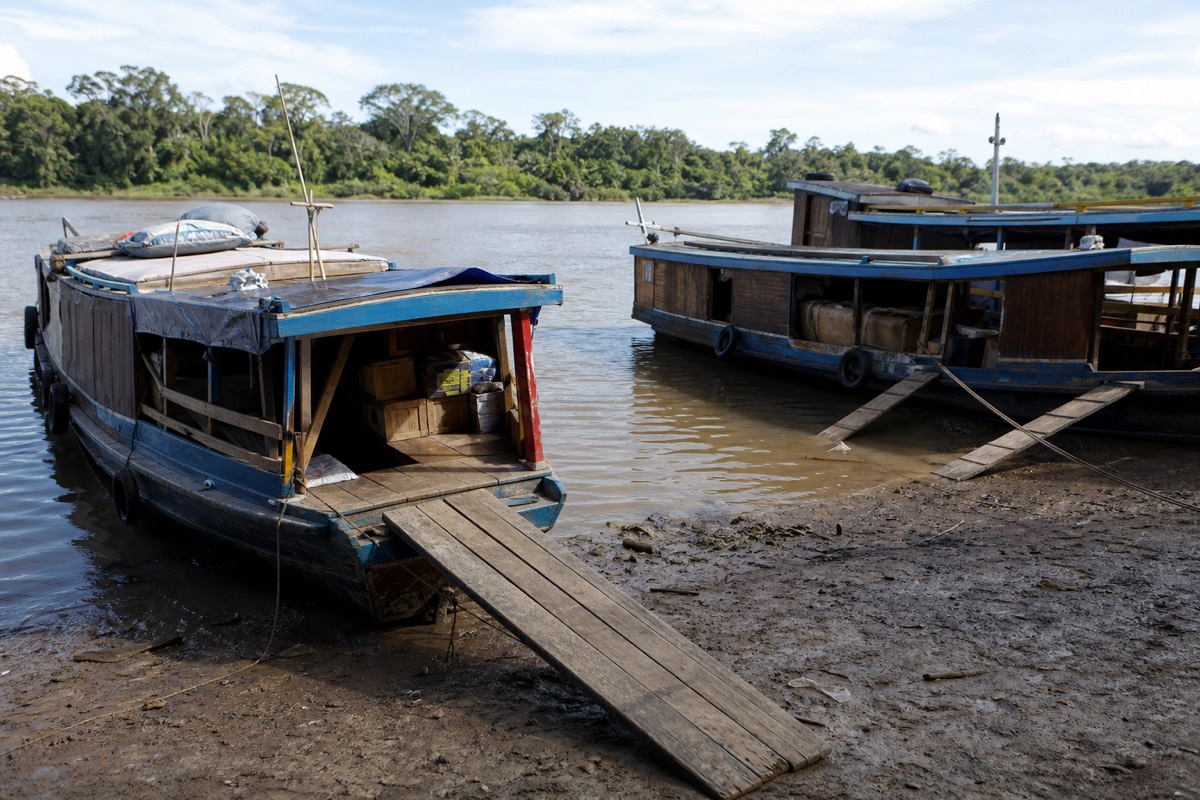
| Element | Typical allowance | Note |
|---|---|---|
| Flight, Lima to Iquitos | 80 to 250 dollars one way | Around 1 hour 45 minutes; book early for June to October |
| River boat alternative | 30 to 300 dollars | 3 to 7 days from Pucallpa or Yurimaguas, hammock deck to basic cabin |
| Day trip from the city | 121 dollars for the Iquitos Amazon day tour, 4.8 stars, 303 or more booked | 8 hours, a taster rather than an immersion |
| 3-day lodge tour | 420 to 539 dollars | The most popular format and the one producing the strongest reviews |
| 4 to 5 days | 360 to 545 dollars depending on lodge | Where rarer species and a weather buffer come into play |
| Time on the ground | 4 to 6 days total | Includes travel days at both ends |
Against a typical Peru itinerary, that is a meaningful chunk. Against what it buys, most visitors think it is fair. If you want the cost broken down properly, the site covers how much an Iquitos Amazon tour costs in detail, including what is and is not included at different lodge tiers.
What is the smallest version that is still worth doing?
Three days and two nights. That is the shortest trip that includes a night walk, a dawn excursion and a night caiman search by spotlight, which are the three things a day trip cannot give you. Below that, you are paying for a flight to look at the river.
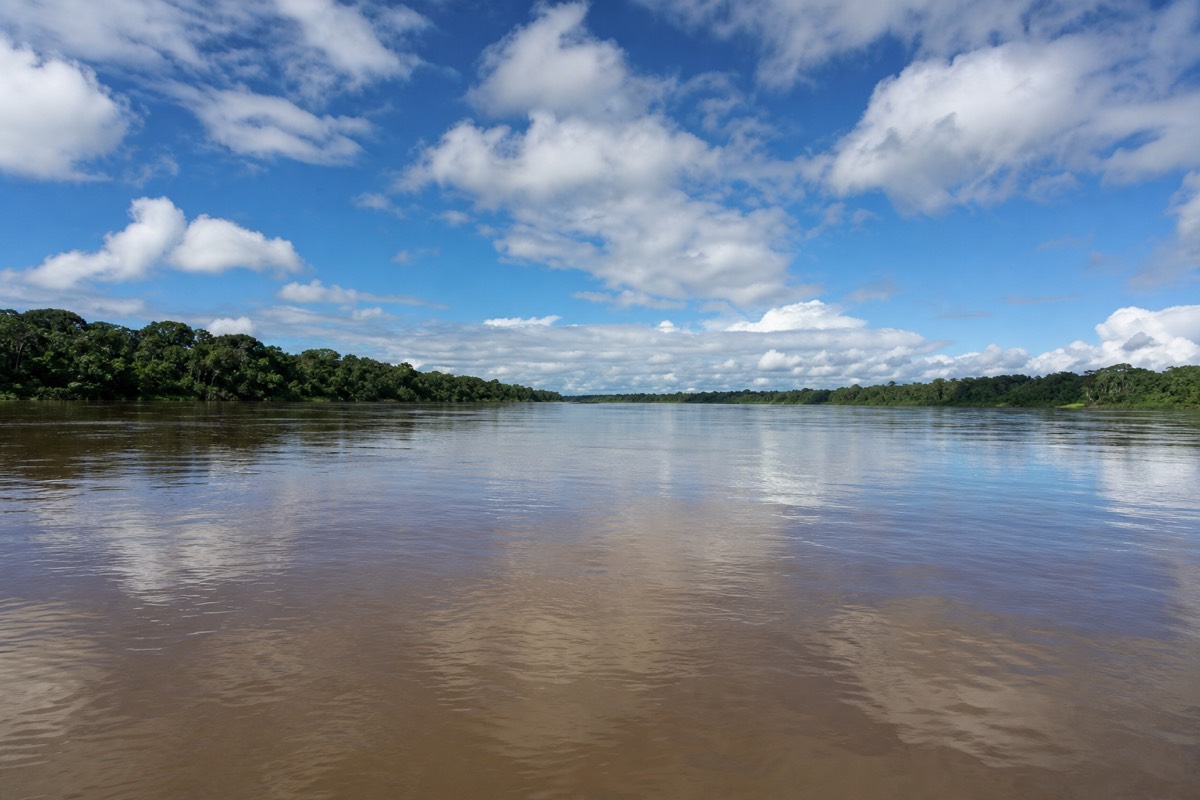
A 3-day tour typically runs morning birdwatching, an afternoon jungle walk, piranha fishing, a caiman search after dark and a visit to an indigenous community. The 3-day Maniti Eco-Lodge tour at 469 dollars is the most-booked option on this site, with a 4.5 star rating across 986 or more bookings, and the 4-day, 3-night rainforest tour at 375 dollars adds a full extra day in the field for less money than most people expect. Five and seven day trips exist for visitors who want genuine depth rather than a sample, and the question of how many days you need in the Iquitos Amazon has a longer answer than it first appears.
A spare afternoon in the city is best spent on the water and at Belén Market. Iquitos is a river port rather than a sightseeing town, and the honest list of things to do in Iquitos is shorter than the jungle list by design.
The verdict
Worth it, decisively, if you give it three days or more and accept the climate as part of the deal. Not worth it as a rushed add-on, and not worth it if the discomfort will outweigh the forest.
The reason so many visitors rate their trip highly is not that Iquitos is easy. It is that the effort filters the place. Almost nobody ends up two hours upriver by accident, which is precisely why the forest still sounds the way it does at five in the morning. If that appeals, the range of Iquitos Amazon tours running from the city covers everything from a single day on the water to a full week in the trees, and picking the right season matters, so check the best time to visit the Iquitos Amazon before you book flights.
You can line every itinerary up side by side on our Iquitos Amazon Tours before deciding which one fits your dates.