Is Swimming with Pink Dolphins Ethical?
Pink river dolphins around Iquitos live wild in the rivers, and they often come to boats on their own. That freedom is exactly what makes the ethics of getting in the water with them worth thinking through before you book anything.
For a paid experience alongside this guide, explore the Yanayacu-Pucate by boat, with forest walks, birdwatching and night excursions. Camp accommodation, meals and reserve entry included. Explore Pacaya-Samiria: 4 days / 3 nights
Pricing note: figures in the original guide are illustrative historical examples, not current quotes. No independent wildlife sighting percentages or safety/welfare certification are verified. Use the dated provider options below to compare current details.
The pink river dolphins around Iquitos are not in a tank. They live in the Amazon, Nanay, Yarapa and Marañón rivers year-round, moving with the water and the fish, and the reason sightings here are so reliable is simply that this stretch of the Peruvian Amazon holds one of the highest densities of the species in the whole basin. That one fact shapes the entire ethical question.
Swimming near them is possible. Whether it is defensible depends almost completely on who is driving the boat, and on what that person does the moment a dolphin comes close.
Short answer: watching or swimming near wild pink river dolphins that choose to approach you is generally defensible. Chasing them, touching them, feeding them, or hemming them into a shallow bay is not. The animal's freedom to leave at any second is the line between a wildlife encounter and a performance, and any operator who guarantees contact has already crossed it.
Booking choice: Pacaya-Samiria: 4 days / 3 nights. Explore the Yanayacu-Pucate by boat, with forest walks, birdwatching and night excursions. Camp accommodation, meals and reserve entry included.
Discover Pacaya-Samiria: 4 days / 3 nightsAre the pink dolphins near Iquitos wild or captive?
Every pink river dolphin you meet near Iquitos is wild and free-ranging. There are no captive dolphin pools in the Iquitos tour circuit, no enclosures, no trained animals and no feeding platforms built into the standard itineraries. The dolphins are resident in these rivers all year, naturally curious, and they frequently approach boats on their own terms.
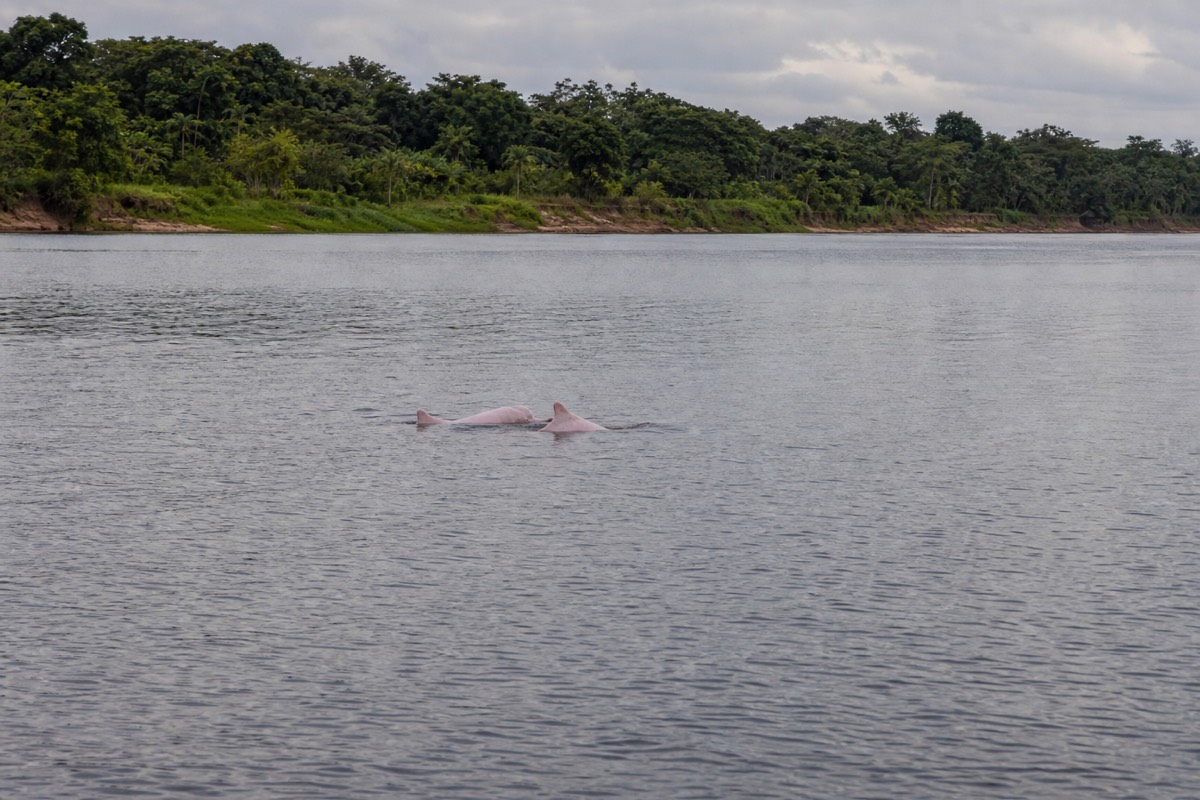
That is a meaningful difference from marine dolphin tourism in other parts of the world, where swim programmes are often built around animals held in sea pens or lagoons. Here, the encounter happens in a working river system. Botos surface beside transfer boats, follow fishing canoes, and appear near lodge docks without anybody arranging it.
The Amazon river dolphin is also a species under real pressure. Conservation groups including the World Wildlife Fund track it as endangered, with entanglement in fishing gear, river traffic and habitat change among the pressures on the population. Tourism is a small factor next to those, but it is the one factor a visitor personally controls.
Is it ethical to swim with wild pink river dolphins?
It can be, under narrow conditions: the dolphin approaches you, nobody feeds or touches it, the group in the water is small, the engine is off, and everybody gets out when the animal moves on. It stops being ethical the moment a human decision replaces the dolphin's, which is exactly what baiting and chasing do.
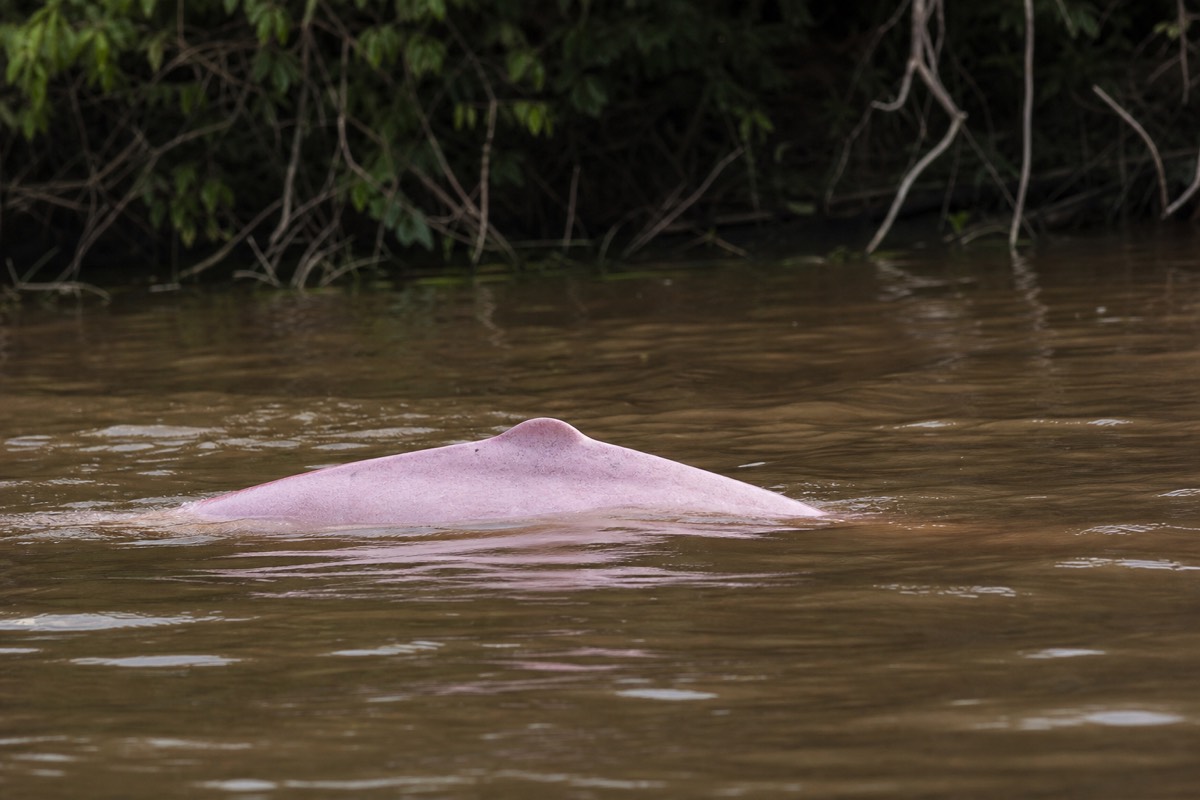
Think of it as a spectrum rather than a yes or no. At one end, a swimmer floats quietly in a channel while a boto circles at its own distance and then leaves. At the other, a boat revs after a pod, drops fish to hold it in place, and puts twelve people in at once. Both get sold as "swimming with pink dolphins".
| What you see on the boat | What it signals | Read |
|---|---|---|
| Engine cut, boat drifts, dolphins approach | Animal chooses the encounter | Green |
| Guide briefs a no-touch rule before anyone enters | Policy exists before the excitement starts | Green |
| Small group, staggered entries, short time in water | Pressure on the animal kept low | Green |
| Fish or chum dropped to attract dolphins | Feeding wild animals, habituation risk | Red |
| Boat pursues a moving pod at speed | Chasing, separates mothers and calves | Red |
| Contact or a photo with the animal is guaranteed | Staged encounter, not wildlife viewing | Red |
What actually harms a river dolphin during a tourist encounter?
Four things do most of the damage: feeding, which rewires natural foraging and teaches dolphins to crowd boats; touching, which risks disease transfer in both directions and adds stress; chasing, which can split pods and separate calves; and habituation, which pushes wild animals toward propellers and fishing nets they would otherwise avoid.
Feeding is the one that looks most harmless and does the most long-term harm. In some parts of the Amazon basin, boats bait botos with fish so visitors can touch them or pose beside them. The dolphins learn fast. Once a wild animal associates engine noise with food, it starts approaching every boat, including the ones with nets and spinning props.
Touching carries a quieter risk. Cetaceans and humans can pass pathogens both ways, and a wild animal that tolerates being handled is usually a stressed animal rather than a friendly one. The photograph is not worth what it costs the dolphin.
What does a responsible operator do differently on the water?
They keep the boat still and let the dolphins set the distance, they refuse to bait or touch, they cap how many people go in and for how long, and they end the encounter when the animals move off rather than following. Good guides also explain the rules before anyone is excited enough to break them.
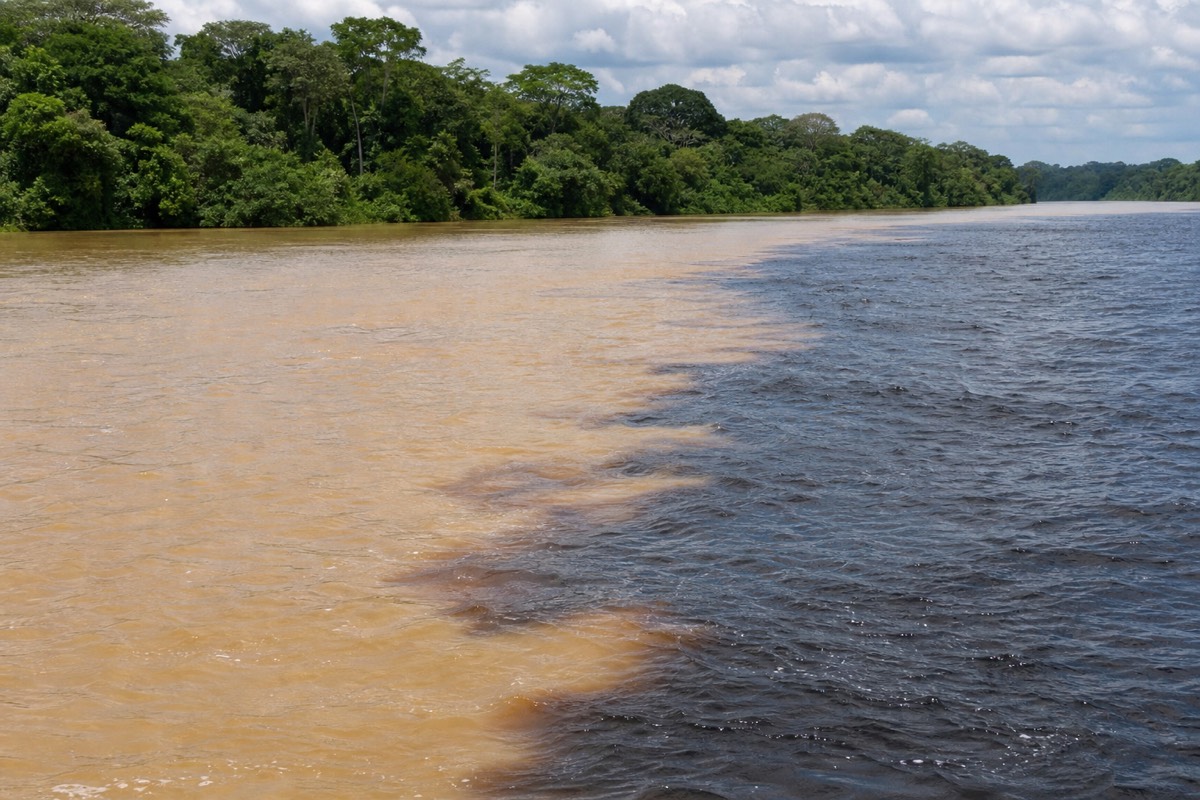
Watch how a guide handles the first sighting of the day. If the reaction to a distant surfacing is to gun the motor toward it, that tells you what the rest of the trip will look like. A naturalist guide who knows the river will instead cut power, wait, and read the direction the pod is feeding, which usually produces closer and longer views anyway.
Small groups matter more than any written policy. Six people on a boat can stay quiet. Twenty cannot. This is one of the practical reasons small-group trips are worth the extra money, and it feeds directly into how you choose an ethical Amazon tour operator across the whole itinerary, not just the dolphin part.
When are you most likely to meet a dolphin without pushing for it?
No independently measured sighting rate is verified for this guide; encounters depend on the route, conditions and wild animals.
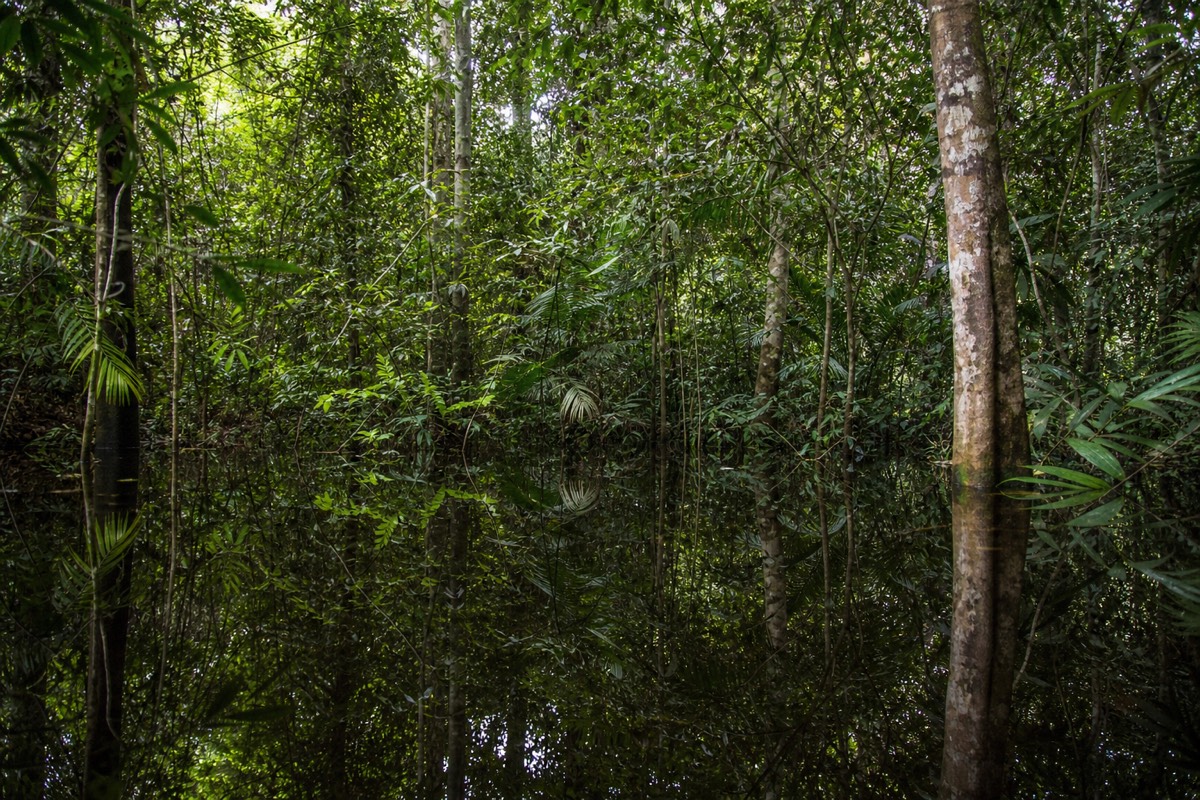
| Season | River level | Typical dolphin sighting odds | What encounters usually look like |
|---|---|---|---|
| May to October (peak July to September) | Low water | Not independently measured | Pods concentrated in main channels and lagoons, repeat sightings from the boat |
| November to April | High water | Not independently measured | Dolphins dispersed through flooded forest, sightings shorter and more scattered |
Early morning and late afternoon beat midday in either season, since that is when the animals feed and the water is calmest. If dolphins are your main reason for coming, read up on the best time to visit the Iquitos Amazon before fixing dates, because the same water cycle governs jungle trails and wildlife you'll actually see on land.
Which Iquitos trips give you dolphin time without a staged swim?
Almost all of them, because dolphin sightings here happen from the boat rather than in a dedicated swim product. Any river-based day trip or multi-day lodge stay puts you on the water at the right hours, and the longer the trip, the more separate chances you get across different rivers and lakes.
The Monkey Island, Amazon River and Native Aquatic Species tour is a 7-hour river day at $150, rated 5 stars across 682 or more bookings, and it spends its time on exactly the water where botos surface. For several mornings of chances instead of one, the 3-day Maniti Eco-Lodge trip at $469 is the most-booked option on this site, with 986 or more bookings at 4.5 stars.
None of these is sold as a dolphin swim, and that is the honest position. This site does not list a guaranteed swim-with-dolphins product, because a guarantee is not something a wild animal can give. What jungle tours from Iquitos reliably offer is river time in dolphin habitat with a guide who knows where the pods feed.
How should you vet an operator before you book?
Ask three direct questions: do you ever feed or bait dolphins, do you promise physical contact, and how many people go in the water at once. Honest answers are no, no, and a small number. Vague answers or an enthusiastic yes to contact tell you to book something else.
Reviews help here more than marketing copy. Photographs posted by past travellers show what actually happens on the boat, including whether people are holding animals. A listing with hundreds of public reviews leaves far less room to run a staged encounter quietly.
The same vetting logic covers sloth photo ops, community visits and captive-animal stops. Get the operator right, and the dolphin question mostly answers itself.
The trips referenced on this page all come from our lineup of Iquitos Amazon Tours, which spans day tours through multi-day expeditions.