What Is Iquitos, Peru Known For?
One fact does most of the work: Iquitos is the largest city in the world with no road connecting it to anywhere. Everything else it is known for, the river life, the market on stilts, the dolphins, the jungle lodges, follows from that.
For a paid experience alongside this guide, private guided market visit, floating-city exploration and river-confluence trip in one outing. Explore Belén and Amazon confluence: 4 hours
Pricing note: figures in the original guide are illustrative historical examples, not current quotes. No independent wildlife sighting percentages or safety/welfare certification are verified. Use the dated provider options below to compare current details.
Look at Iquitos on a map and the strangeness is immediate. A city of several hundred thousand people, an international airport, a cathedral, a riverfront promenade, and not one road leading out of it in any direction. You arrive by plane or by boat. There is no third option and there never has been.
That is the fact almost every article about the city opens with, and for once the cliche is earned, because it explains the rest of the list.
Iquitos is best known for five things: being the largest city in the world with no road access, serving as the main gateway to the Peruvian Amazon and the Pacaya-Samiria National Reserve, the sprawling Belén Market and the floating houses beside it, pink river dolphins in the rivers around the city, and a jungle-port character shaped by the rubber boom and by the fact that everything here arrives on water.
Booking choice: Belén and Amazon confluence: 4 hours. Private guided market visit, floating-city exploration and river-confluence trip in one outing.
Discover Belén and Amazon confluence: 4 hoursWhy is Iquitos known for having no road access?
Because it is genuinely the largest city on earth in that position. Iquitos sits in Peru's northern Amazon basin at the confluence of the Amazon, Nanay and Itaya rivers, around 100 metres above sea level, with no road connection to the outside world. The airport is the only practical way in, and the flight from Lima takes roughly 1 hour 45 minutes.
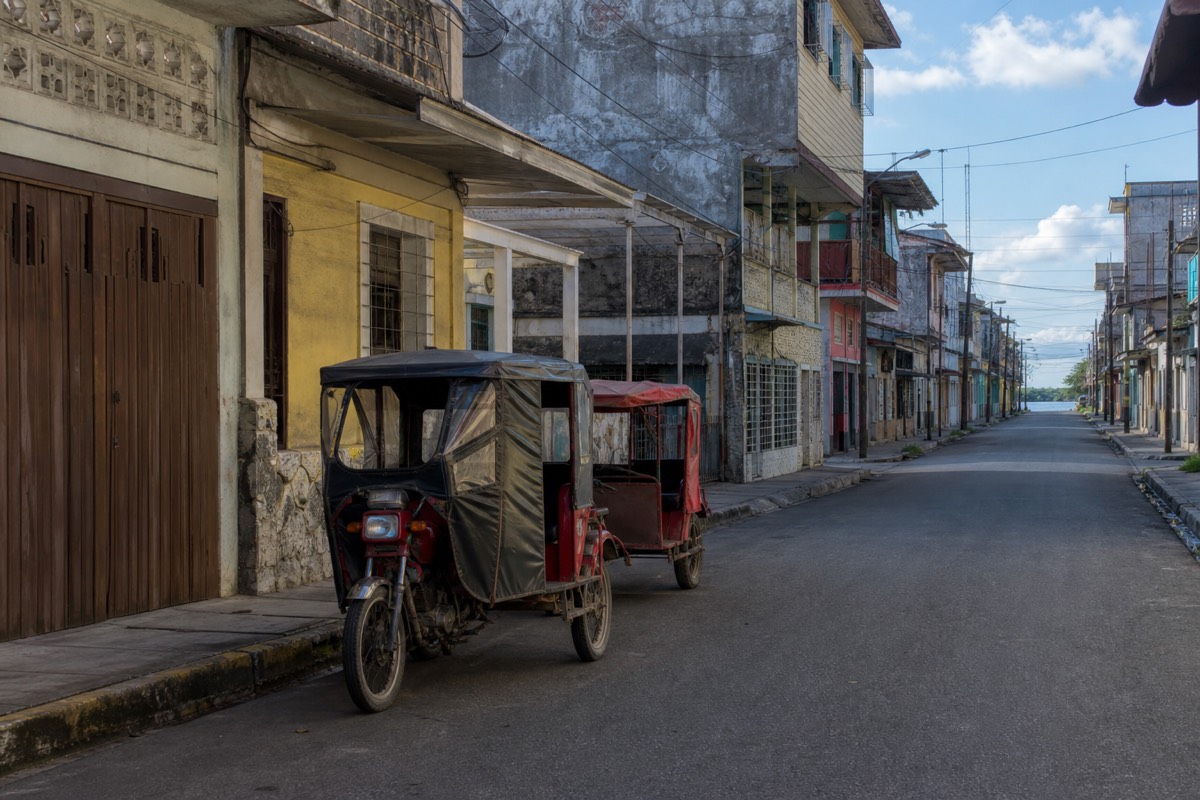
The consequences run through everything. Fuel, cement and bananas all arrive by barge or by air, which shapes prices. Local transport runs on motorcarts rather than cars, because a fleet of vehicles is expensive to bring in and impractical on the city's short streets. The port districts work at all hours because the river schedule sets the rhythm.
It also shapes the tourism. There is no coach circuit here, no drive-in day-trippers from a bigger city an hour away. Anyone who reaches the forest around Iquitos has made a decision to be there, which is part of why the wildlife has held up as well as it has. Practical details on flights, boats and costs are covered in the site's guide on how to get to Iquitos.
What makes Iquitos the gateway to the Peruvian Amazon?
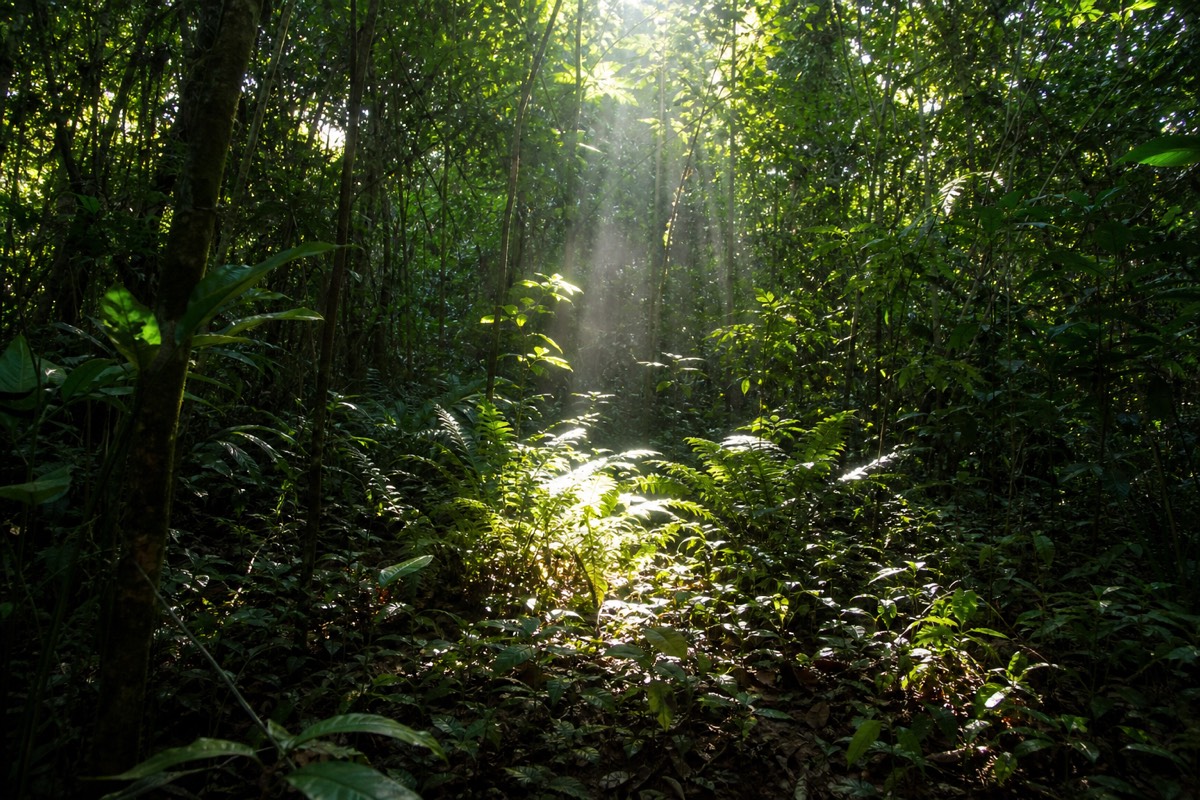
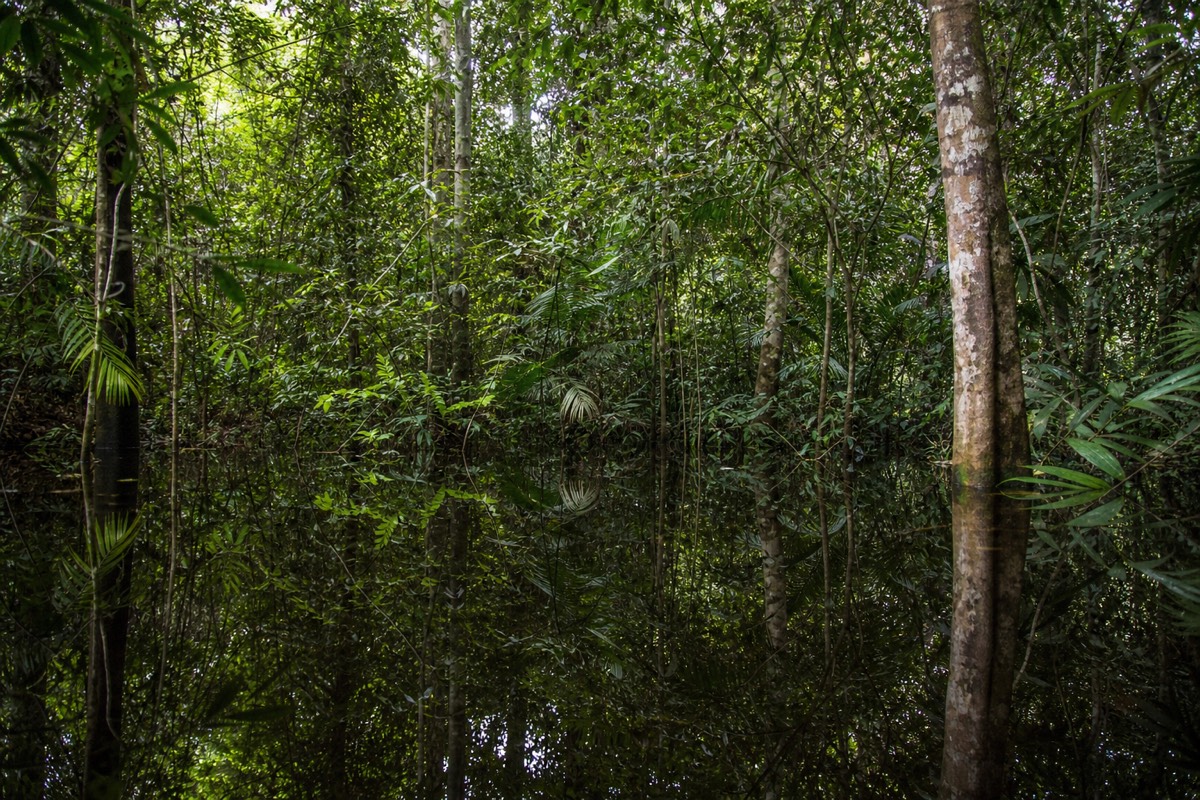
Position and scale. Iquitos sits at the top of the navigable Amazon in Peru, with the vast Pacaya-Samiria National Reserve, the country's largest protected area, accessible by river to the south and west. The forest reached from here is a functioning ecosystem rather than a managed wildlife park, and encounter rates on reputable multi-day tours reflect that.
No independently measured sighting rate is verified for this guide; encounters depend on the route, conditions and wild animals.
Pacaya-Samiria is administered by SERNANP, Peru's protected areas authority, and reaching its core takes a serious river journey rather than a morning drive. The site's dedicated Pacaya-Samiria National Reserve guide covers access, permits and what the reserve actually offers compared with the closer river systems, and there is a separate breakdown of the wildlife you'll actually see if you want the honest species-by-species odds.
What is Belén Market, and why is it in every article about Iquitos?
Belén is the city's main market and one of the great markets of the Amazon, a dense sprawl of stalls selling river fish, jungle fruit, medicinal plants and everything else the region produces. Beside it sits the Belén neighbourhood, where houses are built to float or stand on stilts because the river rises several metres every year and reclaims the ground.
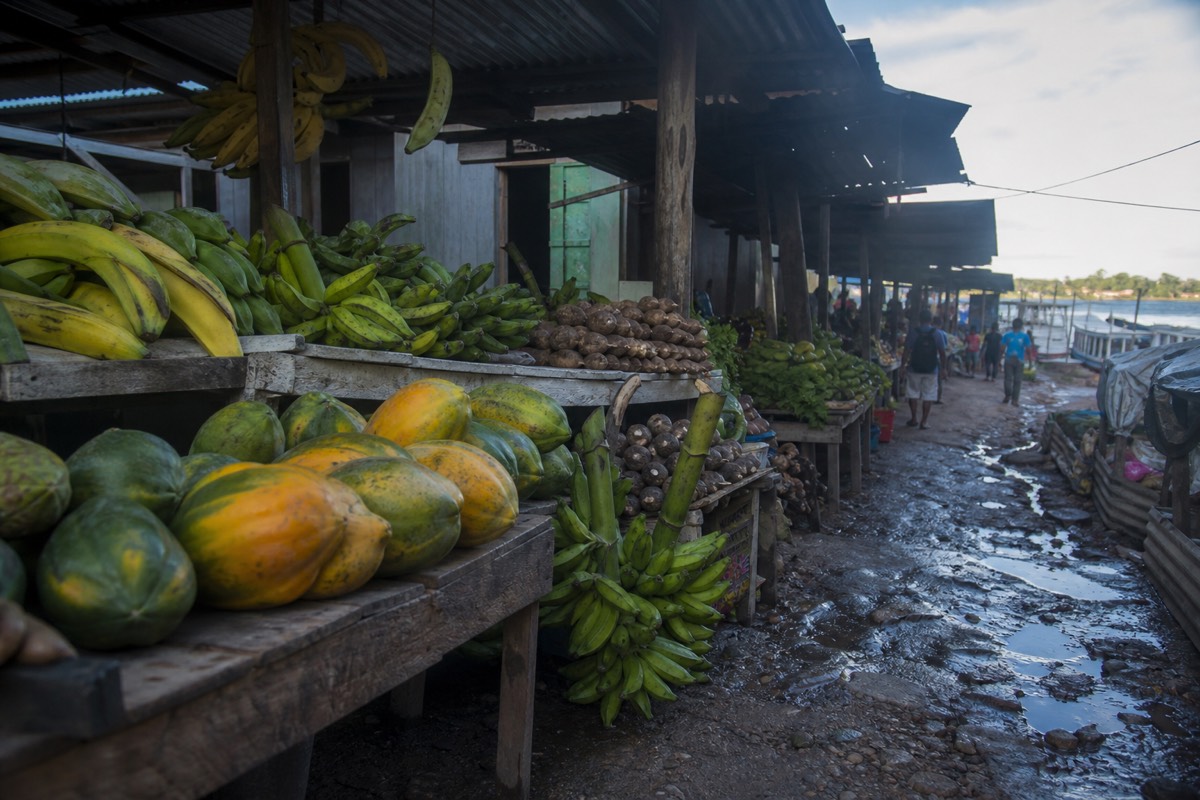
The market is where the Amazon stops being scenery and becomes an economy. Paiche and other river fish, camu camu, aguaje, chontacuro grubs, bark and root preparations from the plant-medicine stalls: it is a working supply chain for a region that cannot import cheaply.
The floating houses are the photograph everyone comes back with, and they are also somebody's neighbourhood, which is why guided visits are the right way to see them. The private Belén Market, floating houses and Amazon River tour runs four hours at 110 dollars and holds a 5 star rating across 478 or more bookings. The site's full Belén Market guide covers what to look for, when to go and how to behave there.
Are pink river dolphins really the signature animal?
Yes, and the reputation is deserved. The rivers around Iquitos hold one of the highest densities of pink river dolphins in the entire Amazon basin. No independently measured sighting rate is verified for this guide; encounters depend on the route, conditions and wild animals.
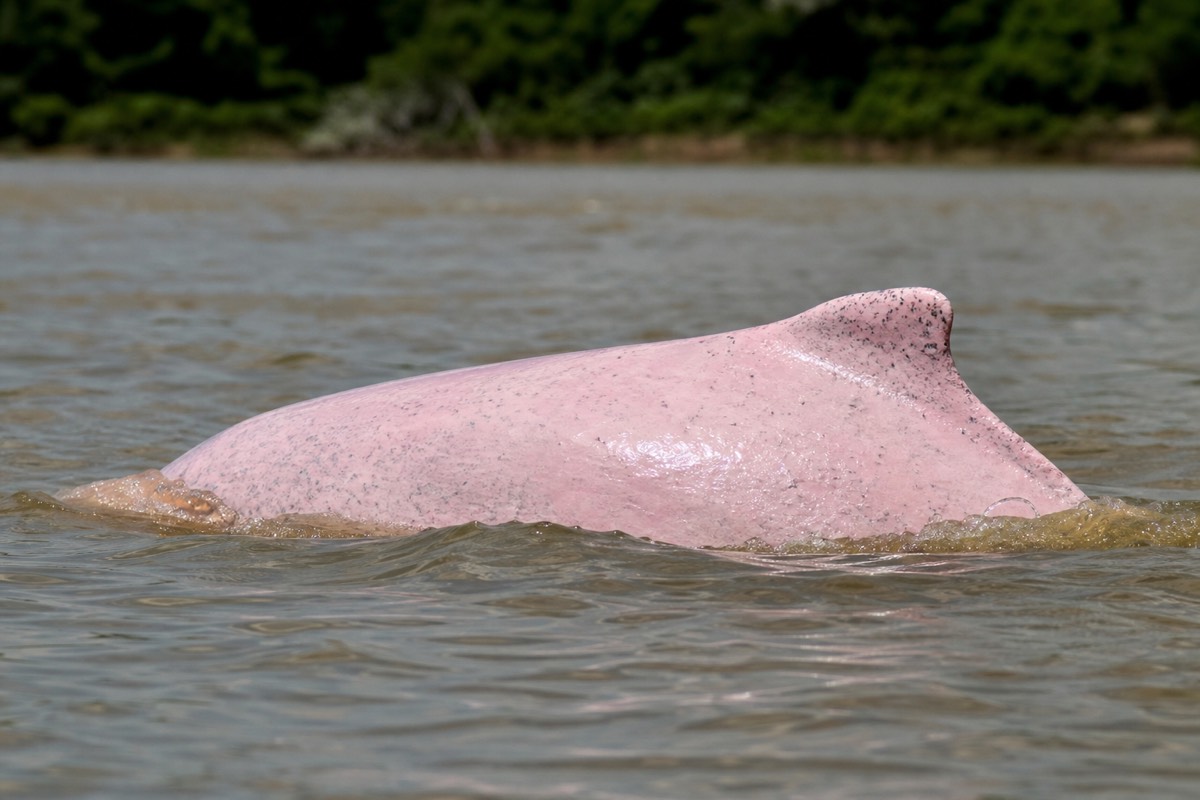
The reason is water. Low water concentrates dolphins into main channels and lagoons, so from July to September a good captain can find them repeatedly in a morning, sometimes five to fifteen or more in a single trip. High water spreads them out through flooded forest, and the odds drop without disappearing.
They are also the wildlife you are most likely to see without trying, because they show up during ordinary boat transfers rather than on dedicated excursions. The site has a full guide to pink river dolphins, including the sighting seasons and the awkward question of whether swimming with them is defensible.
What else is Iquitos known for?
A rubber boom that made the city briefly wealthy and left European facades on tropical streets, Amazonian food that exists almost nowhere else, motorcart traffic that defines the soundtrack, and a general reputation as one of the odder, more self-contained cities in South America.
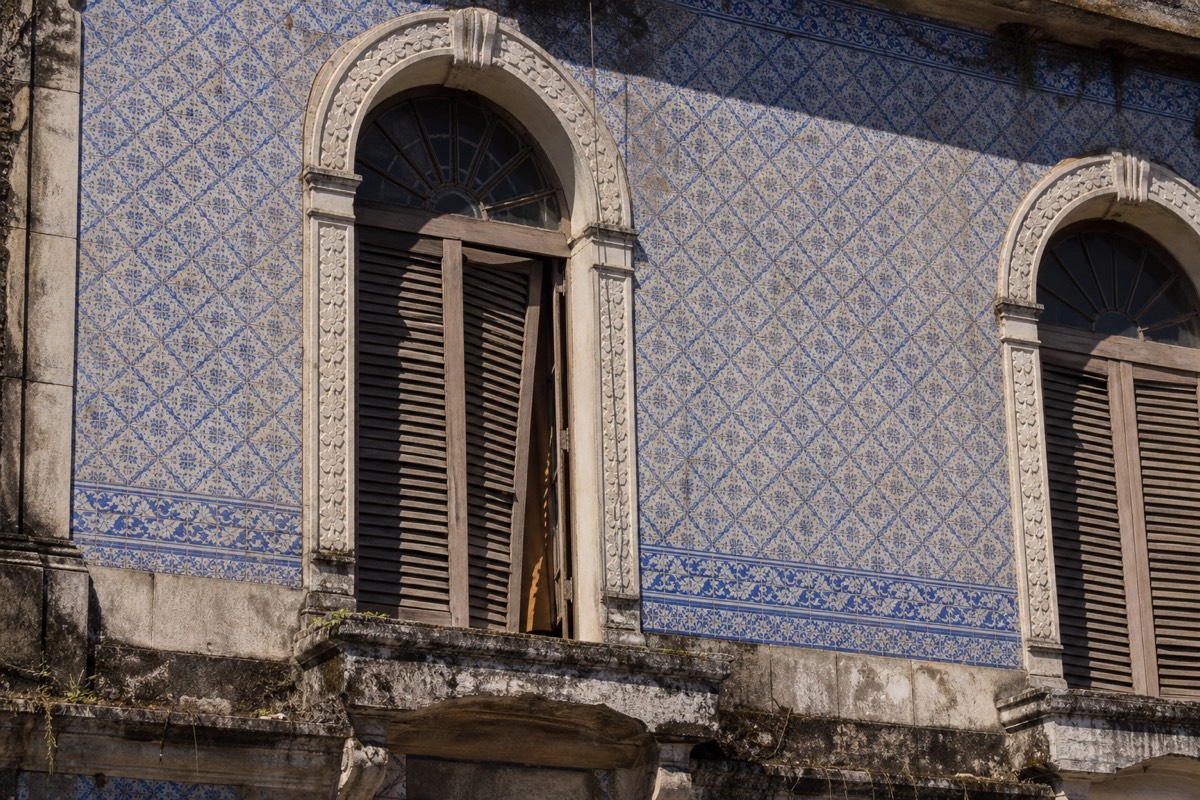
The rubber era is written into the architecture. Anyone reading about Iquitos's history runs into the same arc: enormous money, imported tiles and ironwork, then collapse when rubber seeds were taken elsewhere. What remains is a river port wearing the clothes of a much richer city.
The food is a serious reason to spend an evening here. River fish, plantain in a dozen forms, jungle fruit most visitors have never tasted, and dishes built around ingredients that do not travel. The Narowé foodie adventure with a local guide runs four hours at 97 dollars with a 4.7 star rating across 377 or more bookings, and it is the fastest way to understand the region through something other than a boat window.
| Known for | The one-line version | Where to go deeper |
|---|---|---|
| No road access | Largest city on earth reachable only by air or river | How to get to Iquitos |
| Amazon gateway | Launch point for lodge tours and the Pacaya-Samiria National Reserve | The Pacaya-Samiria guide |
| Belén Market and floating houses | The Amazon's economy in one crowded, flooding neighbourhood | The Belén Market guide |
| Pink river dolphins | Not independently measured | The pink river dolphins guide |
| Rubber boom architecture | Imported European facades left over from a short, strange fortune | Things to do in Iquitos |
| Amazonian food | River fish, jungle fruit and ingredients that do not export | The Narowé food tour |
What is Iquitos not known for?
Comfort, and conventional sightseeing. It is hot and humid every day of the year, insects are constant, and the city itself is a river port rather than a monument circuit. Visitors who arrive expecting a colonial tourist town usually find the city thinner than they hoped and the forest richer.
That is the correct expectation to hold. One or two days in the city is enough for the market, the malecon, a meal and the floating houses. The reason to fly here is what starts an hour upriver. The site's honest list of things to do in Iquitos separates the two, and if you are weighing whether the whole trip earns its place in a Peru itinerary, there is a direct answer at is it worth visiting Iquitos.
On the safety question that usually follows: the city is generally fine, with petty theft in crowded markets and ports as the realistic risk, and guided jungle tours are the most controlled part of any trip. The full picture is in the guide on whether Iquitos is safe. For everything else, the range of Iquitos Amazon tours running out of the city covers day trips through week-long lodge stays.
For current prices and departure dates, the operators behind our Iquitos Amazon Tours keep the live listings up to date.